
A platform built on authorship
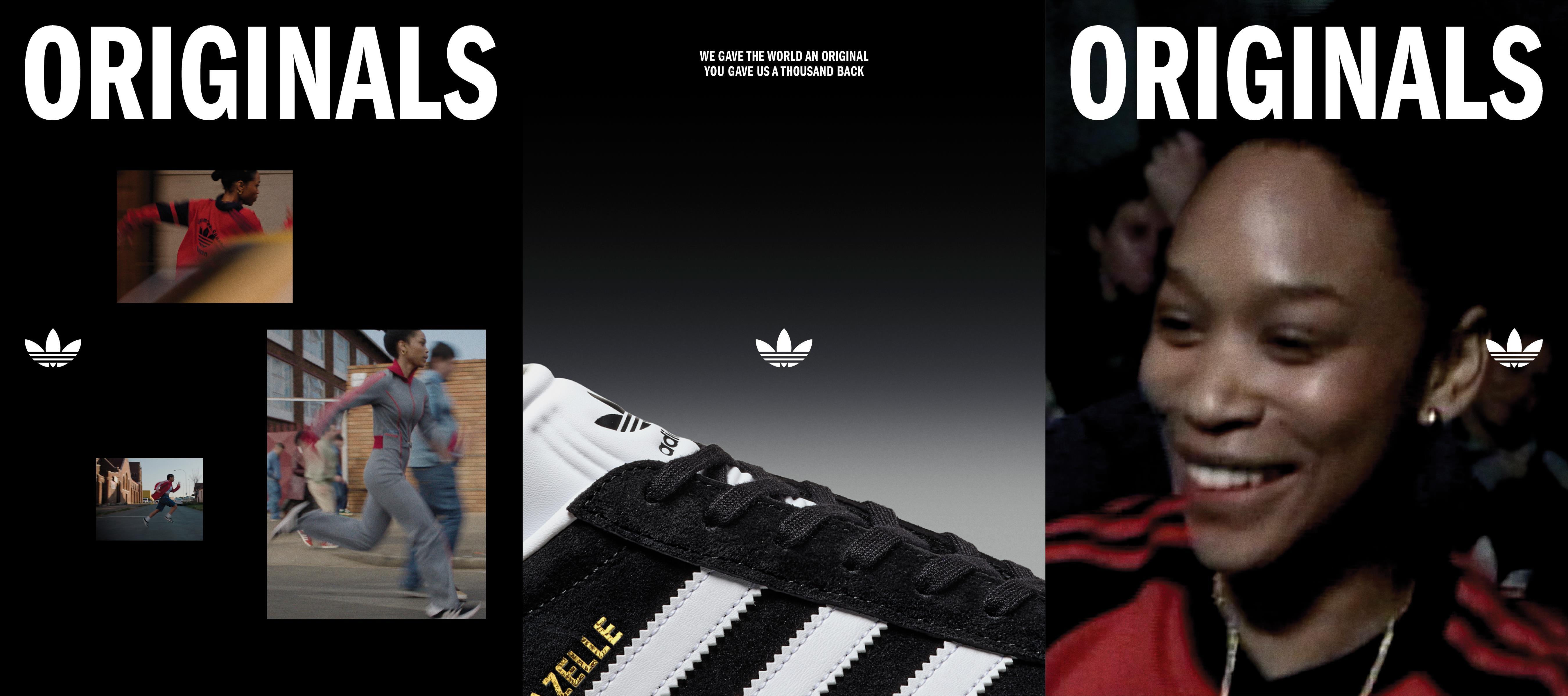
adidas Originals presents a global brand platform under the line "We Gave the World an Original. You Gave Us a Thousand Back."1, 2 The statement turns the division's heritage into its central argument. Rather than positioning the Trefoil line only as a source of classic silhouettes, the platform frames adidas as the author of designs that street culture, music and sport have since reinterpreted many times over.1 The brand supplies the original; communities supply the variations.
The move is a positioning exercise as much as a campaign. adidas Originals sits within adidas AG as the lifestyle counterpart to the performance business, and it carries the Trefoil rather than the three-bar Performance mark.3, 4 That separation, in place since 1997, lets the company address two audiences at once: athletes who buy for sport, and consumers who buy heritage products for everyday wear.5 The new platform sharpens the second proposition by making cultural influence, rather than technical innovation, the point of pride.
Heritage as a shared inheritance
The central idea is reciprocity. adidas casts itself as a contributor to a wider creative economy in which its archive shoes and apparel become raw material for others. By acknowledging the "thousand" responses that fans, designers and subcultures have produced, the brand reframes ownership as something it started rather than something it controls.1 This is a familiar strategy among heritage labels, which increasingly treat their back catalogue as a living asset instead of a museum. For adidas, the approach also answers a practical question: how a company defined by a small set of iconic products keeps them culturally current without diluting them.
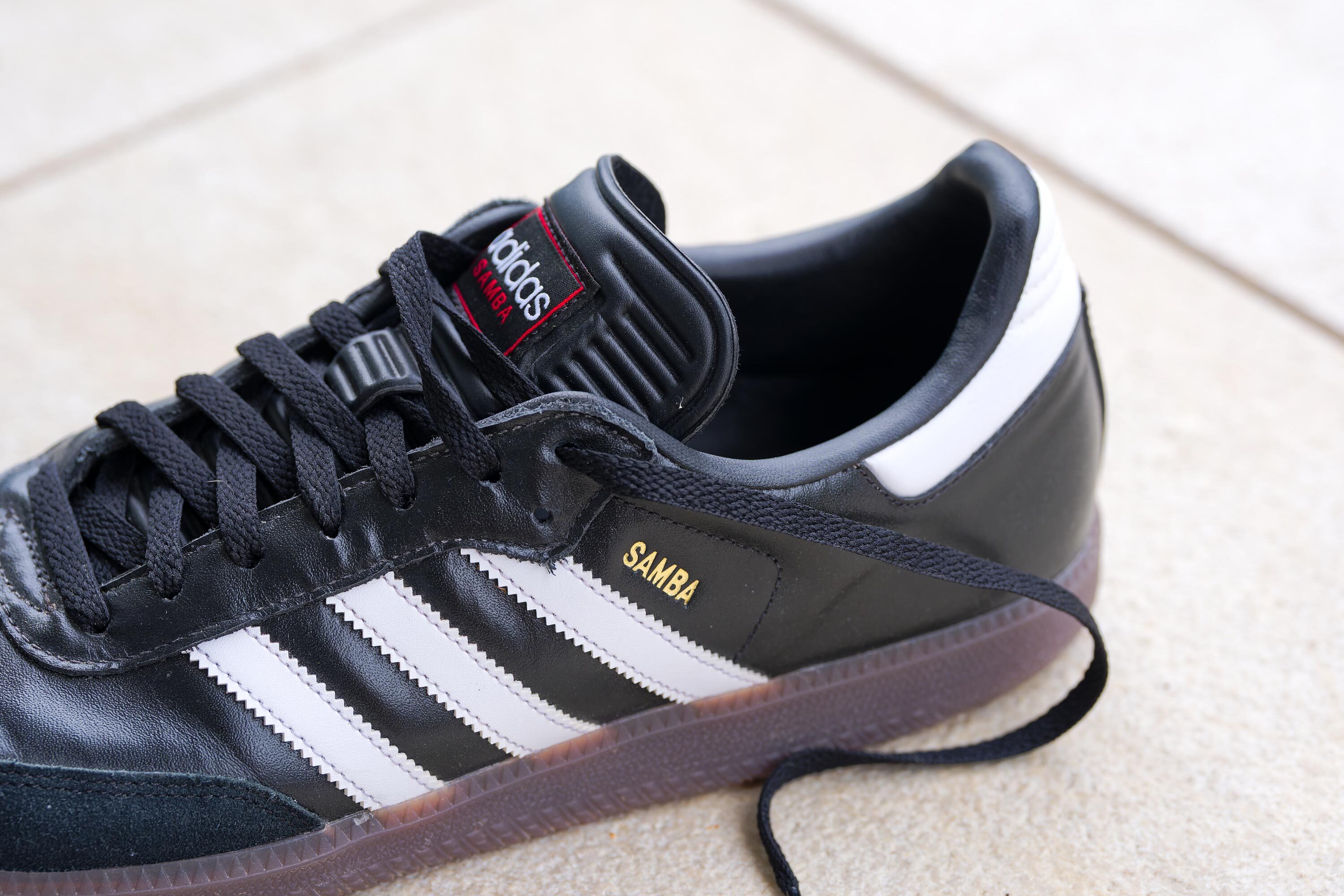
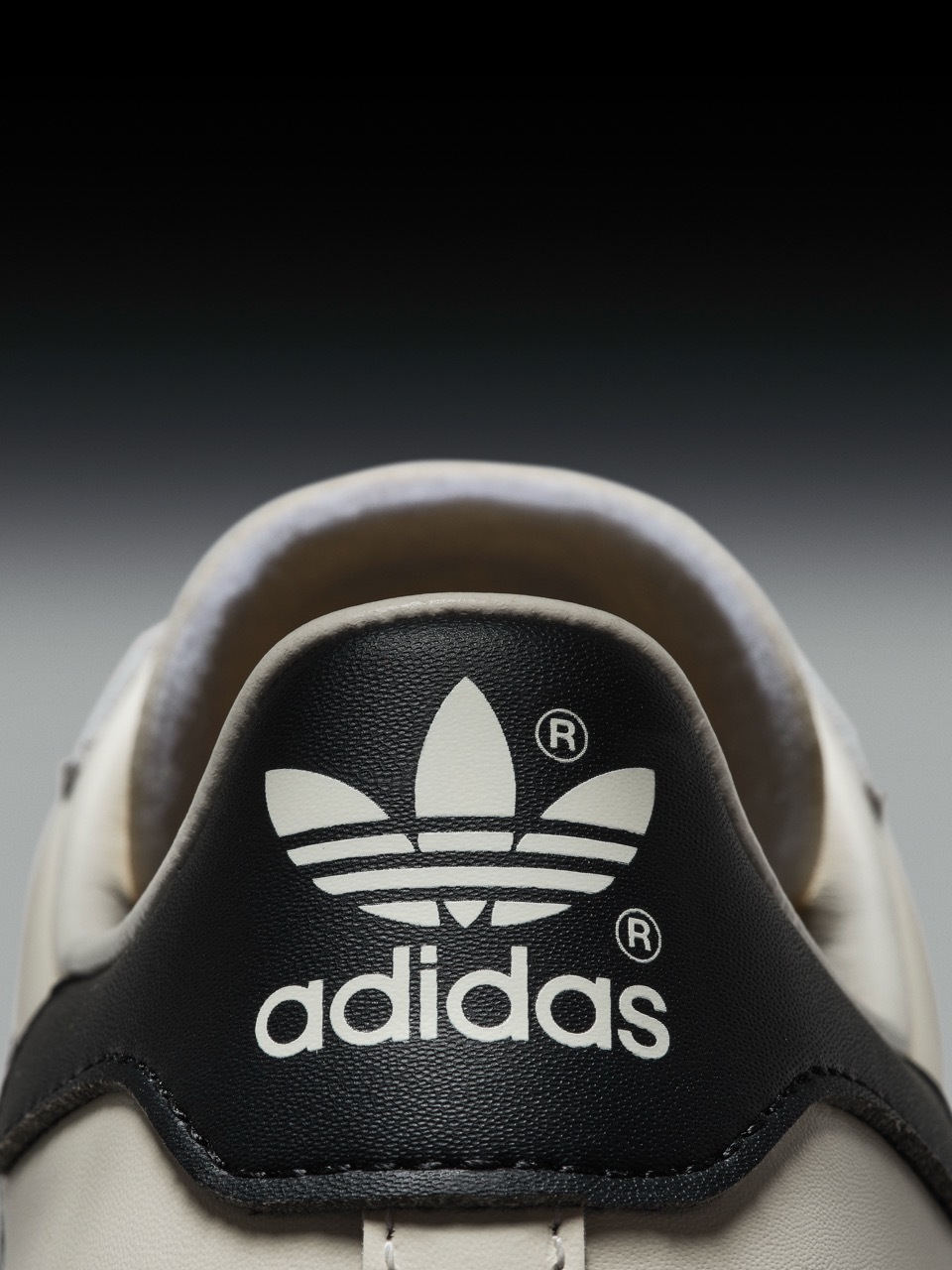
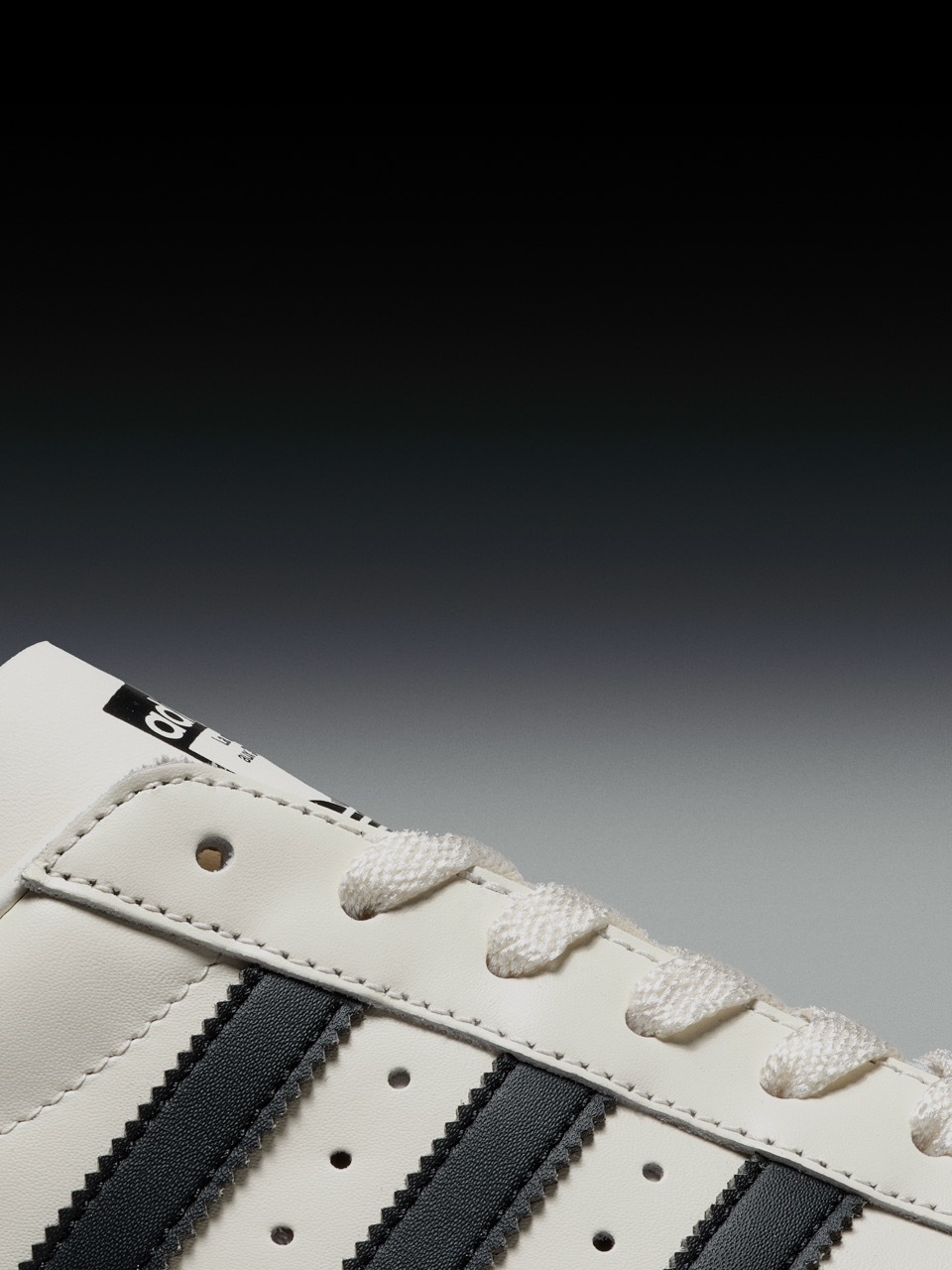
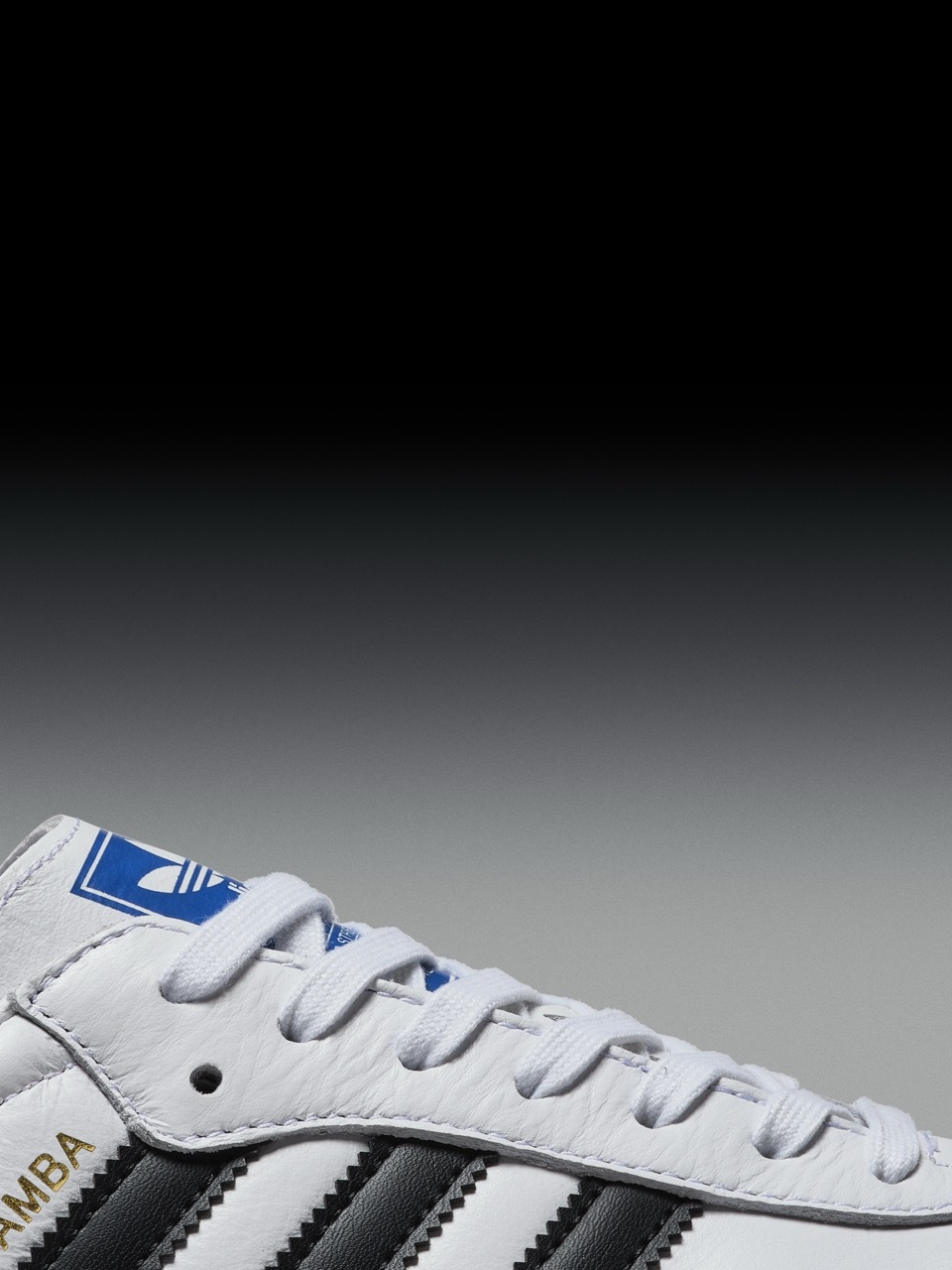
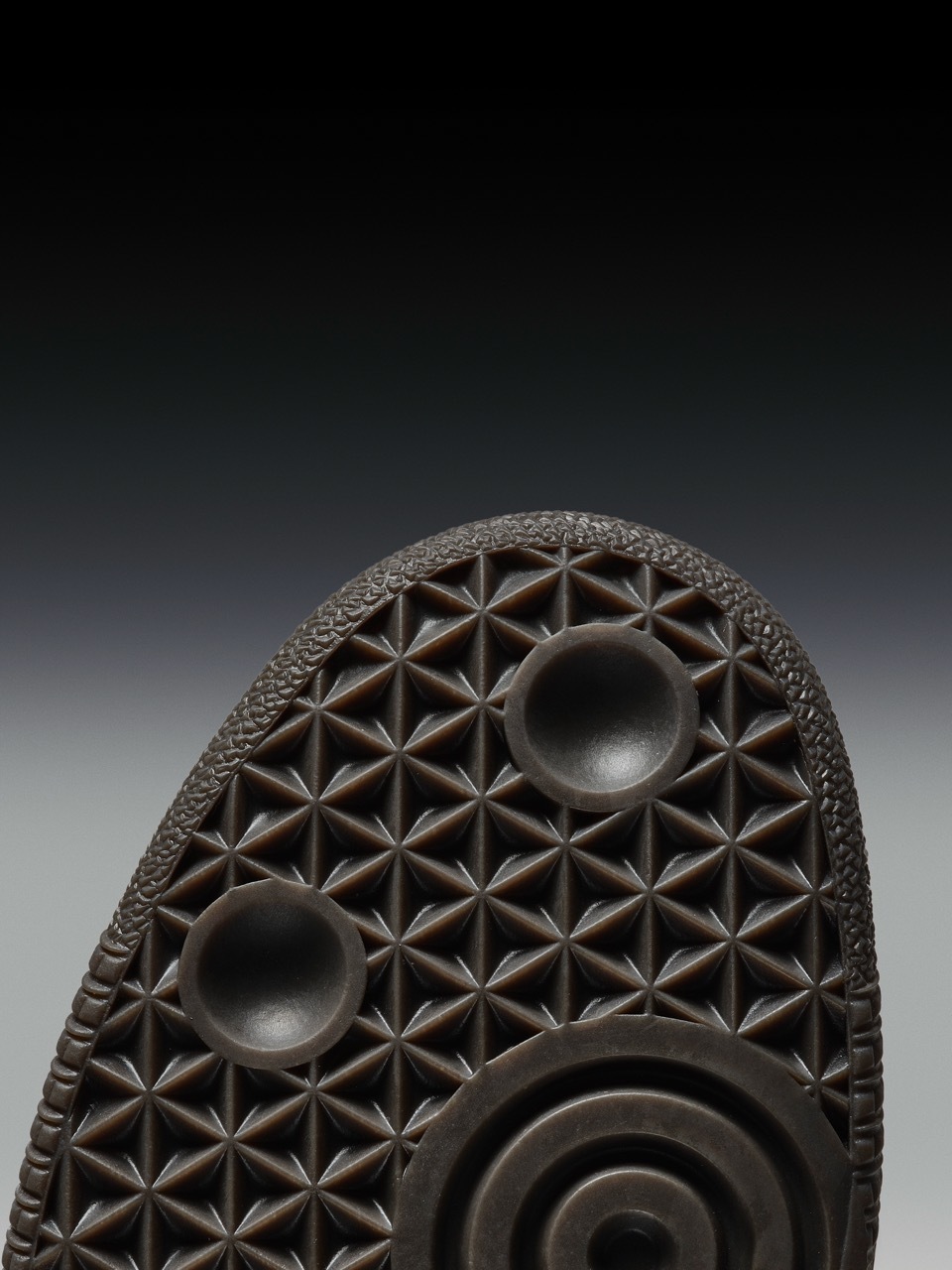
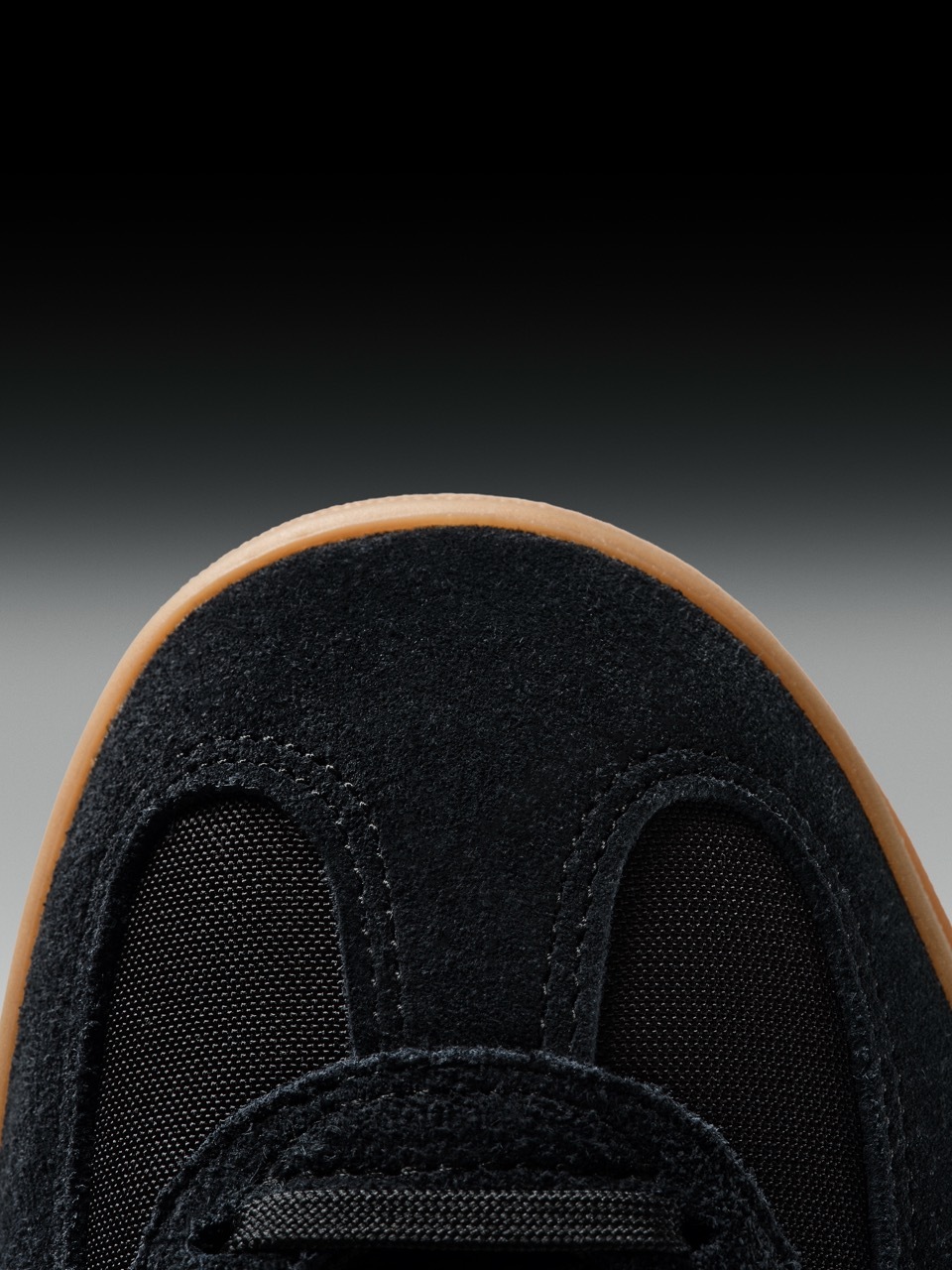
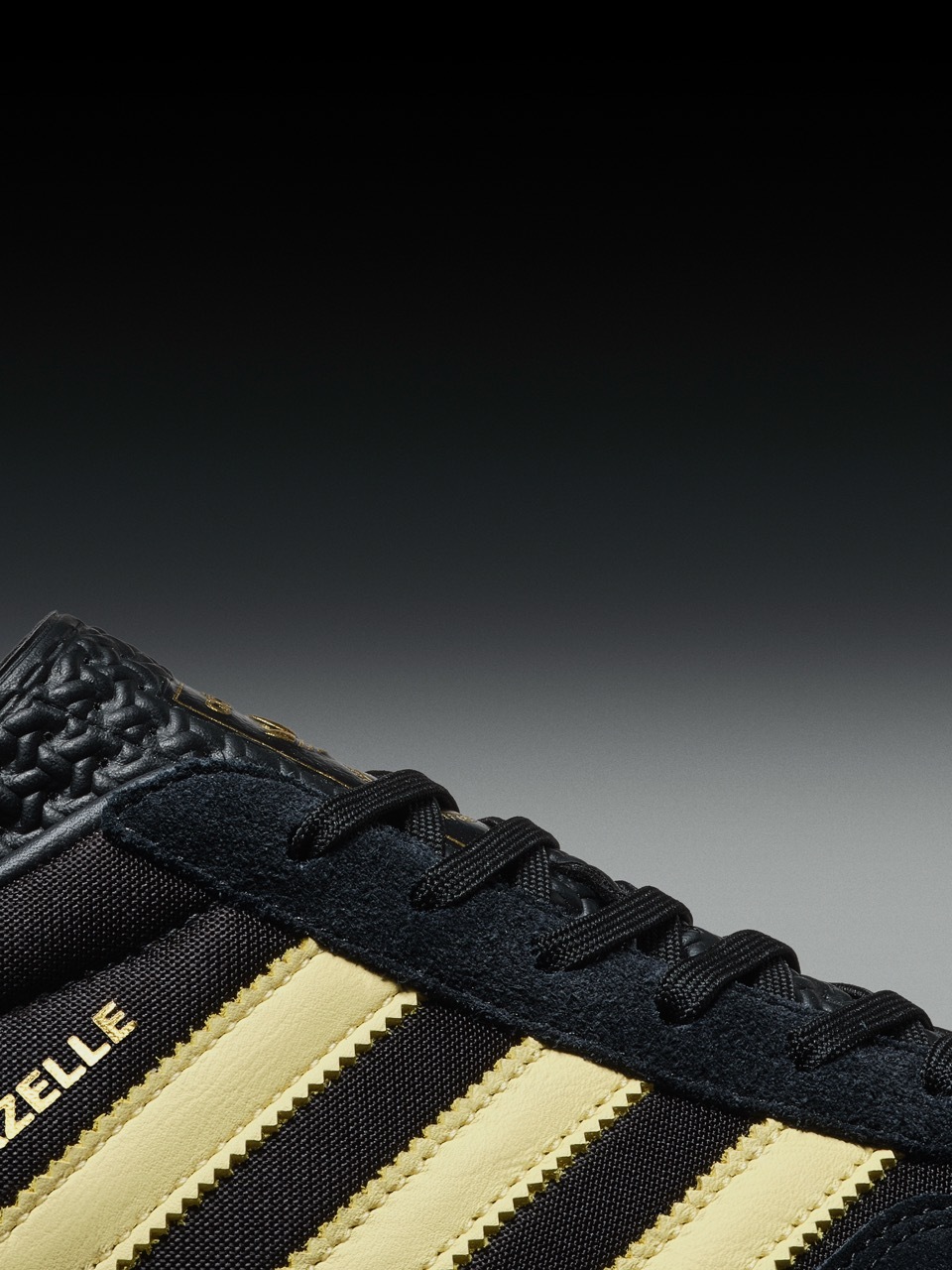
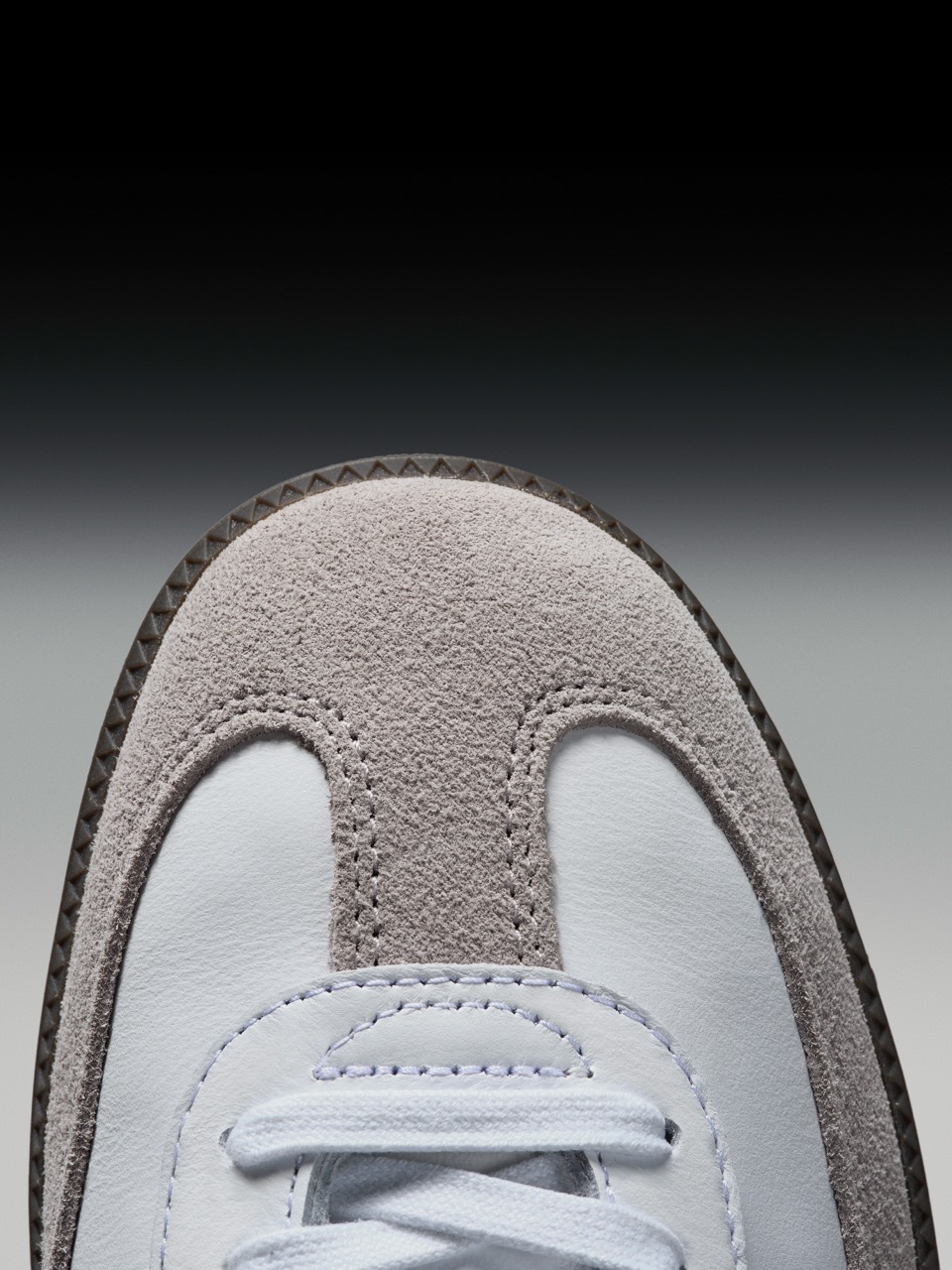
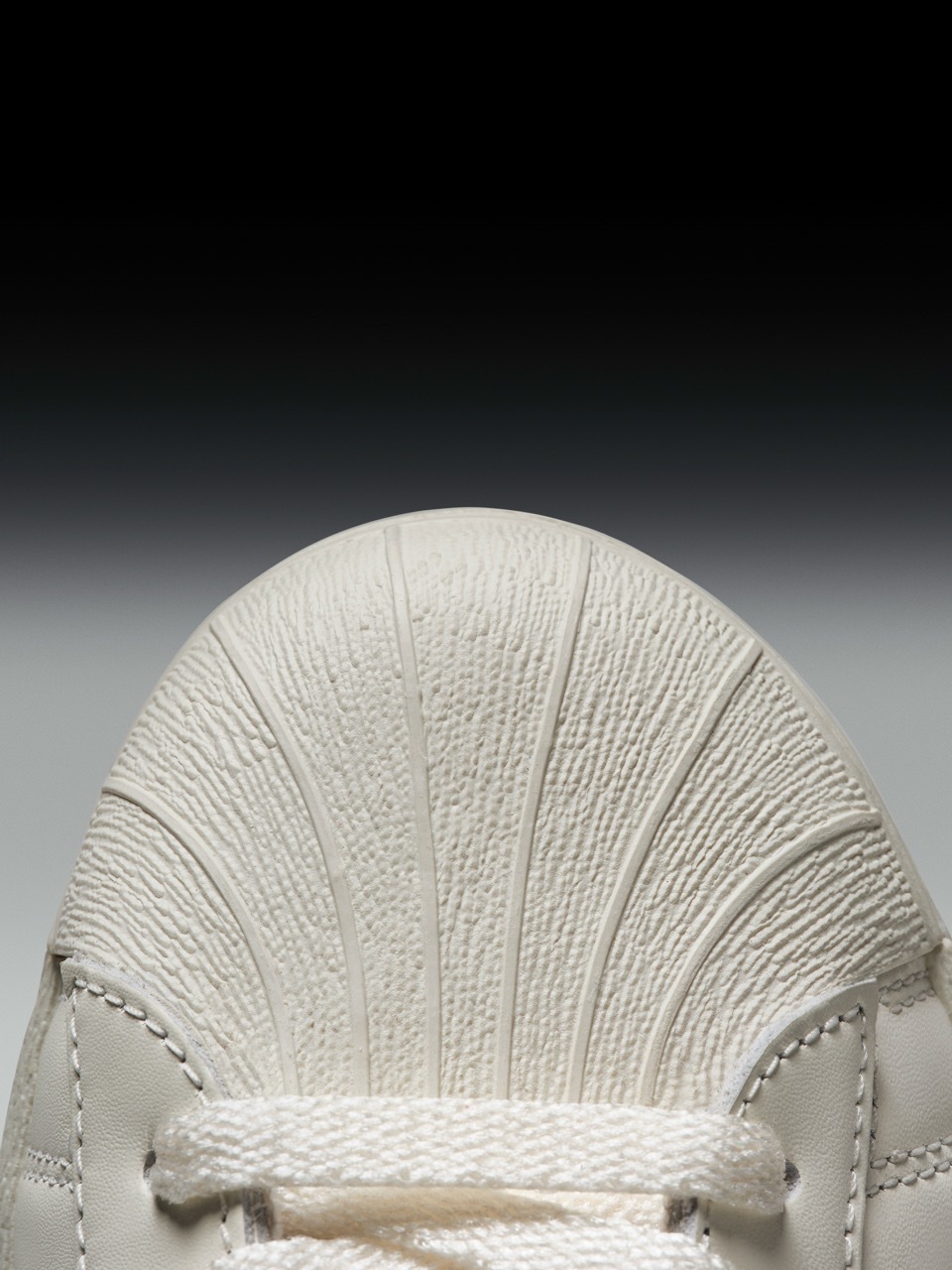
Concrete evidence sits in the product line. Archive silhouettes such as the Superstar, the Gazelle and the Samba have each moved repeatedly between sport, subculture and fashion, worn far from their original purpose.1, 2 The platform gathers those journeys into a single story, presenting the shoes not as static classics but as designs that acquire new meaning every time a fresh audience adopts them.1 That framing lets adidas keep selling familiar products while arguing that they remain culturally alive rather than merely nostalgic.
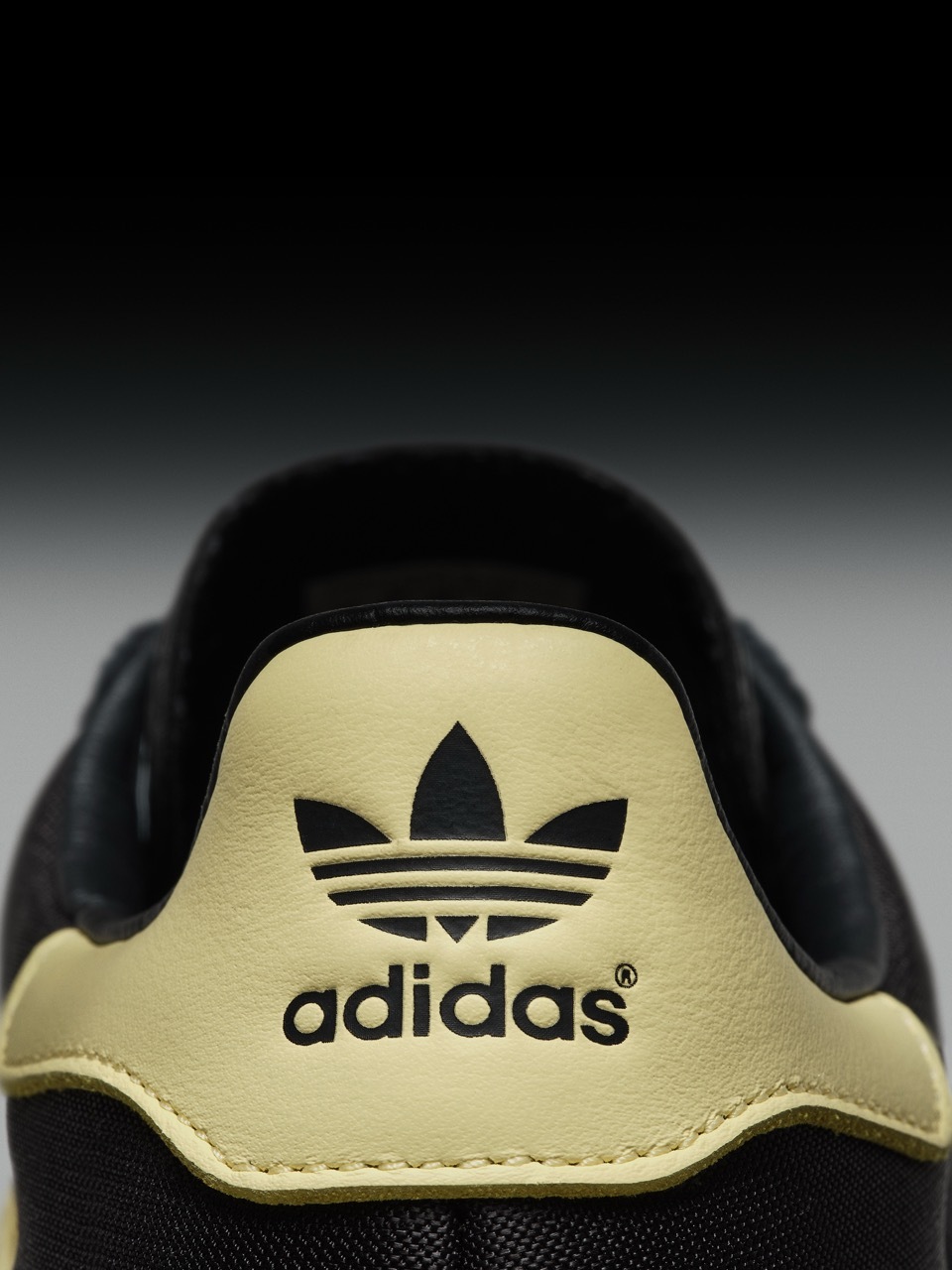
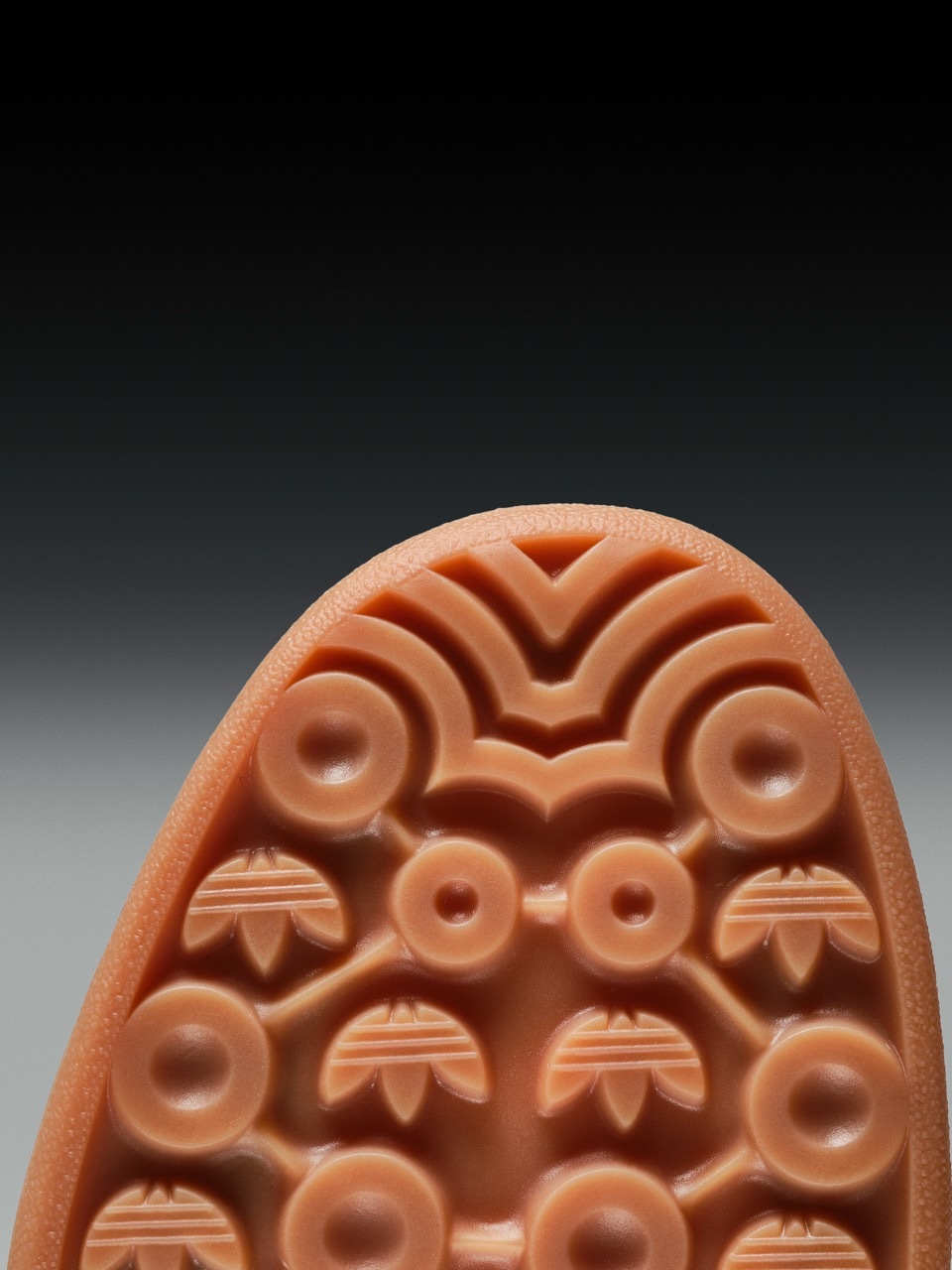
The platform leans on recognition that the Trefoil already carries. Designed in 1971 and applied to apparel from 1972, the three-leaf mark became shorthand for adidas heritage long before Originals existed as a formal division.3, 4 When the company adopted the three-bar Performance logo for competitive sport, the Trefoil was left free to represent the past, and it has anchored the lifestyle line ever since.4, 5 The new platform builds directly on that history, treating the logo as a signal of provenance rather than of any single product.1
Positioning against the field
The timing reflects a competitive lifestyle market. Nike, Puma and New Balance all mine their archives for retro releases, and the value of a heritage sneaker now rests as much on its story as on its construction. By asserting authorship, adidas Originals stakes a claim to being first rather than simply present. The language is careful: it credits the audience for the brand's continued relevance, which softens what could otherwise read as a boast. The result is a platform that celebrates the archive while flattering the communities that keep it alive.
The claim is not without risk. A brand that defines itself by past originality invites scrutiny of whether its current output matches that standard. adidas has leaned heavily on reissues and collaborations in recent years, and a platform that foregrounds heritage could reinforce the perception that its strongest ideas are behind it. The company appears aware of the tension, framing the "thousand" responses as evidence of ongoing creativity rather than nostalgia.1 Whether that framing holds depends on how the platform is populated with new work over time.
What the platform signals
For the wider industry, the platform is a clear statement of how adidas intends to compete in lifestyle. It is not promising the newest technology or the most disruptive design. It is arguing that cultural authorship, accumulated over decades, is itself a durable competitive advantage. That is a defensible position for a brand whose three stripes and Trefoil rank among the most recognised marks in apparel, and it aligns the division with a broader shift in fashion toward provenance and storytelling.
The platform also clarifies the internal logic of the adidas brand architecture. The Performance business speaks to sport and progress; Originals speaks to memory and influence.4 Keeping those messages distinct allows each to be sharper. "We Gave the World an Original" is unlikely to be the last expression of this idea, but it sets out the terms plainly: adidas Originals wants to be understood as a starting point, and to let its audience carry the rest.
Source: Ultimate Collection of Sports Commercials Youtube
Written with AI assistance, edited by a human. Find out more about our Use of AI.
1. adidas, "adidas Originals Launches New Global Brand Platform: 'We Gave the World an Original. You Gave Us a Thousand Back.'", 15 September 2023, for the platform line quoted word for word, for the platform being presented as a homage to those who have carried the Trefoil back into culture "over and over again", for the scenes the release names as having done so (sport, skate, music and fashion), for the "thousand" responses the line credits, for the Trefoil having been introduced "over 50 years ago" and returning here "with a new chapter", for the three archive silhouettes the platform is built around (the Superstar, the Gazelle and the Samba, the Stan Smith is not among them), for the Superstar having been built for basketball and adopted by hip hop, and for the Samba having first made headlines in soccer before being taken up elsewhere. https://news.adidas.com/originals/adidas-originals-launches-new-global-brand-platform---we-gave-the-world-an-original.-you-gave-us-a-t/s/d6c2a3f5-a4ba-4eb0-b02c-035b85a92f72
2. Creative Review, Megan Williams, "Adidas campaign celebrates the originals in its fanbase", 18 September 2023, for independent confirmation that "We Gave the World an Original. You Gave Us a Thousand Back." is a global adidas Originals brand platform launched in September 2023, and that the three silhouettes it is built around are the Samba, the Gazelle and the Superstar. https://www.creativereview.co.uk/adidas-originals-campaign/
3. adidas, "adidas Logos: History and Meaning", September 2022, for the Trefoil having appeared on clothing from 1972 and on shoes from 1976, for it having been "reserved for all Originals products" since 2000, and for the present division of marks in which the Trefoil is "the main brand mark of adidas Originals" while the Performance logo is the main brand mark of adidas. https://www.adidas.com/us/blog/932571-adidas-logos-history-and-meaning
4. Wikipedia, "Adidas", consulted 17 September 2026, for the Trefoil having been "designed in 1971 and launched in 1972, just in time for the 1972 Summer Olympics held in Munich", for the three bars logo introduced in 1997 and designed by then Creative Director Peter Moore, for Adidas AG as the parent company, and for the split of the brand into Adidas Performance, "designed to maintain their devotion to the athlete", and Adidas Originals, "designed to focus on the brand's earlier designs which remained a popular life-style icon". https://en.wikipedia.org/wiki/Adidas
5. Wikipedia, "Adidas Originals", consulted 17 September 2026, for adidas Originals being the casual and sportswear line of adidas that addresses a separate audience from the performance range, and for the separation itself, which this source dates to 1997: "The famous Trefoil logo, formerly used on all Adidas products, has since 1997 been applied only to heritage products; the Performance logo, which had from 1991 been seen on the 'Equipment' range of products, replaced the Trefoil in 1997 across the rest of the Adidas line." https://en.wikipedia.org/wiki/Adidas_Originals