IKEA
Global home furnishings retailer founded in Sweden in 1943, organised around democratic design and a brand vision of creating a better everyday life for the many people, operated through a franchise system led by Inter IKEA Systems with Ingka Group as the largest franchisee.
- Founded
- 1943
- Industry
- Retail · Home Furniture
- Headquarters
- Sweden (founding site)
- Ownership
- Private company
Key Facts
“The Wonderful Everyday”
Togetherness; Caring for people and planet; Cost-consciousness; Simplicity; Renew and improve; Different with a meaning; Give and take responsibility; Lead by example.
Inter IKEA Group, A Little IKEA DictionaryWe exist to create a better everyday life for the many people.
Inter IKEA Group, IKEA Vision and Business IdeaTo offer a wide range of well-designed, functional home furnishing products at prices so low that as many people as possible will be able to afford them.
Inter IKEA Group, IKEA Business IdeaBrand Chronology
IKEA Sweden frames the world through the FRAKTA bag
2026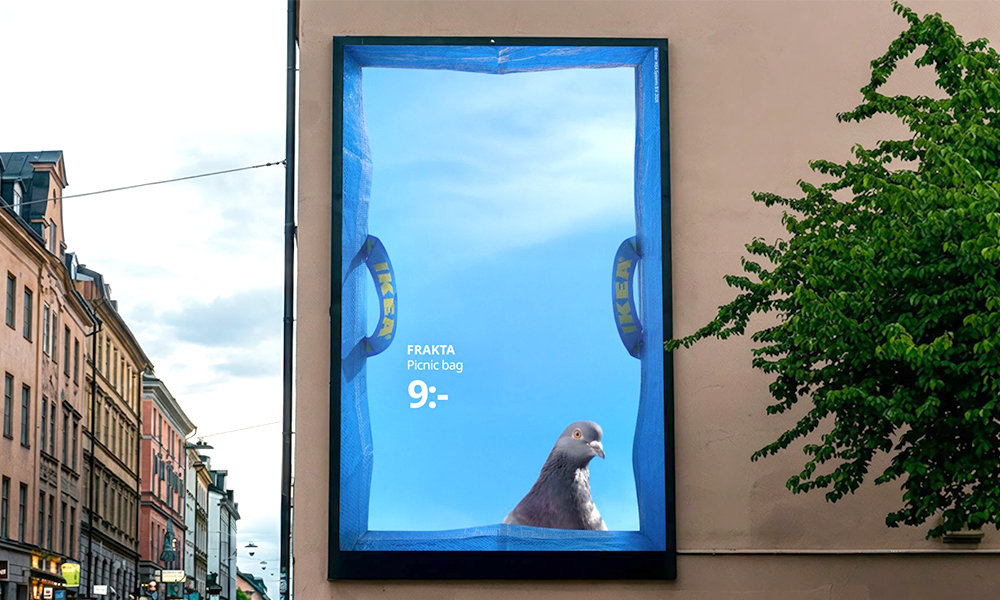
IKEA closes the printed catalogue after 70 years
2020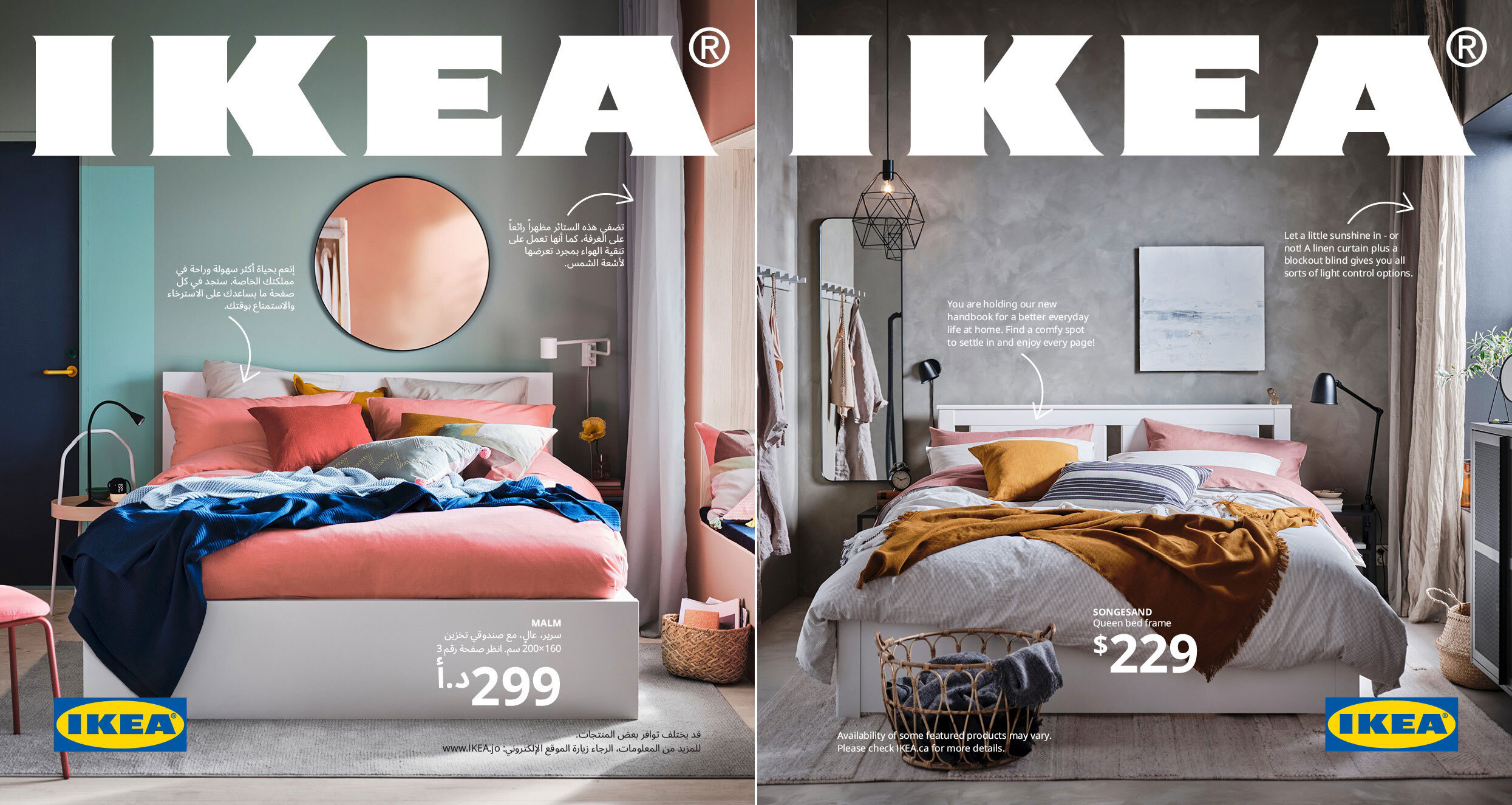
IKEA previews MARKERAD with Virgil Abloh at Democratic Design Days
2018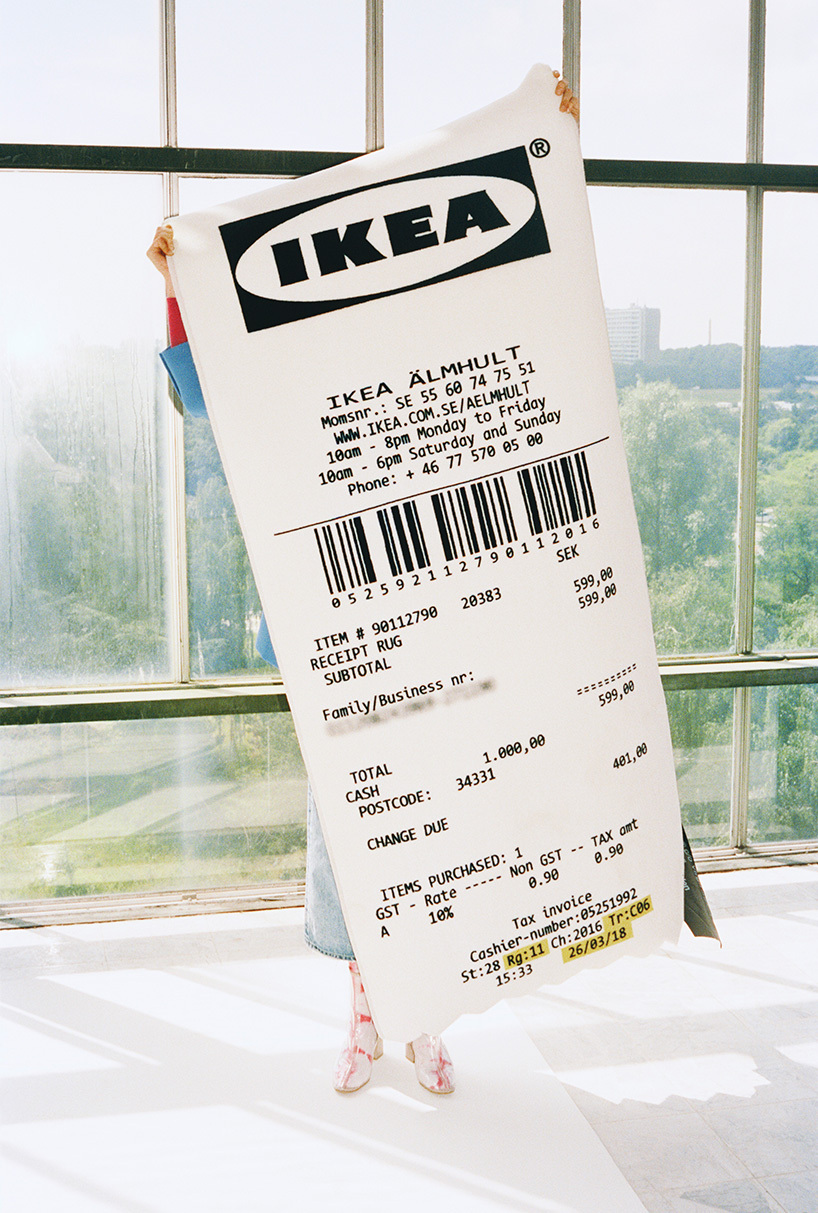
A pregnancy test ad rewrote what a print page could do
2018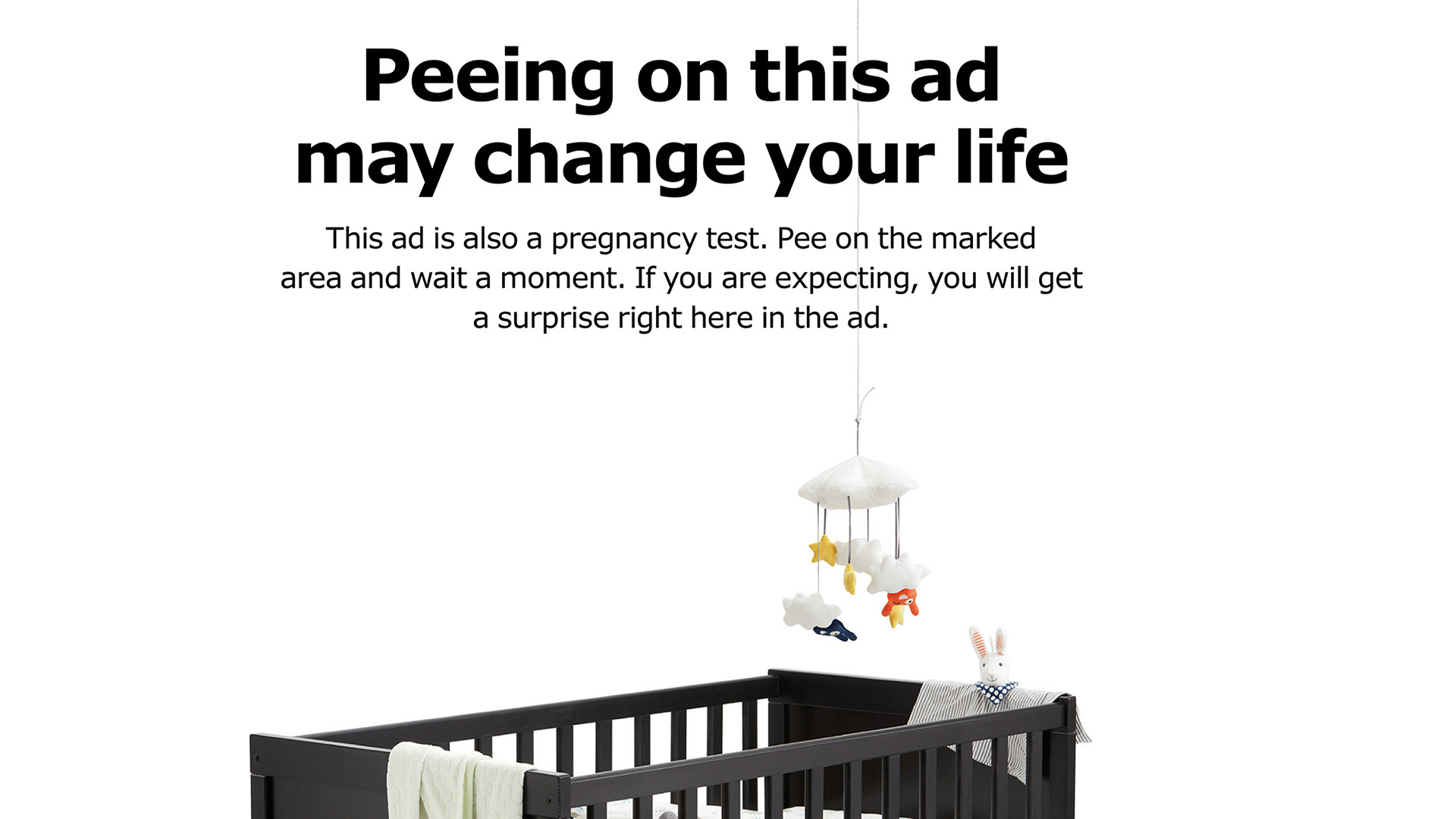
Logo Redesign
2018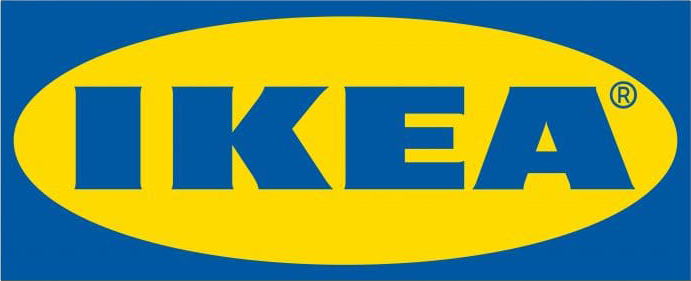
Before the 2018 redesign, the IKEA logo had remained largely unchanged since the 1980s. The update focused on improving legibility, consistency, and color reproduction for digital use.
The refined design ensured the logo worked clearly across all formats, from mobile screens to storefronts and packaging.
IKEA Place put the showroom inside the iPhone
2017
IKEA Sweden makes everyday life the platform with Where Life Happens
2016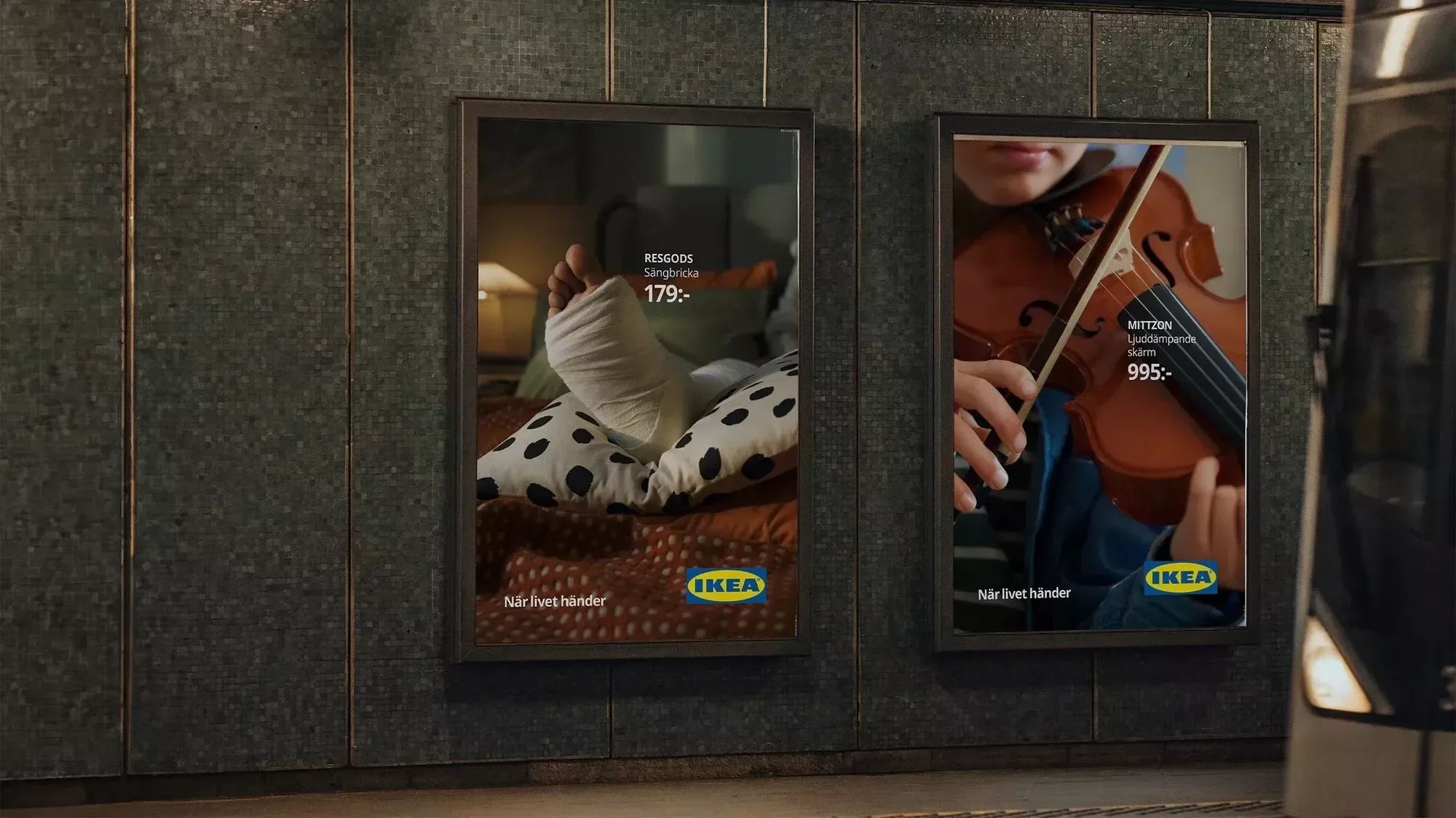
Bookbook turned the 2015 IKEA catalogue into a tech keynote
2014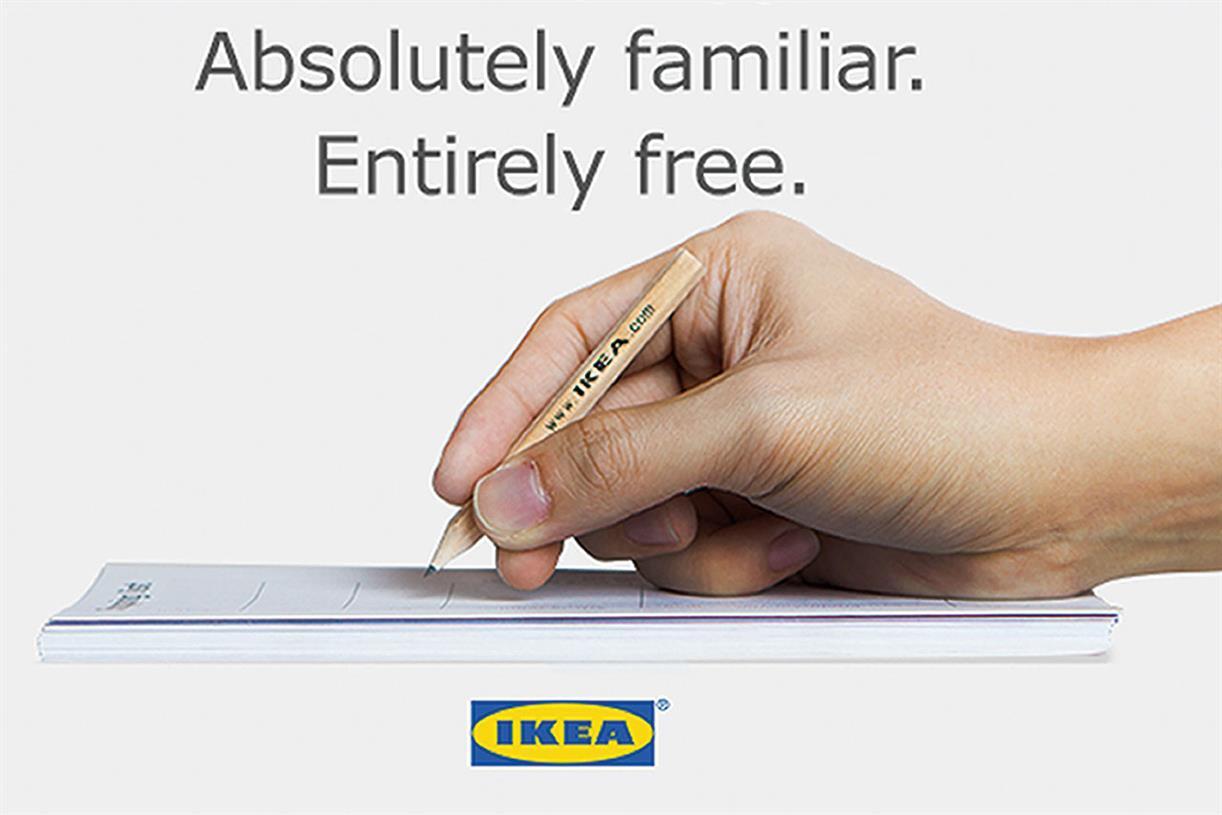
The Wonderful Everyday became IKEA's master brand platform
2014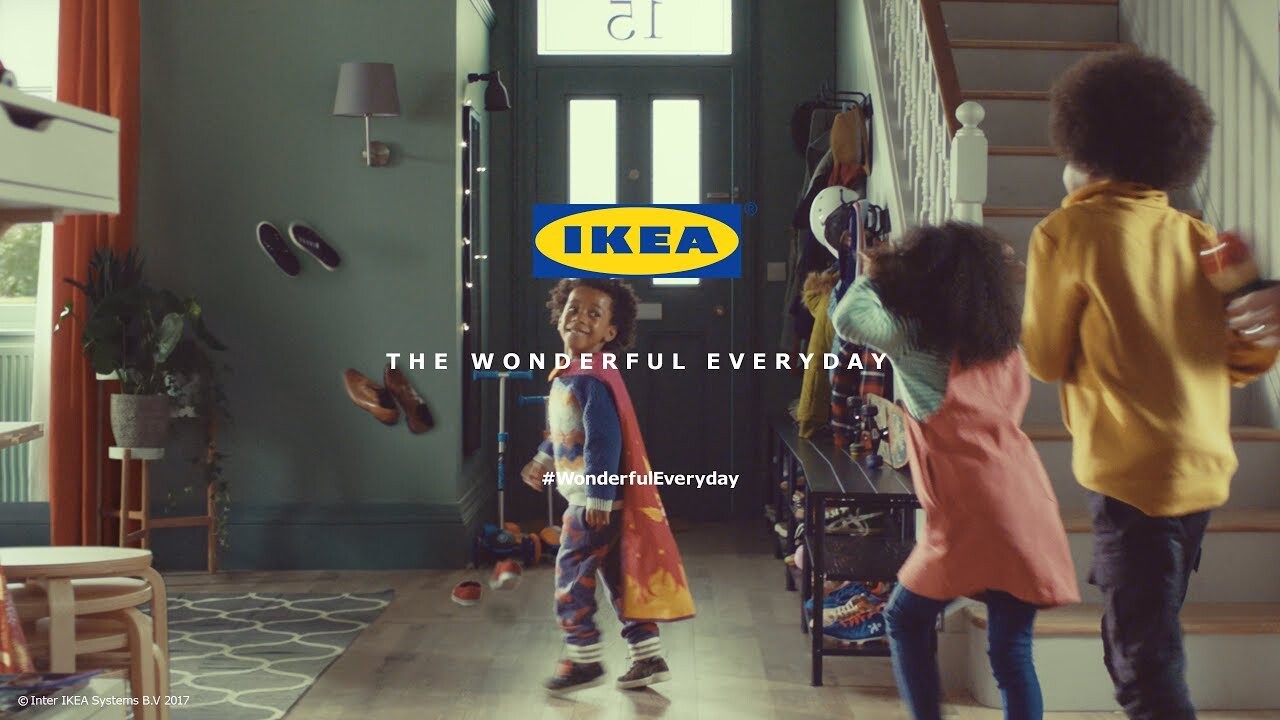
Lamp by Spike Jonze opened the IKEA Unböring platform
2002
IKEA tells Britain to chuck out its chintz
1996
IKEA breaks ground with a same-sex couple in Dining Room
1994
Logo Redesign
1982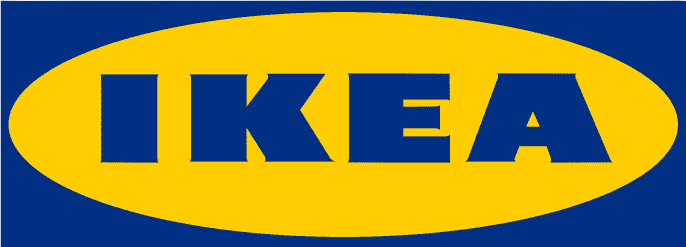
As IKEA expanded globally, its blue-and-yellow identity became increasingly central to the brand. From 1991 onward, stores featured blue facades with large yellow IKEA signage, turning the buildings themselves into highly visible brand symbols.
The same color scheme appeared on catalogs, which became some of the world’s most widely distributed printed materials, reinforcing IKEA’s identity as an export of Swedish culture. Interestingly, Scandinavia continued using the older red-and-white logo for years, yet the brand remained instantly recognizable despite the regional variation.
Logo Redesign
1962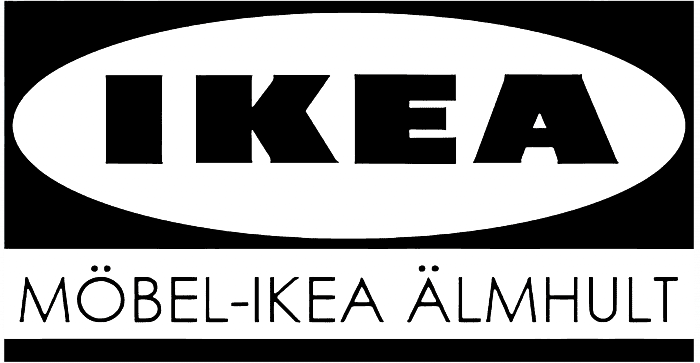
Designer Gillis Nilsson was tasked with simplifying and standardizing the IKEA logo. In 1962, the accent over the “E” was removed, the lettering was redrawn by hand, and the diagonal layout was replaced with a horizontal one.
The IKEA name was placed inside an oval, combined with variations of “Möbel” and “Älmhult,” and framed within a black-and-white rectangle. By the opening of the Kungens Kurva store in 1965, the logo had evolved into a form very close to the modern version, with lettering based on an extra-bold Futura style.
Logo-Redesign
1952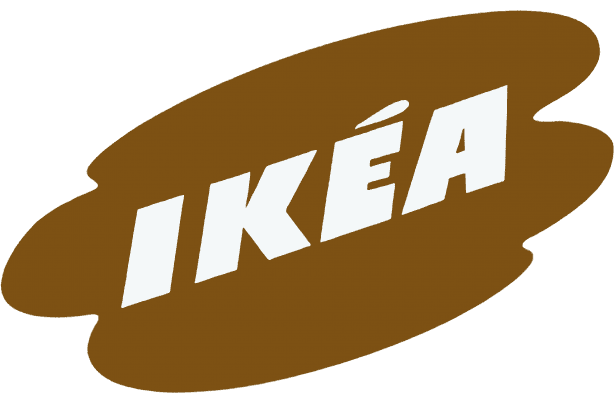
The phrase “Kvalitetsgaranti” (quality guarantee) first appeared in 1951 alongside IKEA in its early catalogues, but it was quickly discontinued the following year. Despite its short use, the idea of a quality guarantee became central to IKEA’s brand identity.
In 1952, advertising head Gillis Lundgren redesigned the existing mark, creating an early form of the modern logo. The wordmark was set diagonally in uppercase, reflecting the company’s focus on durable hardwood furniture, with color choices inspired by that material.
By the late 1950s, variants such as “Möbel-IKEA” and “Älmhult” appeared as the company expanded. When the first store opened in Älmhult in 1958, a stylized building icon was also introduced alongside the evolving logo, marking a step toward a more unified visual identity.
Logo Design
1943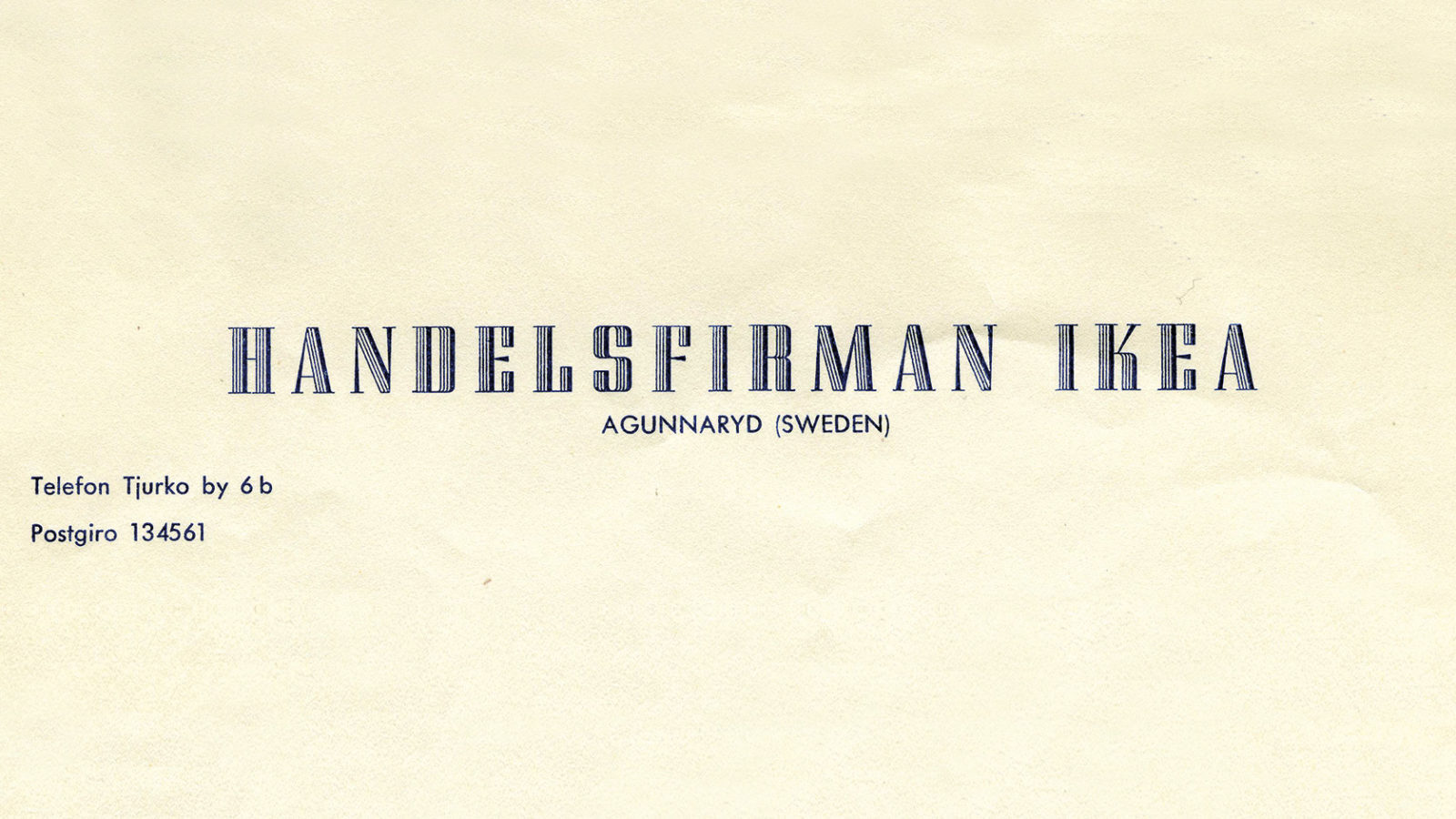
The evolution of the IKEA logo closely mirrored the company’s business development. Ingvar Kamprad founded Handelsfirman IKEA in July 1943, originally operating as a rural mail-order and peddling business. At that stage, the emblem functioned less as branding and more as a trust mark, signaling reliability and legitimacy to customers.