
The end of a 70 year marketing instrument
On 7 December 2020, Inter IKEA Systems announces that the IKEA catalogue, the brand's central marketing tool since 1951, will not be reprinted after the 2021 edition.1 The 2021 catalogue, distributed across the autumn and winter of 2020, is therefore the final printed and digital edition.1, 2 The decision closes a 70 year run that has produced 220 million copies a year at peak, in 32 languages, across more than 50 markets, and that has consumed the largest single line of IKEA's annual marketing budget for most of its history.2, 3
The announcement is delivered through the IKEA newsroom and the IKEA Museum's An Icon Is Retired editorial.1, 3 It is framed as a response to changing consumer behaviour rather than as a financial decision.1 Online sales at IKEA grow by 45 percent in the fiscal year that precedes the announcement, and the company records around 4 billion website visits in the same period.1, 4 The catalogue's role as the entry point into the IKEA range has shifted to digital, and the print edition is being retired in line with that shift.
What the catalogue was
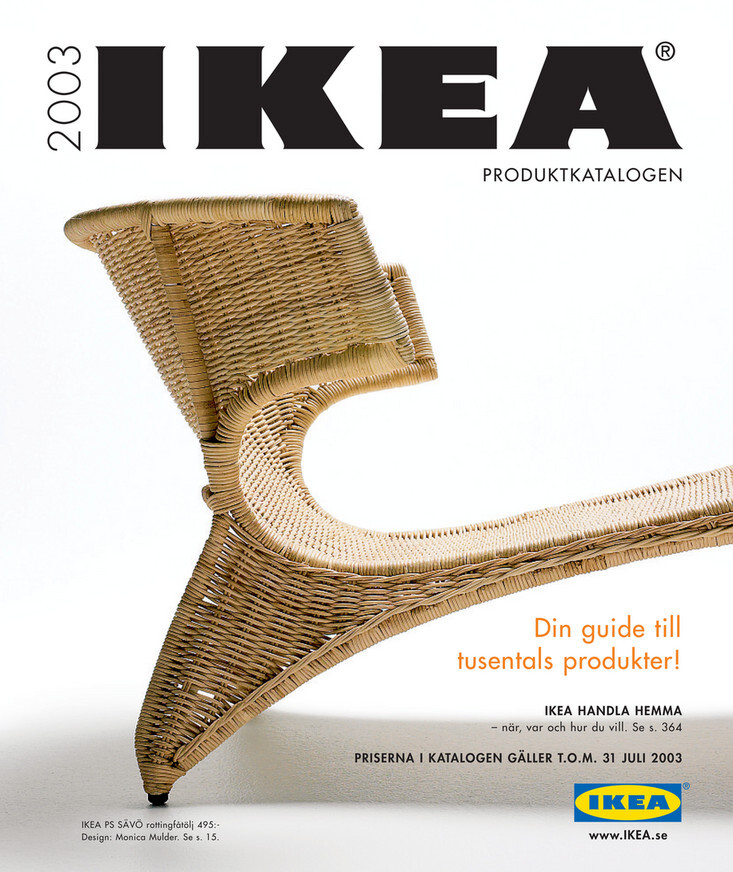
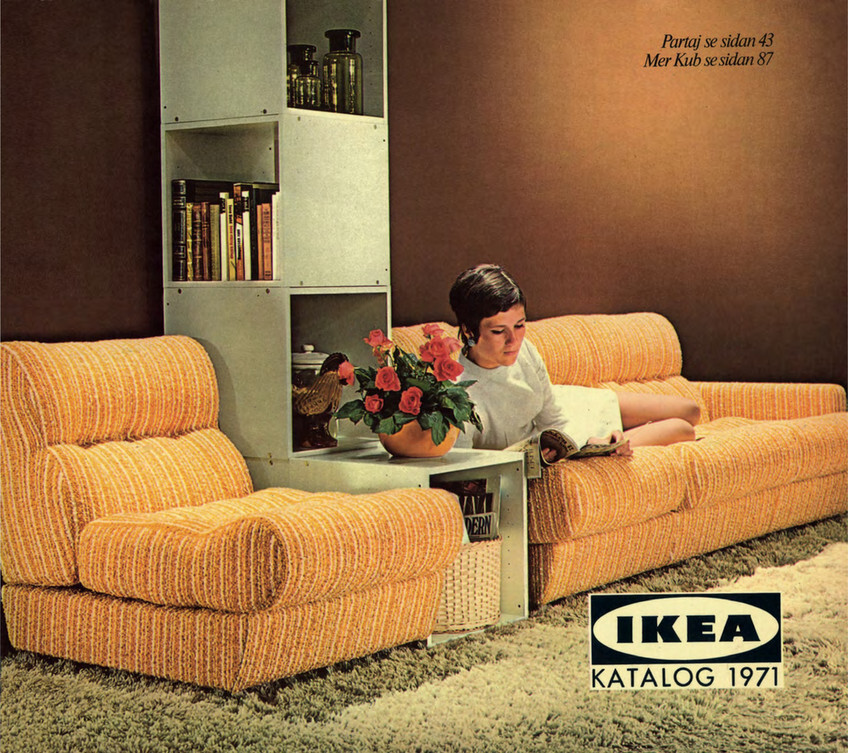
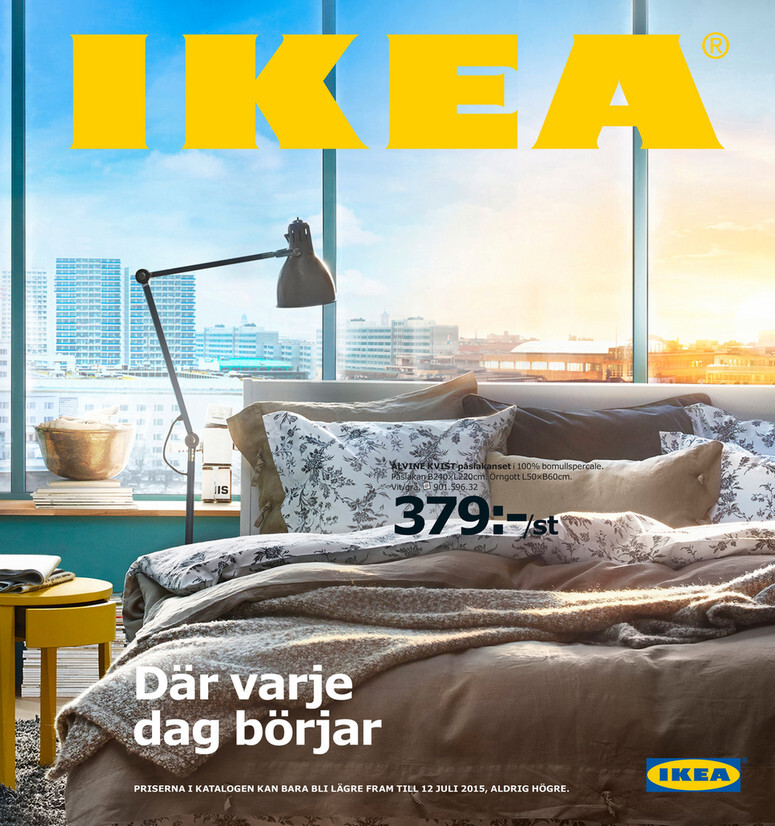
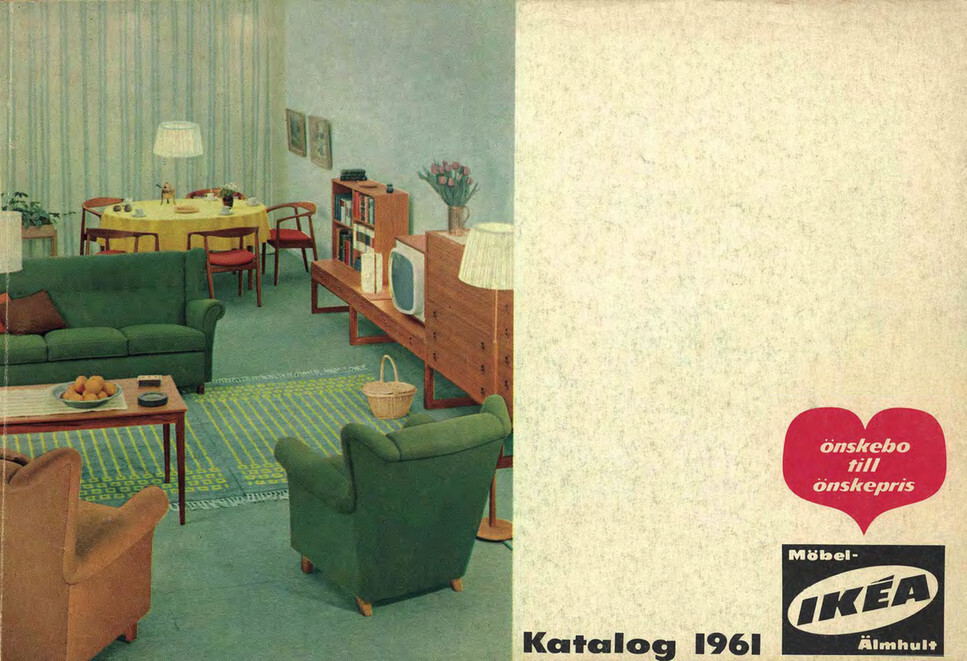
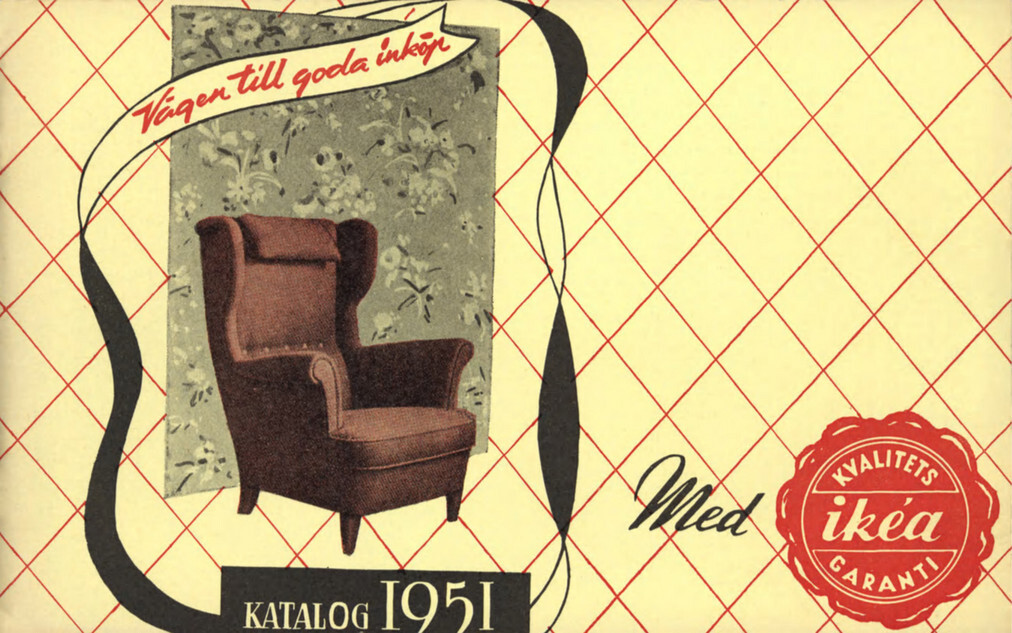
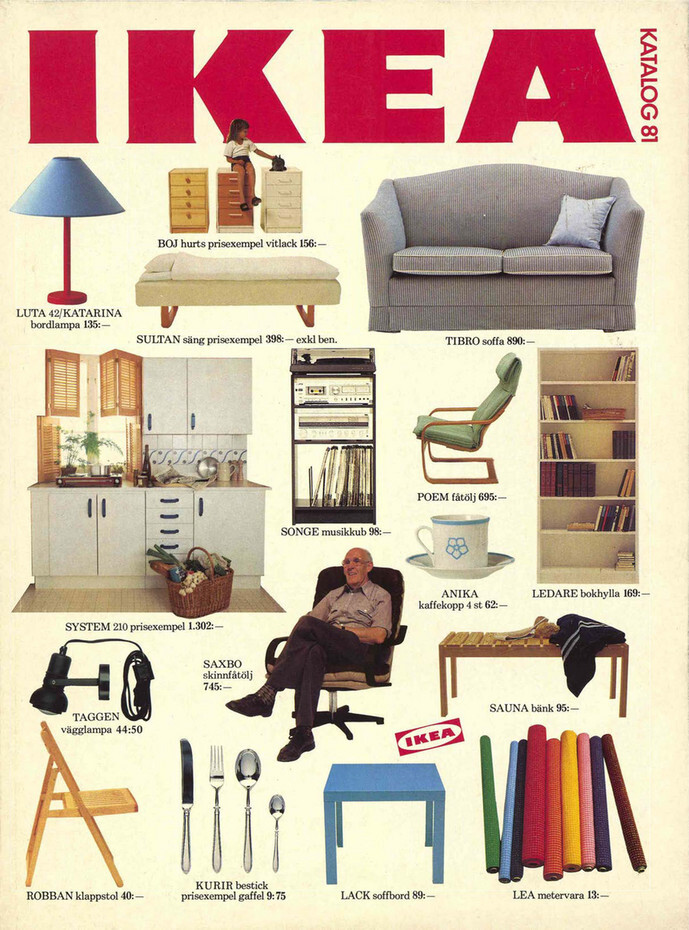
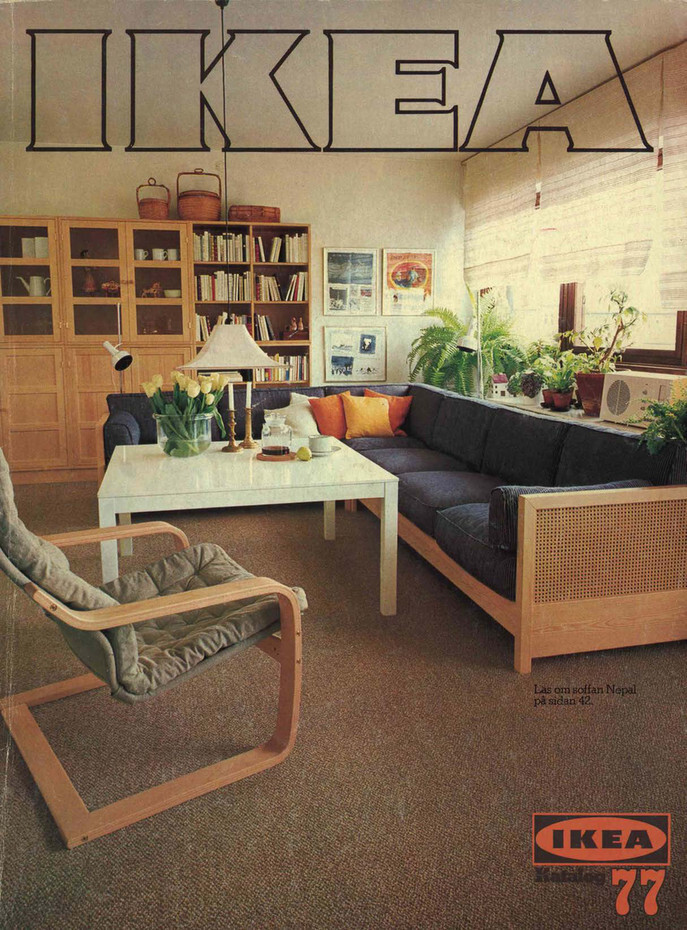
Ingvar Kamprad publishes the first IKEA catalogue in 1951.1 The publication is part-mail order tool and part-product manifesto, and it sets the editorial template the brand carries forward across the rest of the century. The catalogue describes the IKEA range, places the products in domestic settings, names the price, and frames the company's broader purpose. By the 1970s the publication is the brand's primary marketing instrument, and by 2004 it consumes around 70 percent of IKEA's annual marketing spend.5
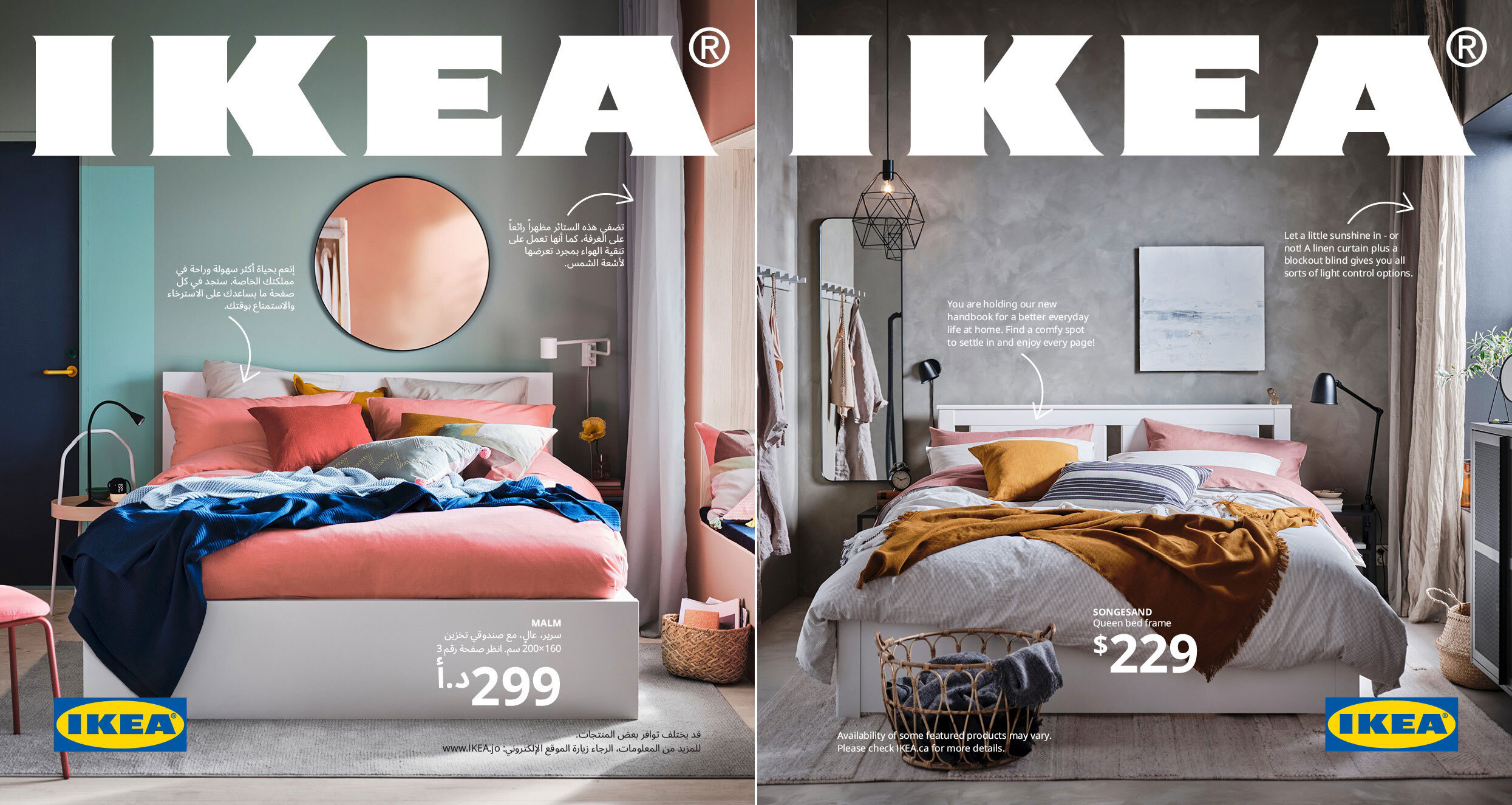
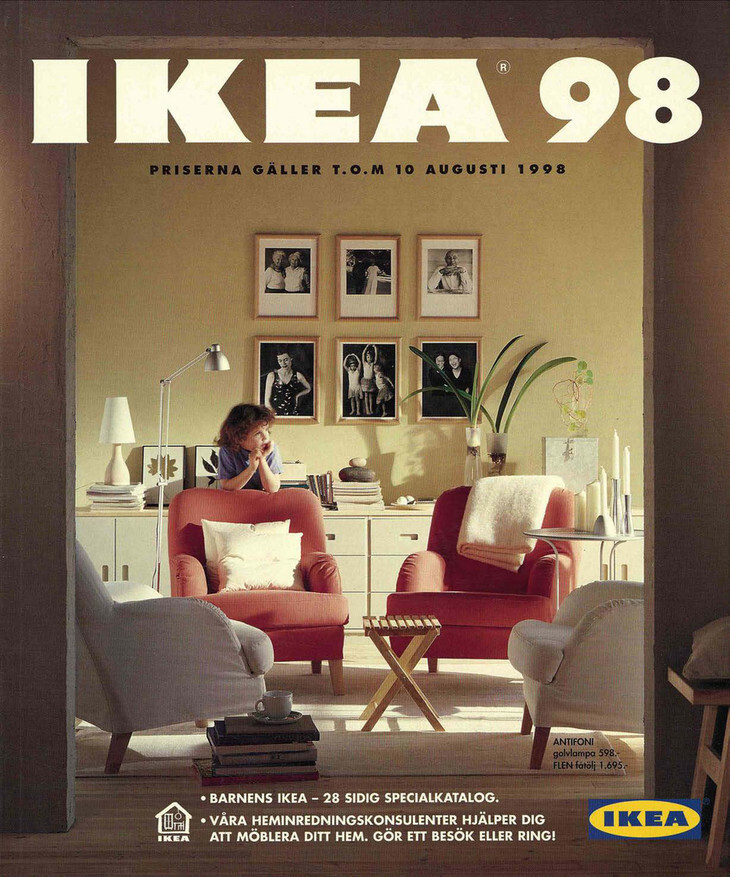
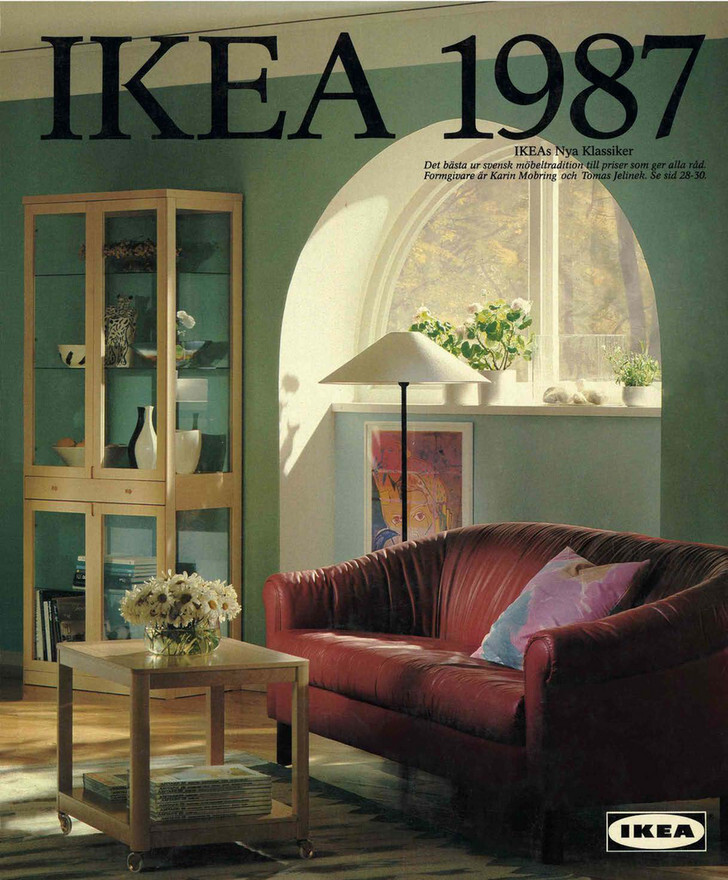
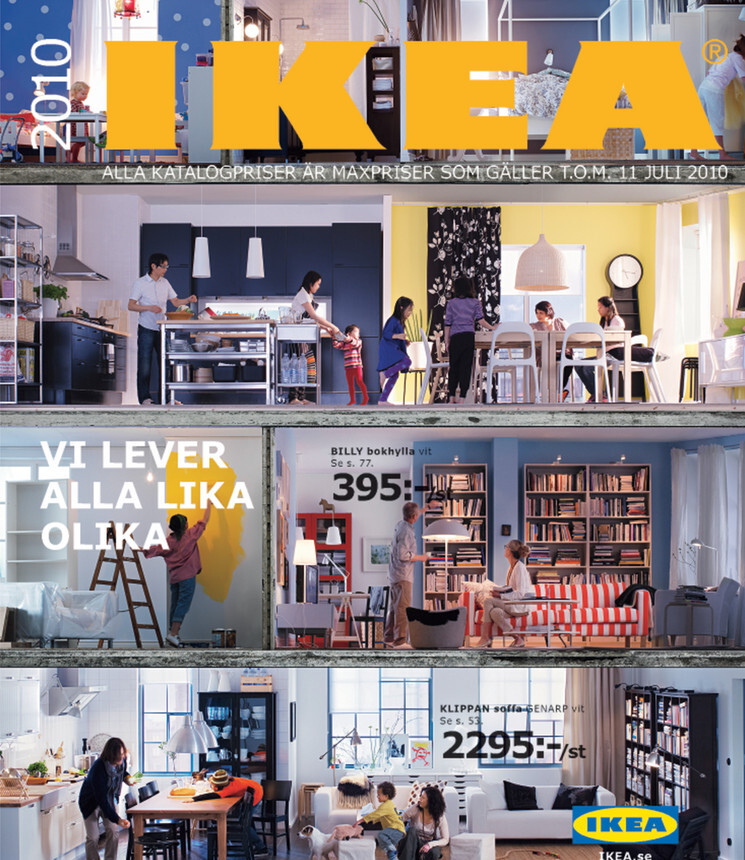
The catalogue scales to industrial proportions. At its peak in 2016, the print run reaches around 200 million copies.1, 4 Each edition is localised by market with bespoke product mixes, currency-specific pricing and local interior conventions.3 The 2021 edition runs to 40 million copies across the markets that still receive a printed publication.4, 5 Successive covers operate as cultural events, particularly in Sweden and Germany, where each year's cover is reviewed by the design and culture pages of the national press.2, 3
The shift to digital
Two structural changes drive the decision to retire the print edition. The first is the long migration of IKEA's customer journey to digital. Inspiration, product browsing, configuration and increasingly purchase happen through the IKEA website and app rather than through a flicked-through paper publication. The second is the operational reality of producing a global print catalogue at the scale IKEA had built. Each annual cycle requires roughly 12 months of editorial, photographic and translation work across the brand's central content function in Älmhult, plus print and distribution capacity that competes with retail logistics.6
The pandemic accelerates an already-visible trend. With store visits restricted across IKEA's largest markets in 2020, online sales expand sharply, and the digital channels that the catalogue had once funnelled customers towards become the primary place where customers meet the brand.3, 4 The decision to stop reprinting is therefore presented as an acknowledgement of where IKEA's customers already are rather than as a strategic departure from where they used to be.
The editorial replacement
IKEA does not retire the catalogue's editorial function alongside the printed publication. The newsroom announcement signals that the brand will continue to publish inspirational content under different formats.1 The IKEA Magazine, a magazine-style publication that runs alongside the catalogue in the late 2010s, is positioned as one of the editorial successors. Brand films, longer-form digital editorial, market-specific microsites and social storytelling carry forward the inspirational role that the catalogue had performed.
The 2021 catalogue itself is treated as a goodbye. IKEA produces an audio version of the publication for podcast distribution, releases a commemorative digital flipbook, and uses the announcement window to revisit the catalogue's history through the IKEA Museum's editorial channels.7 The IKEA Museum publishes An Icon Is Retired, a long-form essay that traces the catalogue from the 1951 edition to the 2021 closing edition.3
What is preserved
The cultural memory of the catalogue is significant in several IKEA territories, and the brand treats the closing edition as an archival artefact rather than as a discontinued product. The IKEA Museum continues to make the catalogue archive available as a public-facing browsing tool, with each year's cover and a selection of interior spreads scanned and indexed.3, 8 The archive is also positioned as a research resource for design historians, who have repeatedly used IKEA catalogues to map the changing material conditions of post-war European domestic life.
Inside the brand, the catalogue's editorial framework remains the reference point for how IKEA presents its range. The principle that products belong in domestic settings rather than in studio cut-outs, the principle that price is named alongside the product rather than negotiated separately, and the principle that the IKEA Concept (form, function, quality, sustainability, low price) anchors every spread, all carry forward from the catalogue into the brand's digital editorial.
Why the announcement matters
The retirement of the IKEA catalogue is one of the largest single channel shifts a major retail brand has executed inside a generation. The catalogue is, for most of IKEA's history, the brand. It is the document that scales the IKEA Concept across territories, that introduces a cohort of new customers each year, and that anchors IKEA's editorial voice. Closing the printed publication is therefore a structural decision about where IKEA's brand surface lives in the 2020s.
The decision reads as a continuity rather than a departure. The catalogue's job is to meet the IKEA customer where they already are. In 1951 that was the rural Swedish post box. In 2020 it is the IKEA app, the website, the social feed and the connected home. The publication is being retired because the editorial principle behind it has moved on with the customer.
Written with AI assistance, edited by a human. Find out more about our Use of AI.
1. IKEA Newsroom, Inter IKEA Systems B.V., "After 70 successful years, IKEA is turning the page on the Catalog", 7 December 2020, for Inter IKEA Systems B.V., the worldwide IKEA franchisor, ending the IKEA Catalog after 70 years in both its print and its digital version, for the decision being explained by changed customer behaviour and media consumption and by the catalogue having been less used, for IKEA's online retail sales having risen by 45 percent worldwide in the previous year while IKEA.com welcomed more than four billion visits, for the first catalogue of 1951 having been put together by Ingvar Kamprad himself, for the peak year of 2016, when 200 million copies were distributed in 69 versions, 32 languages and more than 50 markets, and for the stated intention to keep inspiring customers "through new ways, channels and formats", with a tribute book promised for autumn 2021. https://www.ikea.com/us/en/newsroom/corporate-news/after-70-successful-years-ikea-is-turning-the-page-on-the-catalog-pubfd77b0f7/
2. IKEA Museum, "IKEA advertising through the ages", undated, retrieved 25 September 2026, for the 2021 IKEA catalogue, published in autumn 2020, having been the final printed one, for the peak circulation the museum gives without naming a year, "at most" 220 million copies in 69 versions, 32 languages and more than 50 markets, and for each catalogue being reviewed and discussed in the culture and financial sections of the press, especially in Sweden. https://ikeamuseum.com/en/explore/the-story-of-ikea/ikea-and-advertising/
3. IKEA Museum, "The end of the iconic IKEA catalogue on paper", editorial headed "An icon is retired", undated, retrieved 25 September 2026, for the editorial itself and its account of the catalogue from its first edition to the final printed 2021 edition that came out in autumn 2020, for the same undated peak figure of 220 million copies in 69 versions, 32 languages and more than 50 markets, for the catalogue having long been made in one main version adjusted to each market, with each market choosing six of around ten home settings for the 2021 edition, for the autumn release being a major media event in Sweden, reviewed in the culture and financial sections of the major daily newspapers, for IKEA stores being closed or on restricted opening hours in many countries after Covid-19 hit in early 2020, and for all Swedish catalogues from 1951 to 2021 having been digitised and made accessible online and on monitors at IKEA Museum in Älmhult. The museum dates the very first catalogue to autumn 1950. https://ikeamuseum.com/en/explore/the-story-of-ikea/an-icon-is-retired/
4. Announcement-day reporting, 7 December 2020. The Guardian, Kate Connolly, "Ikea to stop printing catalogue after 'successful career' that spanned 70 years", for IKEA's online trade having risen by 45 percent in the previous year and for circulation having peaked in 2016 at 200 million copies in 32 languages; the Guardian URL carried in the verse's source list returned page not found on 25 September 2026, and the same day's Guardian report at its current address is cited as the replacement. Fortune, Phil Wahba, "Ikea to stop publishing its iconic catalog after 70 years", off whitelist and used for corroboration only, for the 45 percent rise in online retail sales and the 4 billion website visits falling in IKEA's fiscal year ended in August 2020, for the catalogue having reached 200 million homes at its peak four years earlier, for only 40 million copies having been produced in 2020, and for the pandemic having fuelled the online growth. CBC News, "Ikea to stop printing paper catalogue", off whitelist and used for corroboration only, for customer behaviour and media consumption having evolved especially during the COVID-19 pandemic and for IKEA's online sales in Canada having grown by more than 41 percent in the previous year; the CBC page refused access with a 403 error on 25 September 2026 and was read at CBC's lite address for the same story number. https://www.theguardian.com/business/2020/dec/07/ikea-to-stop-printing-catalogue-after-70-years-as-customers-move-online https://www.theguardian.com/business/2020/dec/07/ikea-to-scrap-its-renowned-furniture-catalogue https://fortune.com/2020/12/07/ikea-catalog-2021-stops-publishing/ https://www.cbc.ca/news/business/ikea-catalogue-1.5831000
5. Wikipedia, "IKEA Catalogue", retrieved 25 September 2026, for the catalogue having consumed 70 percent of IKEA's annual marketing budget as of 2004, and for 40 million copies of the 2021 edition having been printed. https://en.wikipedia.org/wiki/IKEA_Catalogue
6. Wikipedia, "IKEA", retrieved 25 September 2026, for most of the catalogue having been produced by IKEA Communications AB in IKEA's hometown of Älmhult, Sweden. https://en.wikipedia.org/wiki/IKEA
7. Marketing-Interactive, Staff Writer, "IKEA unveils its last ever catalogue as a podcast", 15 March 2021, off whitelist and used for corroboration only, for IKEA having turned its final 2021 catalogue into an audio catalogue of 13 chapters of 10 to 30 minutes each, published on YouTube, Spotify and audiobooks.com as a tribute to the catalogue's history. https://www.marketing-interactive.com/ikea-unveils-last-catalogue-as-a-podcast
8. PRINT Magazine, "The IKEA Catalog is Dead. Long Live the IKEA Catalog.", 9 December 2020, for the full archive of the IKEA catalogue remaining available online after the announcement. https://www.printmag.com/design-news/the-ikea-catalog-is-dead-long-live-the-ikea-catalog/