
A taxi stops on Fifth Avenue at dawn
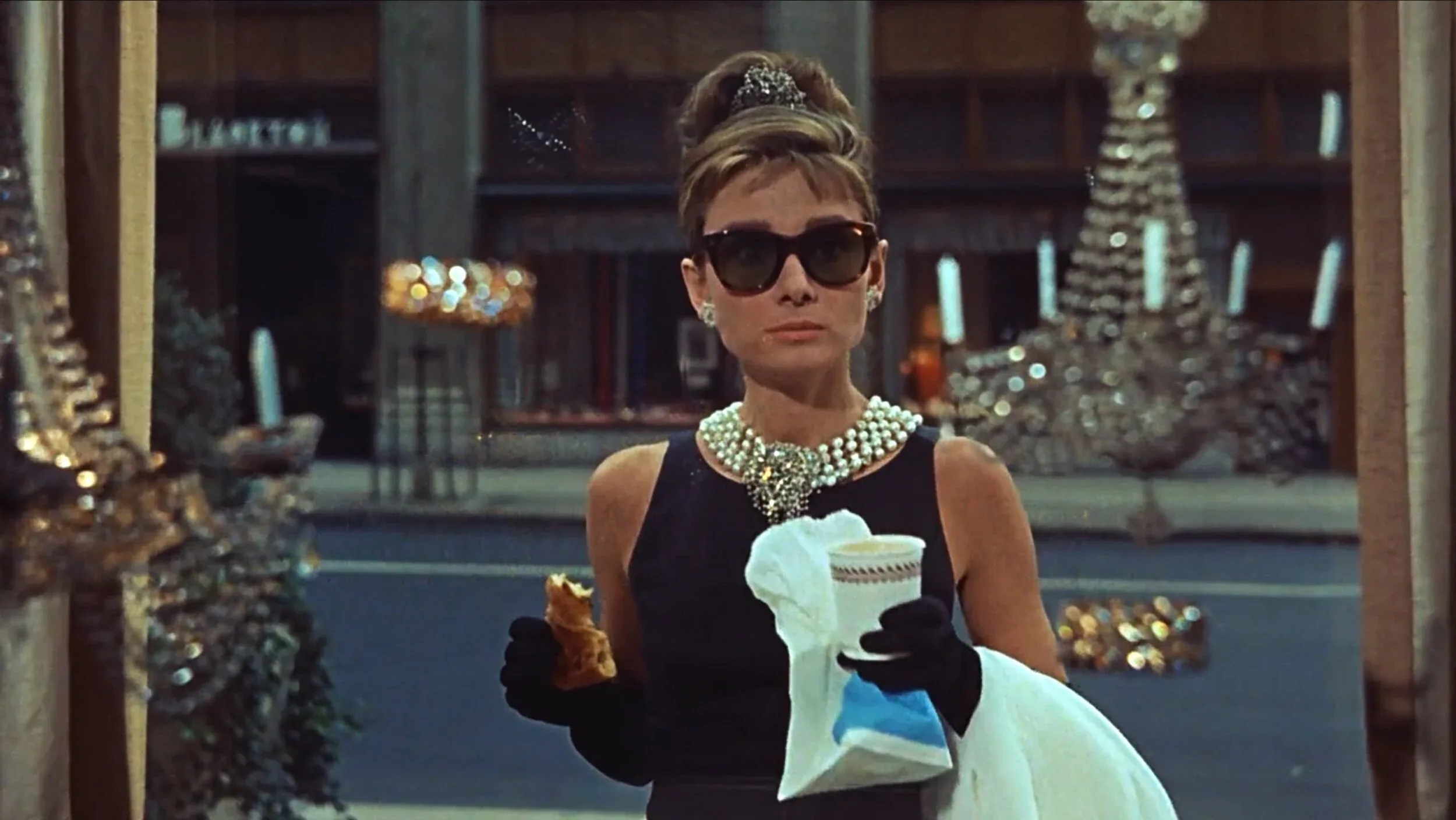
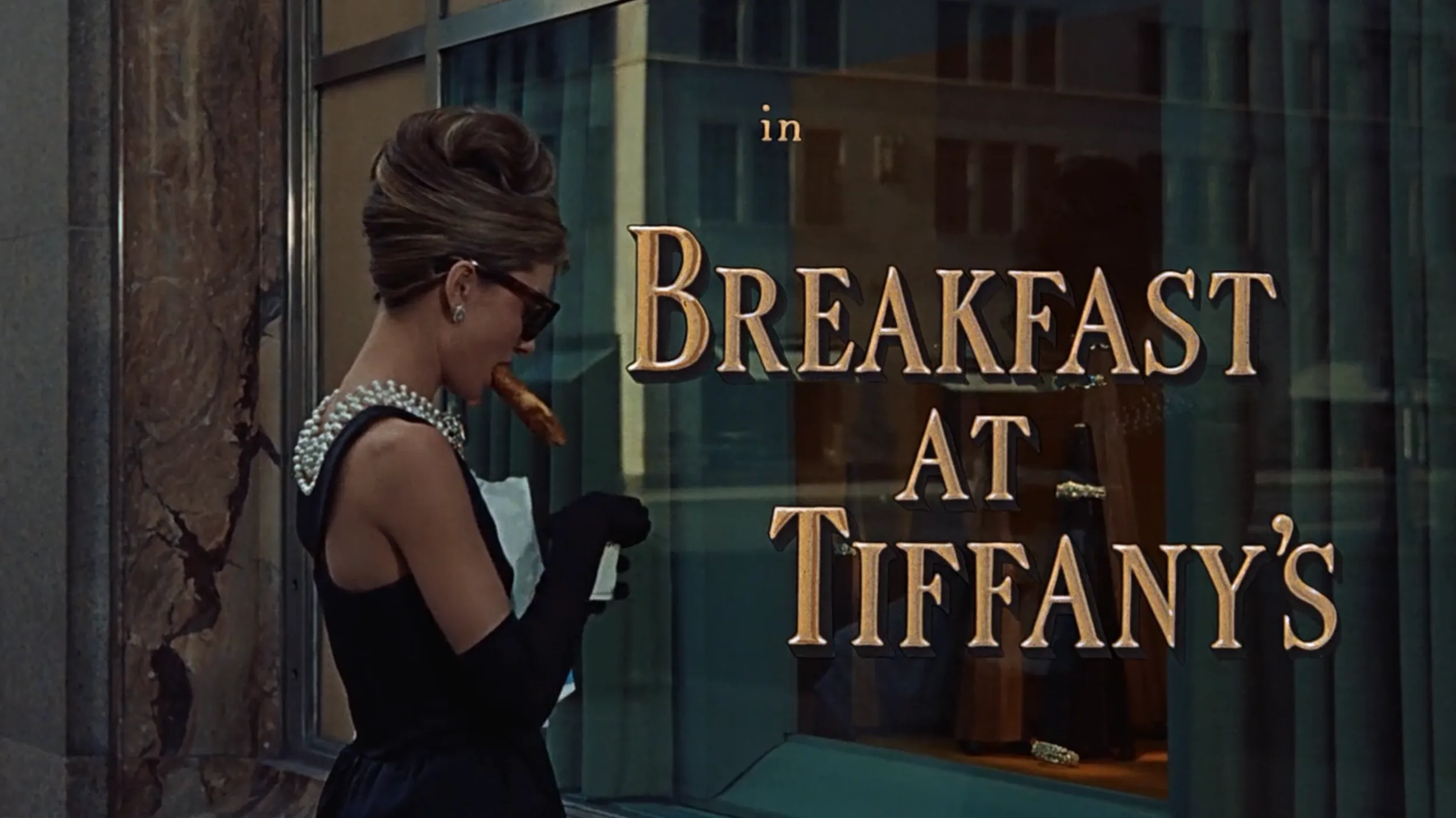
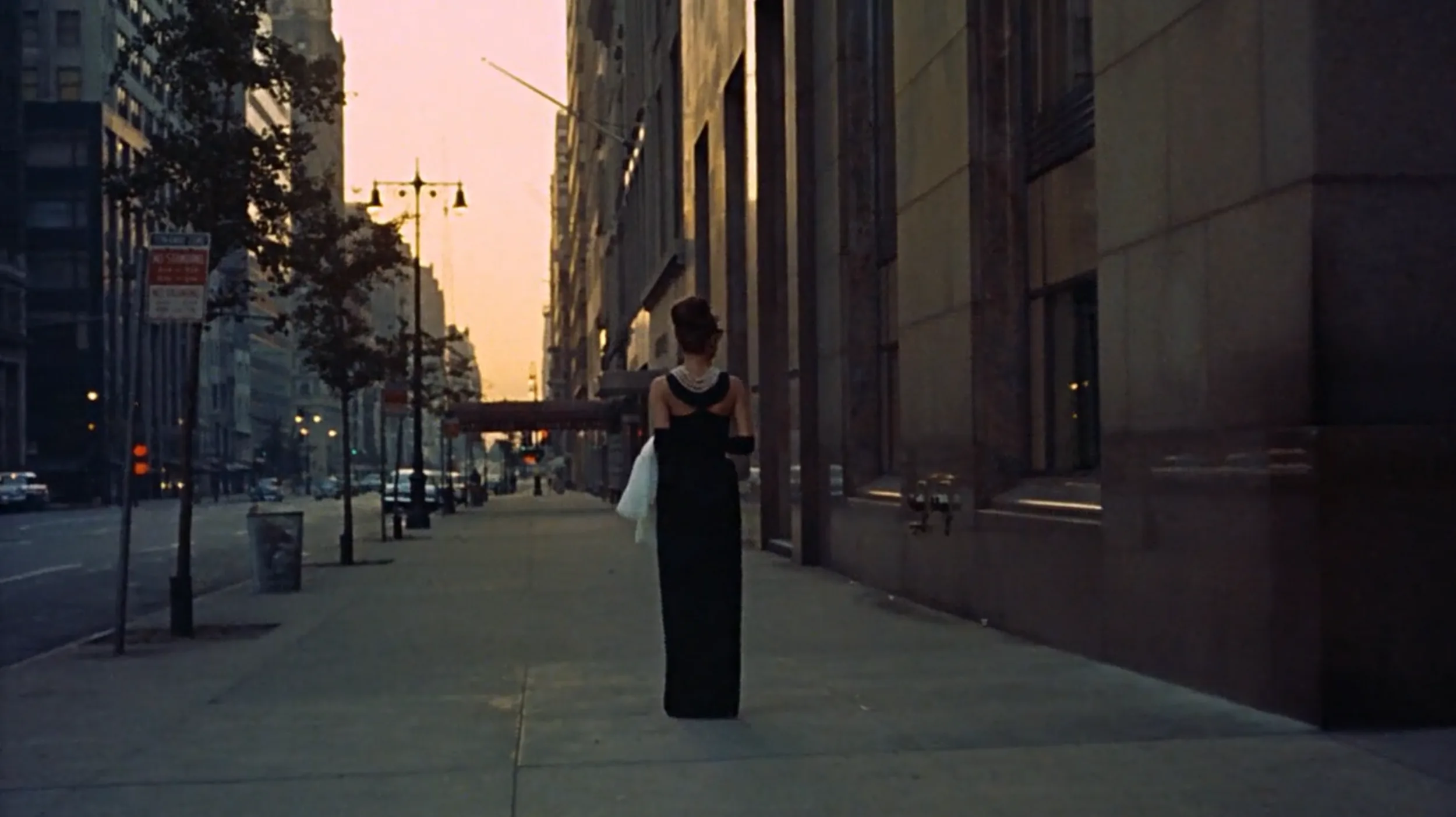
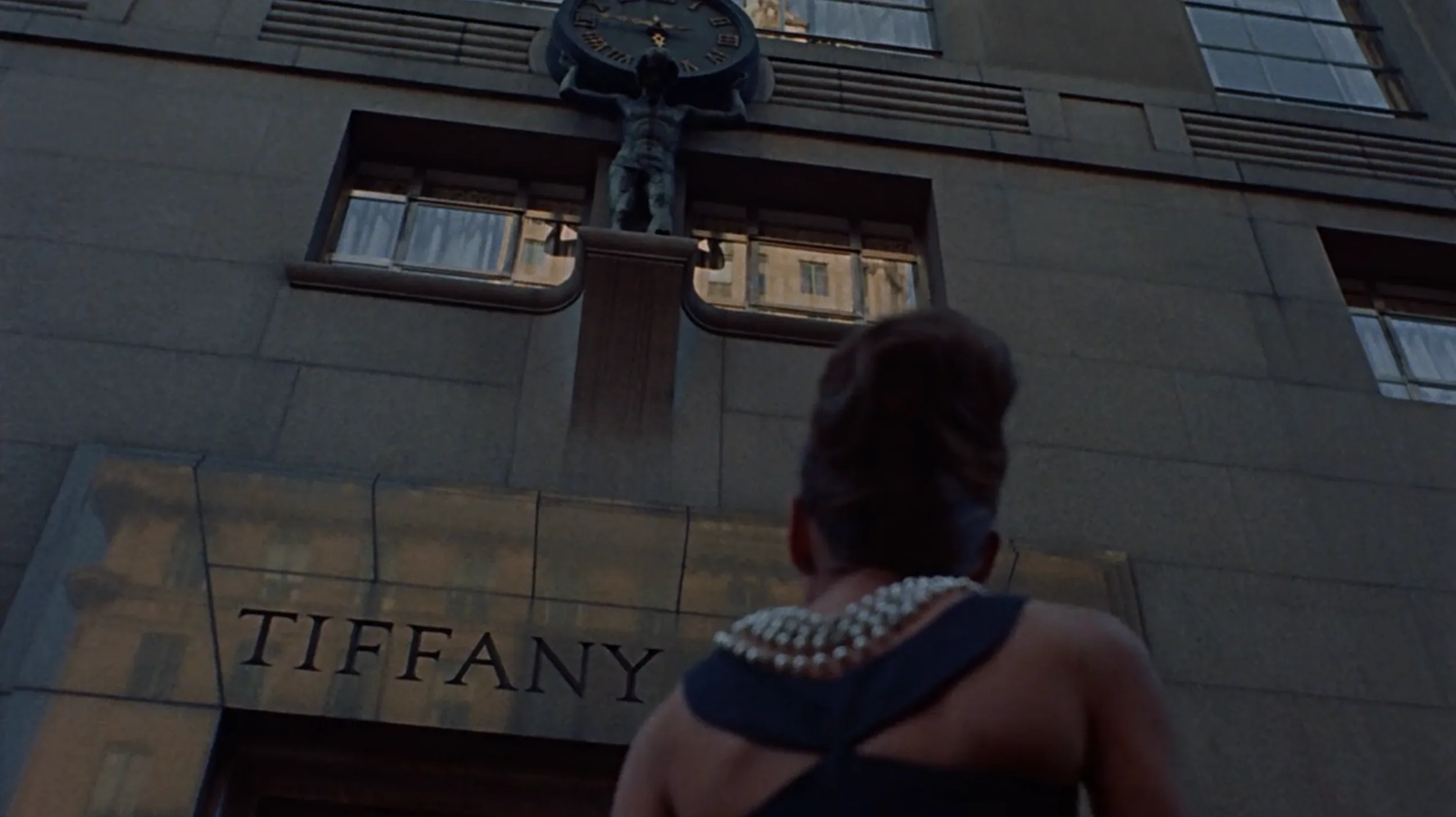
"Breakfast at Tiffany's," released in October 1961 and directed by Blake Edwards, opens with a taxi pulling up outside the Tiffany & Co. flagship store on Fifth Avenue at first light. Audrey Hepburn's character, Holly Golightly, steps out in evening wear, walks to the window in front of the store, and eats a pastry while looking in at the jewelry on display, before the credits have even finished. The sequence, shot on location on 2 October 1960, gave Tiffany its first appearance in a feature film.
Tiffany had not sought out the placement as a marketing exercise in the way a brand might negotiate a product placement deal today; the production simply asked to film outside the store, and Tiffany agreed. According to accounts from people involved in the production, the house was, in its own words, grateful for the attention and the free publicity the finished film generated once it reached audiences the following year.
A store becomes a landmark
The film's opening sequence did more than show the storefront: it gave Tiffany a fixed place in cinema history that the house's own advertising had never attempted to build on its own. Fifth Avenue's Tiffany flagship, already a known address among jewelry buyers, became a recognizable landmark to a much wider audience that had never shopped there and, in most cases, never would, simply because Hepburn had stood in front of it in one of the era's most reproduced opening shots.
The association reinforced a positioning Tiffany had cultivated since the nineteenth century, treating the window and the storefront itself as part of the product, but it did so through a channel entirely outside the house's control. No Tiffany creative director briefed the scene, no Tiffany executive approved the framing shot by shot, and no Tiffany advertising budget paid for the sequence's production, yet the film did more to fix the flagship's image in the public mind than decades of the house's own catalogue photography had managed.
A reference the house still leans on
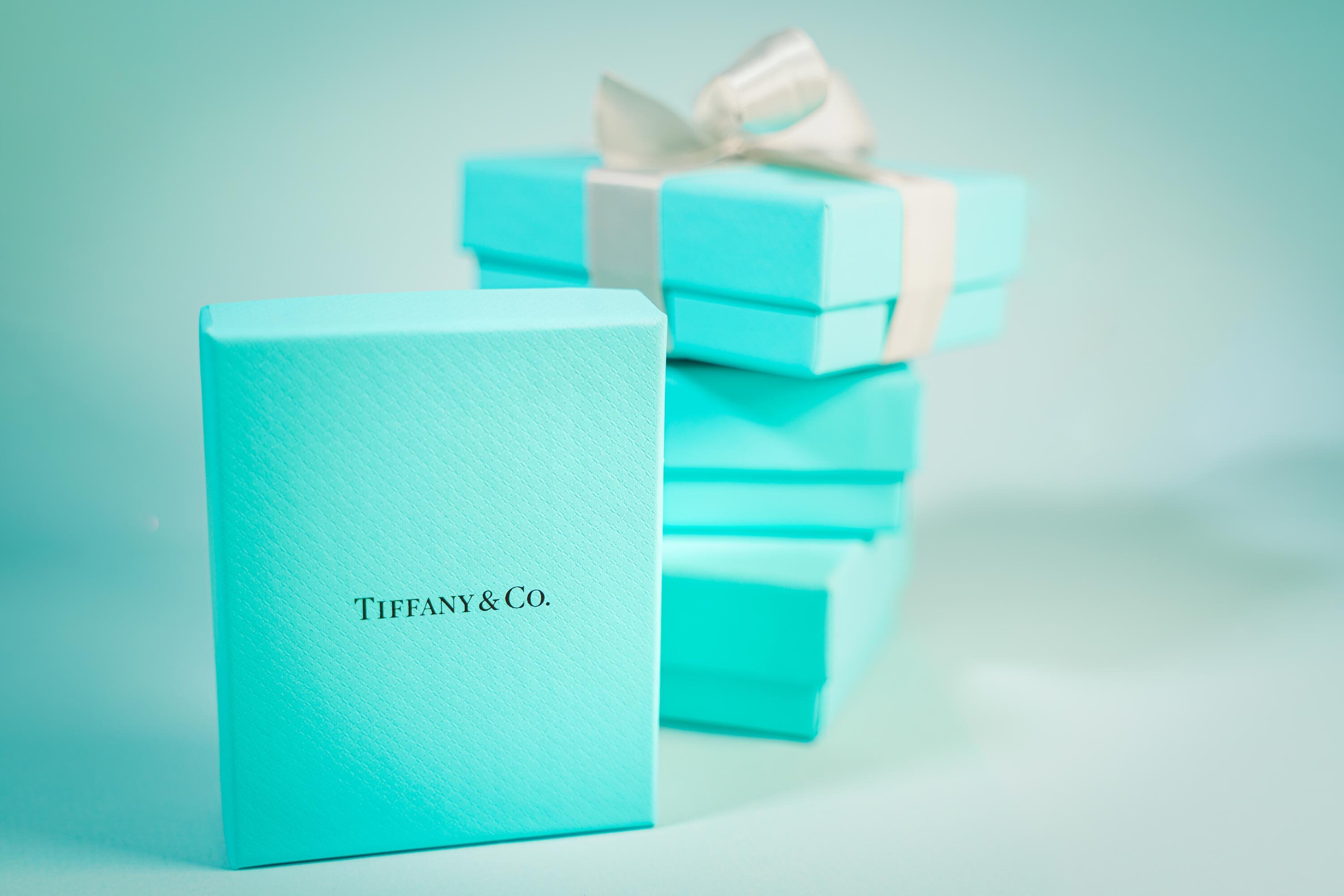
Tiffany has referenced the film in its own marketing at various points since, including window displays and retrospective exhibitions tied to anniversaries of the release, treating "Breakfast at Tiffany's" as part of its own brand history even though the house had no creative authorship over the film itself. That willingness to fold an external cultural artefact into its official story, rather than treating it only as a licensing opportunity, sets the film apart from a typical brand placement.
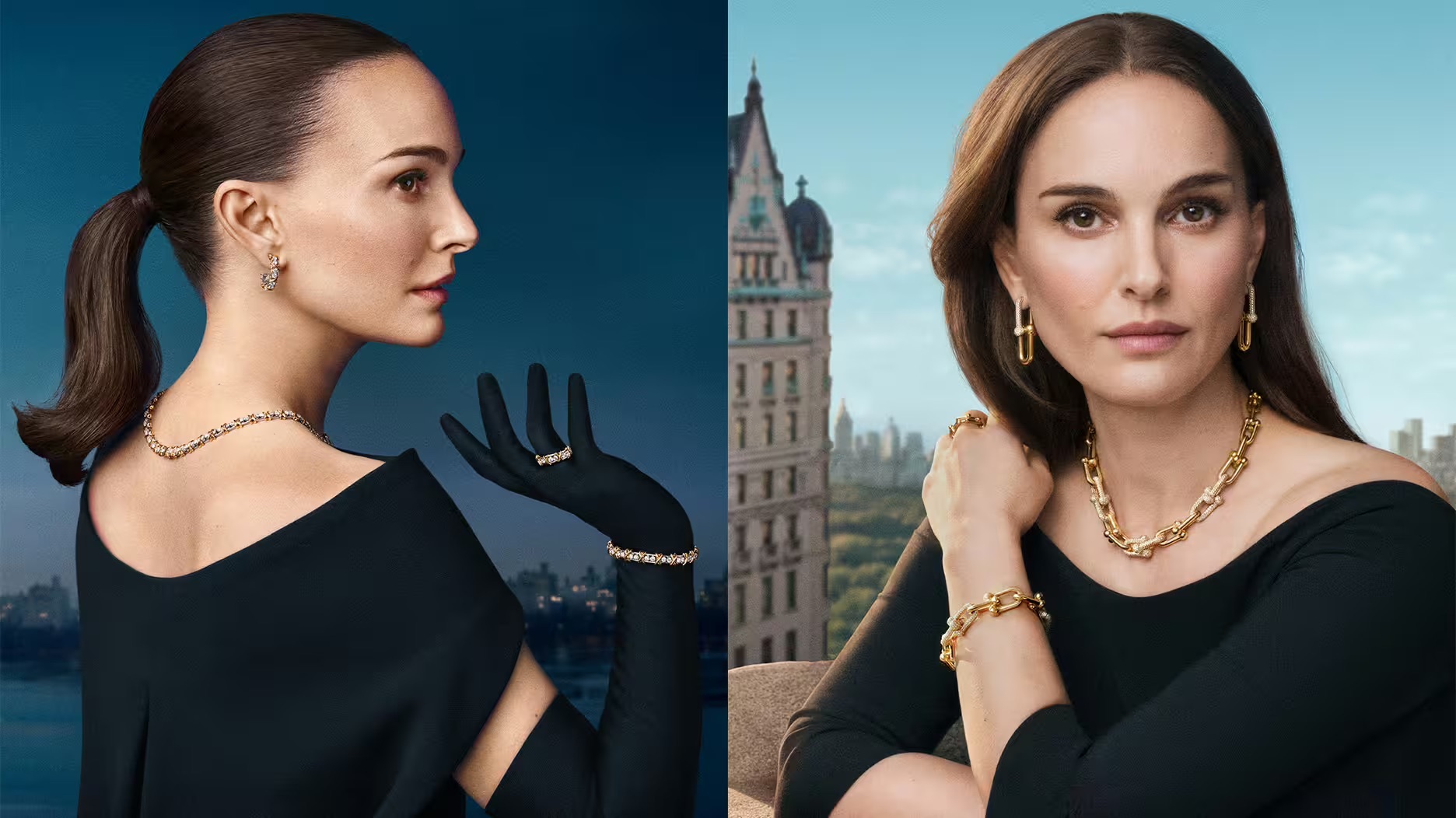
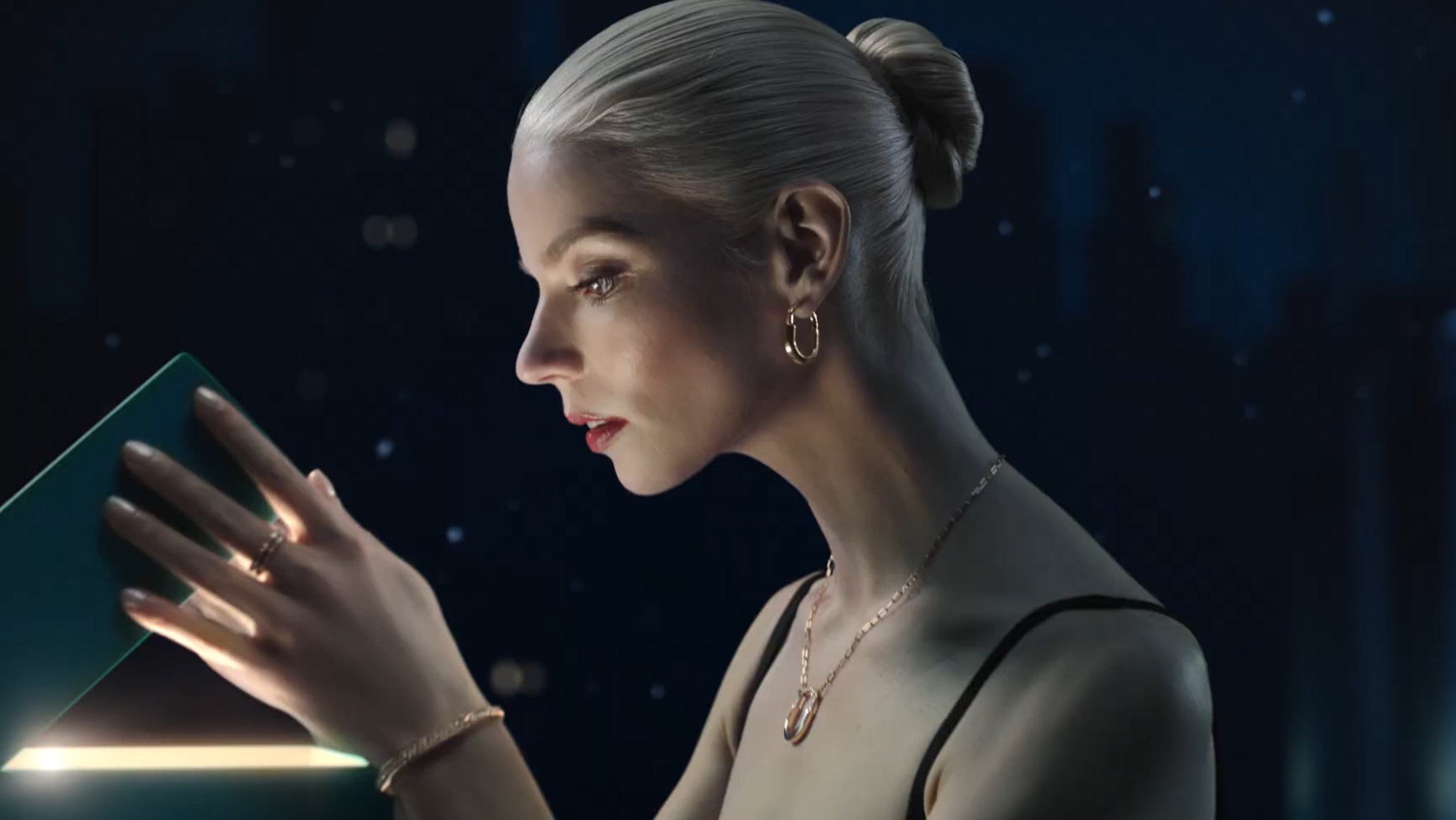
More than sixty years after its release, the film remains one of the most cited examples in marketing literature of a brand benefiting from a cultural association it did not commission and could not have predicted, a contrast to the tightly directed 2026 "Love & Celebration" campaign starring Mikey Madison, which Tiffany produced with full creative control over every detail. The film's continued presence in the house's own storytelling shows how selectively a heritage brand can choose which unplanned moments to adopt as canon.
For a house whose identity was already built substantially around retail theatre, the polished window, the ritual of receiving a small blue box, the free appearance of its own real storefront inside a Hollywood film proved to be one of the most durable pieces of image-building in the company's history, still cited today whenever someone photographs the same Fifth Avenue corner for a fashion editorial or a tourist snapshot.
The opening sequence has also become one of the most visited real-world film locations in New York City, with guided tours and self-directed itineraries routinely including the Fifth Avenue corner outside the flagship as a stop, decades after the scene was filmed. That kind of ongoing tourist traffic, generated by a sixty-plus-year-old film rather than by any current marketing spend, is difficult for a brand to manufacture deliberately and has made the location itself, independent of the film, part of how Tiffany's flagship is discussed in travel and lifestyle media.
Audrey Hepburn's costuming in the film, designed by Givenchy rather than by Tiffany, is frequently credited alongside the Tiffany storefront as one of the two elements that made the opening shot so enduring, a reminder that the sequence's power came from several unrelated creative decisions, the direction, the costume design, the choice of location, converging rather than from any single sponsor's input.
Written with AI assistance, edited by a human. Find out more about our Use of AI.