
A name set to a borrowed melody
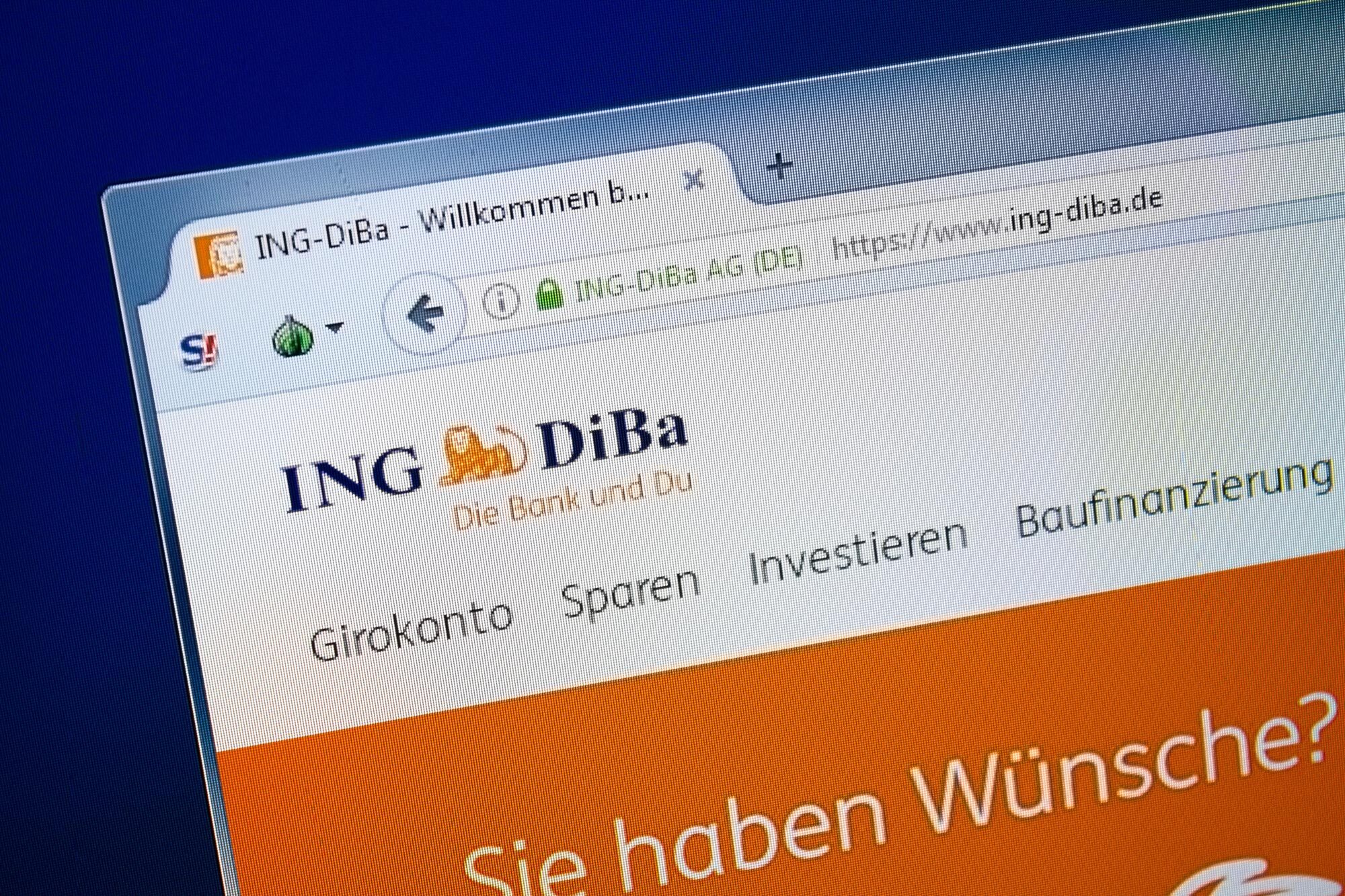
The German bank then trading as Allgemeine Deutsche Direktbank, today ING Deutschland, adopted the short name DiBa in 1999, and in the same year it acquired a way of singing it.2 The sound logo built around the name, three sung syllables usually written DiBaDu, entered the bank's communication and stayed in it for twenty-two years.1
The melodic phrase underneath was not written for a bank. It was based on a theme from Bert Kaempfert's Strangers In The Night. No composer or agency is credited for the adaptation in the published account of the mark.1
The sound carried the name
Most audio marks identify a brand without naming it. A three-note signature, a chord, a voice: the listener has to have learned the association before the sound means anything. This one contained the brand name in full, sung, which removed that step. It also gave the mark a property a melody alone does not have, because a name that has been set to music can be repeated by someone who cannot reproduce a tune.
The 1999 date matters for what it coincides with. The abbreviation and its sung form entered the market in the same year, rather than one being retrofitted to the other.
The claim it came from
The sound was tied to the claim Die Bank und Du, the bank and you. The phrase and the jingle turn on the same syllable. Du is the informal German you and also the last of the three sung syllables, so the claim and the sound logo said the same thing twice, once spoken and once sung.1
The published account of the mark describes it as derived from that brand promise of simplicity, transparency and service, which makes the audio a compression of the positioning rather than a decoration attached to it.1 Die Bank und Du is a claim about the relationship between an institution and a person, and the sound logo ended on the person. The last syllable a listener heard was the one that means you.
A ING advertising playing IND-DiBa's famous sound branding. Source: WerbAll Youtube
Two decades of accumulation
The industry account of the mark is direct. Everyone knew it, everyone liked it, and people began to sing it as soon as someone mentioned the brand. The same account records that despite all the changes the brand went through, the sound remained a familiar constant that characterised the brand identity.1
Those changes were substantial. The bank was bought in stages by a Dutch owner, renamed more than once, and repositioned, with MetaDesign handling brand work around 2010.1 German trade press later dated the jingle's use as the closing signature of every television spot to 2010,4 eleven years after the creation date given by the sound industry record. The mark existed for a decade before it became the fixed last thing in an advertisement.
On 25 July 2018 the bank announced that it would drop DiBa from its name and trade under the group name as ING Deutschland from November, and the announcement confirmed that the sound branding would be retained.3 The bank retired a word and kept a recording of that word being sung. A jingle is not used as a name. It is used as a signature, and a signature identifies its owner without needing to remain a correct description of them.
Withdrawn in 2021
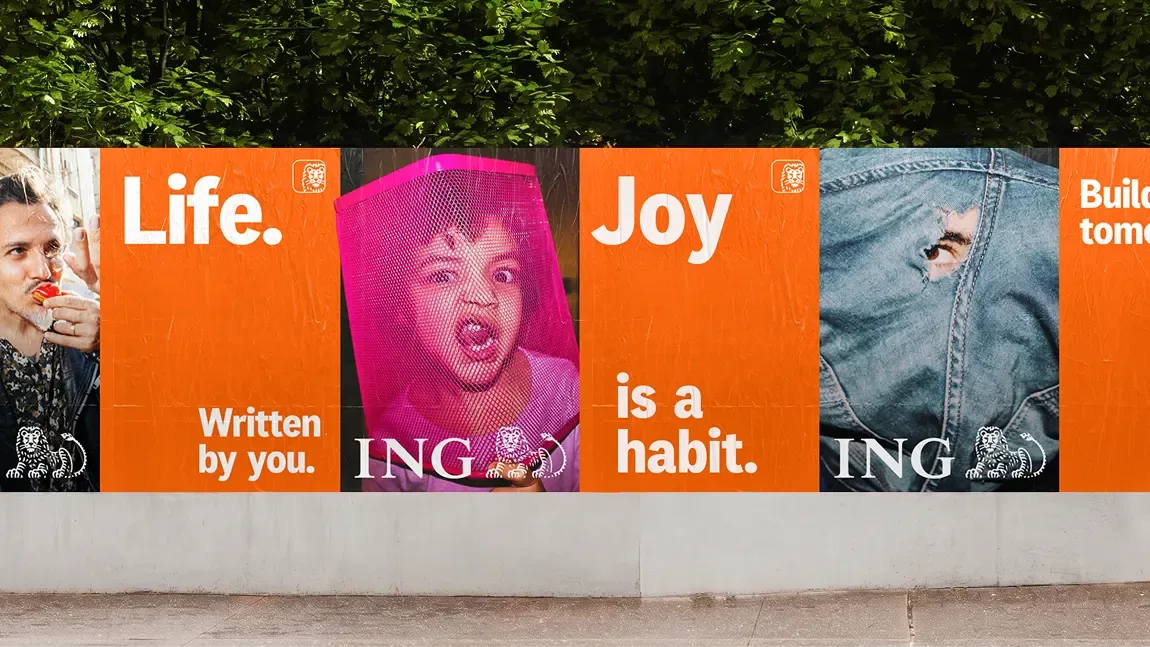
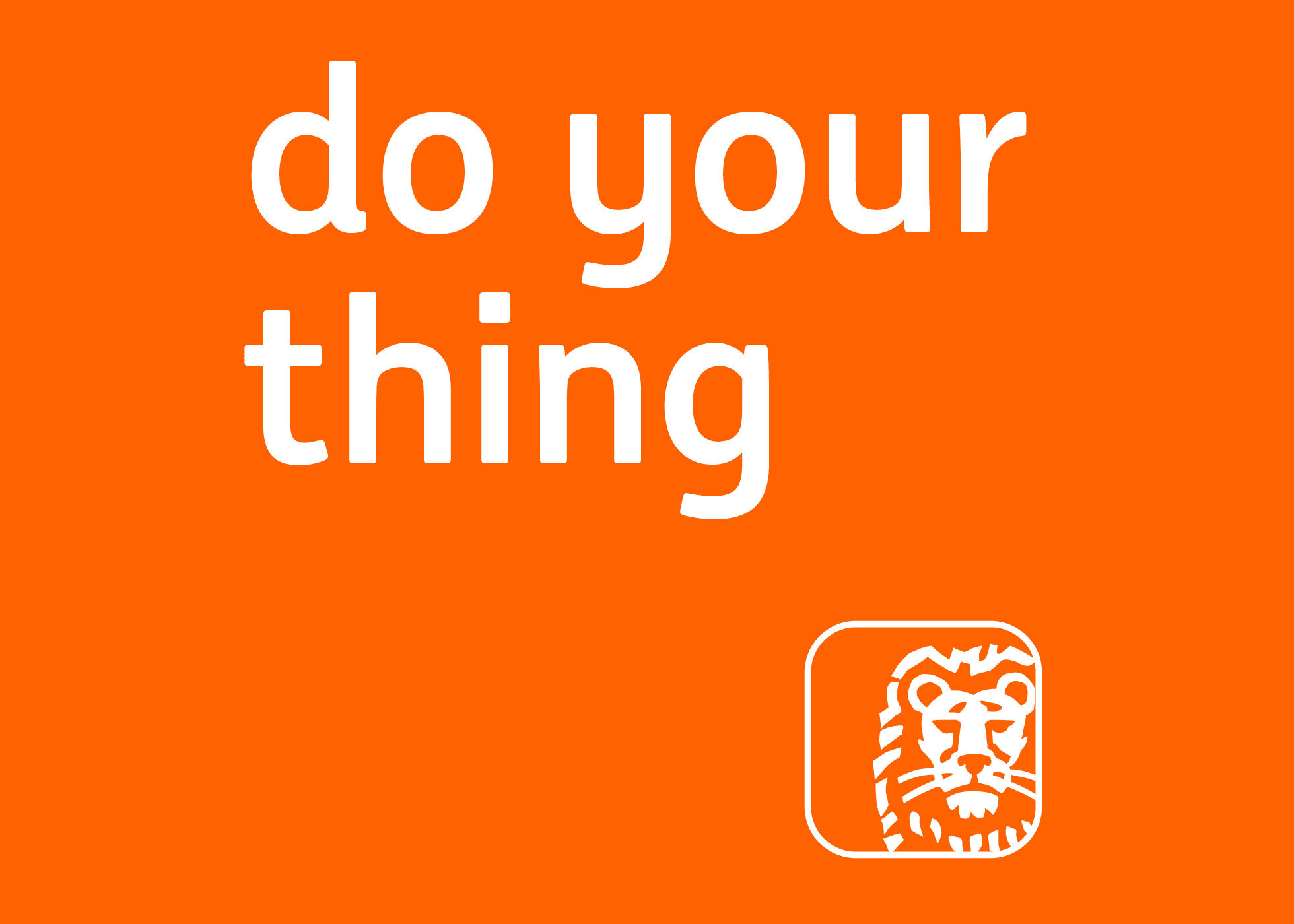
The sound did not survive the next step. On 2 September 2021 the German trade press reported that the jingle had been taken out of the bank's advertising with the campaign then launching.45 The reason ING gave was its new brand direction, which it said expressed the aim of enabling people to be a step ahead in their private and business lives.4 The context was the global claim do your thing, launched in January 2020, and the alignment of the German business with the group's international communication. Horizont reported at the same time that a new brand sound had been produced, without describing it.5
The sequence explains the decision. The jingle was built out of a name the bank no longer used and out of a claim it no longer made, and both had been replaced before it was withdrawn. What kept it in place after 2018 was recognition rather than accuracy, and recognition is an argument for keeping an asset, not an argument for keeping it inside a communication system designed somewhere else.
What twenty-two years cost to give up
A sound logo is inexpensive to commission and difficult to substitute, because its value is a function of how many times it has been heard rather than of what it cost to make. The German business spent twenty-two years accumulating that exposure and then set it aside in favour of a system shared across the group's markets. Horizont reported that the bank was confident brand recognition would not suffer.5
That confidence cannot be checked from outside. Nothing in the public record measures what the jingle was worth at the moment it was removed.
The new Sound Branding. Source: ING Deutschland Youtube
Written with AI assistance, edited by a human. Find out more about our Use of AI.
1. International Sound Directory, "DiBaDu, A Brand Promise Made Audible", accessed 14 September 2026, for the creation of the sound logo in 1999 alongside the launch of the Direktbank brand name, its basis in a theme from Bert Kaempfert's "Strangers In The Night", its derivation from the claim "Die Bank und Du" and that claim's meaning of simplicity, transparency and service, MetaDesign's brand work around 2010, and the descriptive account reported in the body: that everyone knew it and liked it, that people begin to sing it as soon as someone mentions the brand, and that "despite all changes the brand went through, the sound remained as a familiar constant that characterises the brand identity". https://www.international-sound-directory.com/project/dibadu-a-brand-promise-made-audible/
2. Wikipedia (German), "ING Deutschland", accessed 14 September 2026, for the short name DiBa dating from 1999. https://de.wikipedia.org/wiki/ING_Deutschland
3. Designtagebuch, "Aus ING-DiBa wird ING, am bisherigen Sound-Branding wird festgehalten", 25 July 2018, for the announcement of the rename, its effect from November 2018 and the explicit retention of the sound branding at that point. https://www.designtagebuch.de/aus-ing-diba-wird-ing-am-bisherigen-sound-branding-wird-festgehalten/
4. meedia, "ING streicht nun auch sein Soundbranding aus der Kommunikation", 2 September 2021, for the removal of the jingle from the bank's advertising, for the statement that it had closed every spot since 2010, and for the reason given by the bank. The wording is translated from the German original: "Die neue Markenausrichtung bringt unser Ziel zum Ausdruck, Menschen zu befähigen, im Privat- und im Geschäftsleben einen Schritt voraus zu sein." https://meedia.de/news/beitrag/4244-ing-streicht-nun-auch-sein-soundbranding-aus-der-kommunikation.html
5. Horizont, "Bye bye Dibadu: Die ING beerdigt ihren Markensound", 2 September 2021, for the retirement of the jingle with the campaign launched that month, for the production of a new brand sound, and for the bank's stated confidence that brand recognition would not suffer. Partly paywalled; only the accessible portion is used. https://www.horizont.net/marketing/nachrichten/bye-bye-dibadu-die-ing-beerdigt-ihren-markensound-194051