
Retiring half of a compound
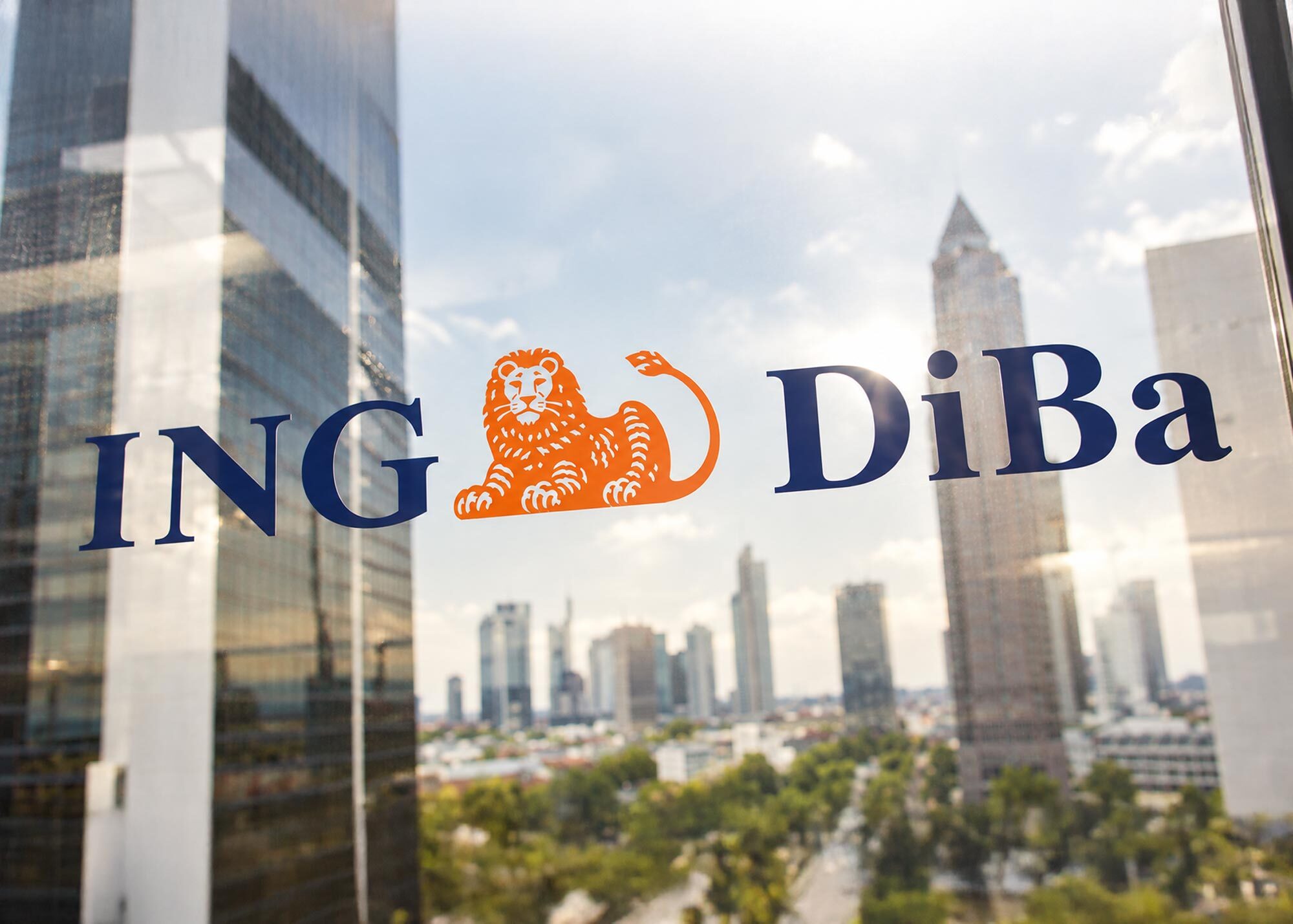
On 25 July 2018 the German bank ING-DiBa announced that from November it would trade under the name of its Dutch parent, as ING Deutschland. The compound had been in use since 2004, and the syllable being removed was the older of the two, in use in Germany since 1999.
The bank gave one reason, and it was the group's rather than the German market's. ING Groep wanted to offer a single customer experience across its markets and to carry the logo already used by its Dutch parent, and it said that nothing would change for customers.
Which part of the name went
DiBa was the contraction of Direktbank, the term the German business had used since renaming out of its 1965 charter name. ING is an abbreviation of Internationale Nederlanden Groep, attached in 2004 as a prefix to the existing German name after the Dutch group completed its purchase.
So the part removed was the one with the local history and the part kept was the one with the corporate logic. That is the direction a group takes when it is optimising for a shared asset across markets rather than for any single market's inheritance.
The phrasing of the reason is worth reading closely. A single customer experience and a shared logo are both group-level goods. Neither describes an improvement to the German business, and the bank did not claim one, adding only that nothing would change for customers.
The compound as a permanent state
Compound names of this kind are usually transitional, applied while an acquired business is absorbed and dropped once the parent brand can stand alone. This one lasted 14 years, which is long enough that it had stopped reading as a transition.
The German business had also outgrown the descriptive half in scope if not in wording. It had passed one million customers in 2002 and eight million by 2013, and in 2007 it had begun describing itself as Germany's most popular bank. The word Direktbank inside DiBa named a channel, and the channel was no longer the distinguishing thing about the business.
The four month gap between the announcement in July and the change in November is the other detail. Nothing in the business changed during it. The interval existed so that customers, staff and partners would encounter the new name before it replaced the old one everywhere, which is what an interval is for when a change asks for recognition rather than for a decision.
What was kept
The bank made a point of one exception. The sound branding, built on the DiBa name and in use in German communication since 1999, was retained through the change.
That is worth isolating, because it separates two things normally treated as one. The name was retired as a word and kept as a sound. Everything else the German business used from November was the group's: the ING wordmark and the lion that goes with it.
Source: W&V Youtube
A rename, not a repositioning
What did not happen is as clear as what did. The bank announced no new claim, no new strategy and no new customer promise alongside the name, and it stated that nothing would change for customers. The proposition built under DiBa was carried across and relabelled.
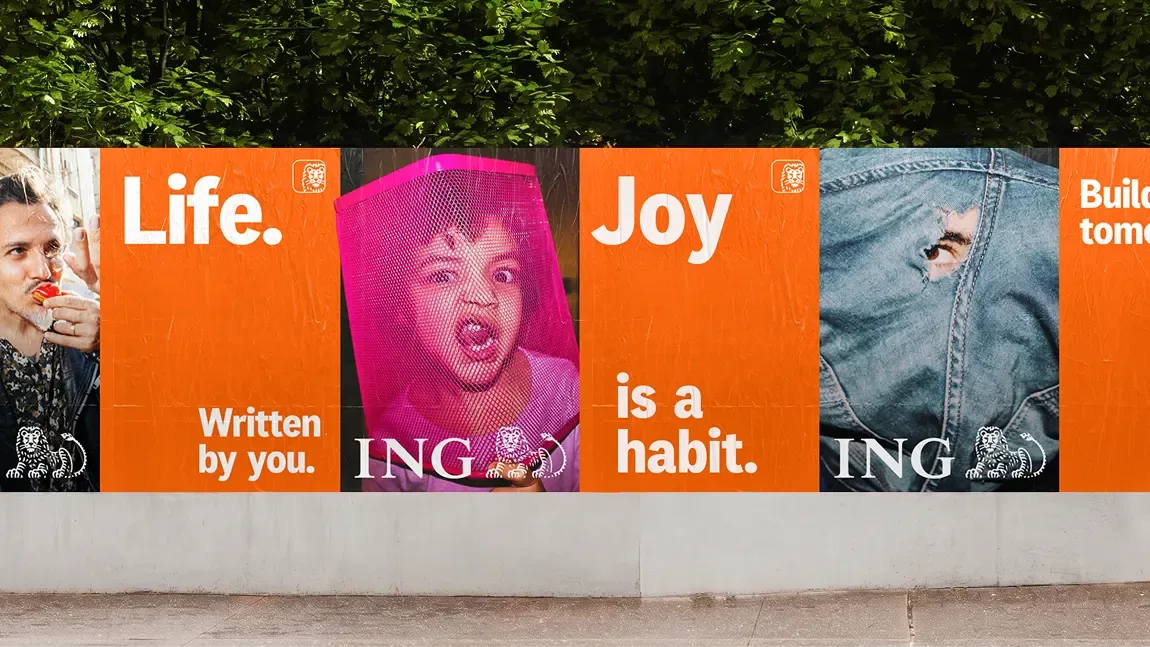
That is the narrowest form a rename can take. It also concentrates the burden of continuity onto whatever is not changing, which in this case was the colour, the mark, the advertising and a jingle the bank had just confirmed it would keep.
What the announcement does not contain is as informative as what it does. There is no figure for what the German name was worth, no account of what was weighed against it, and no transition beyond a date. A rename presented without any of that is a rename presented as an administrative consequence of a group decision rather than as a judgement about the German market.
An architecture decision, not a German one
After November 2018 the German business was ING Deutschland, a market entity under the group name rather than a locally named subsidiary with a foreign owner. The stated reason, one customer experience and one logo across markets, describes a group structure rather than a German market problem.
The reversal has a symmetry worth noting. Read against the bank's own history, the sequence is unusual in one respect. The German name had not been inherited from an acquisition and left in place out of inertia. It had been built after the acquisition, in 2004, by a Dutch owner who had already held the company outright for a year. The compound was a decision, and 14 years later it was reversed.
Written with AI assistance, edited by a human. Find out more about our Use of AI.