
The gamble that defined a studio
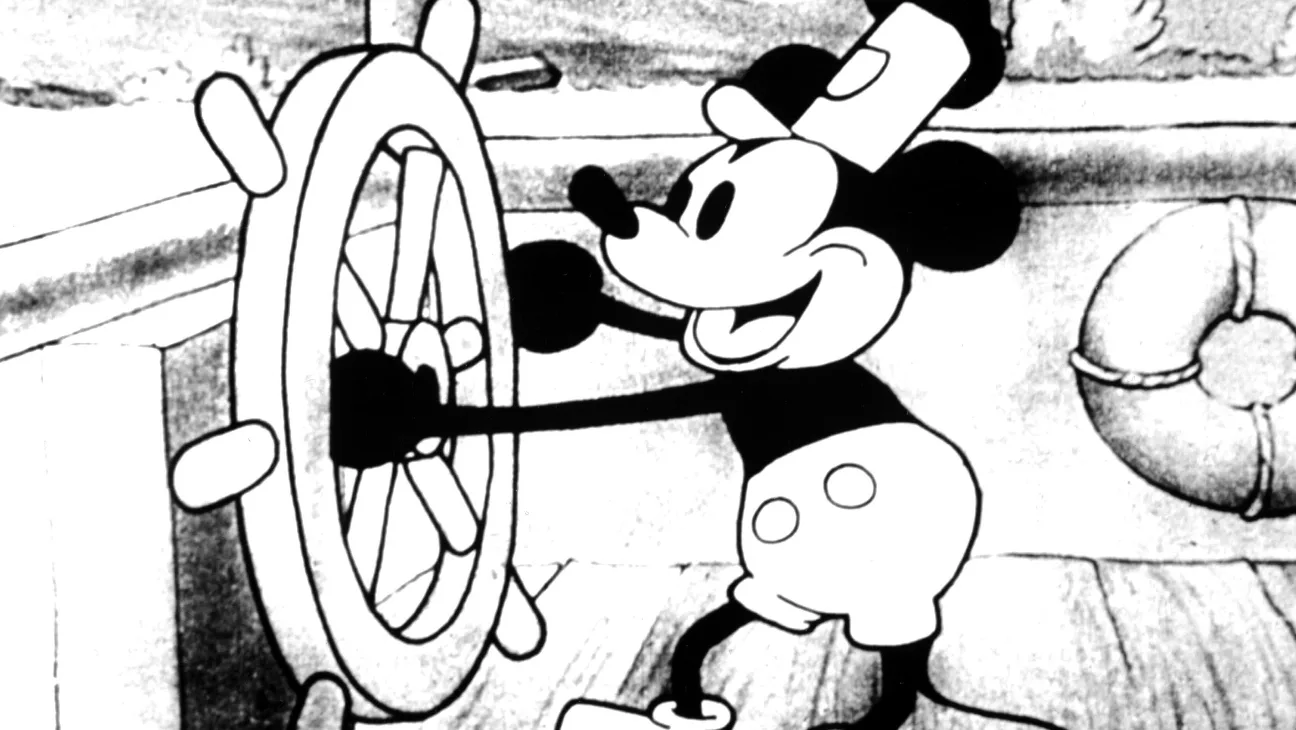
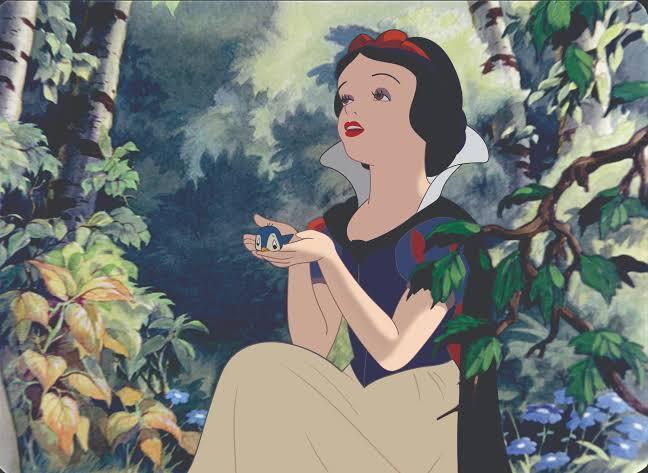
On 21 December 1937, Walt Disney Productions premiered Snow White and the Seven Dwarfs in Los Angeles. It was the first full-length cel-animated feature film produced in the United States, and its release opened what is now remembered as the Golden Age of Animation, the period that established Disney not merely as a maker of cartoons but as a storytelling brand with feature films at its centre.
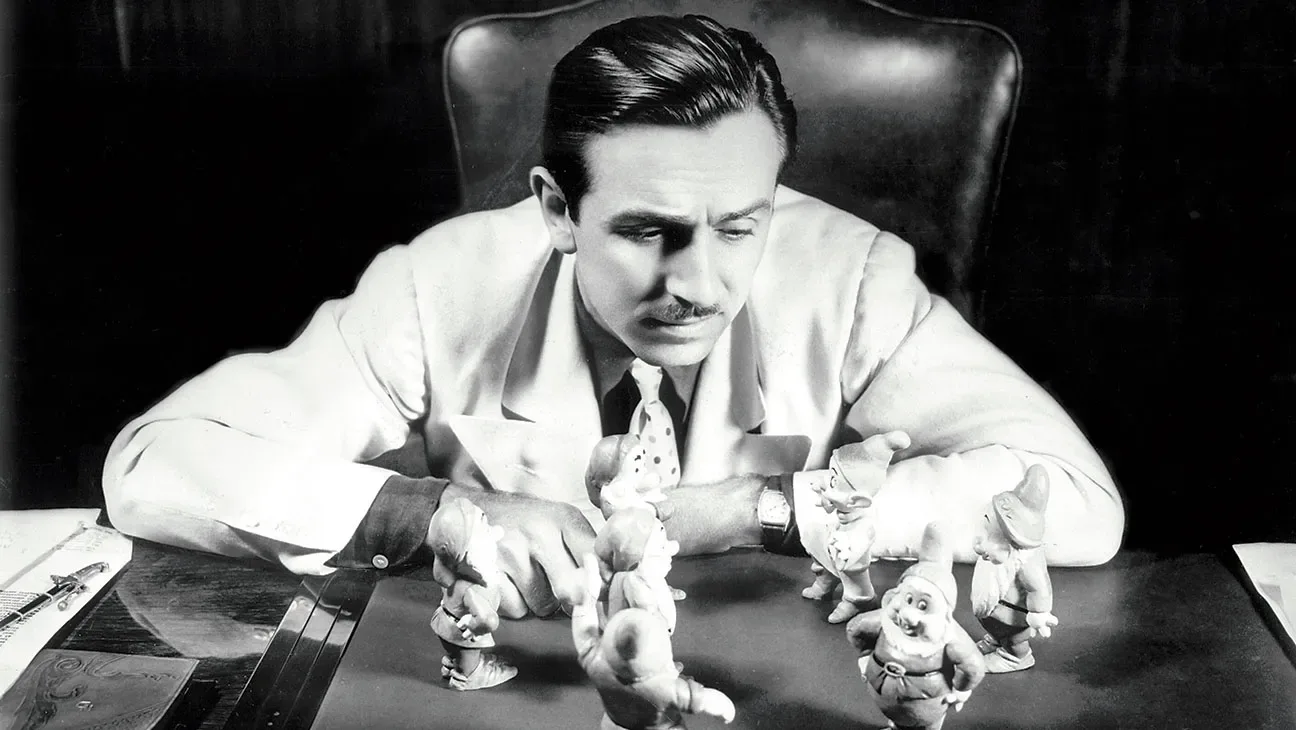
The film was a considerable risk. Animation in the 1930s meant short cartoons shown before the main feature, and the industry widely doubted that audiences would sit through more than an hour of drawn animation. The production was so uncertain that it was referred to in Hollywood as Disney's Folly. The studio poured resources into it far beyond its original budget, developing new techniques and standards along the way. When Snow White succeeded, both critically and commercially, it did not just recoup its cost. It validated an entire form and set the terms for what a Disney film would be.
Building a brand on craft
What made the Golden Age distinctive was the elevation of animation into a medium capable of emotional depth. To bring Snow White to the screen, Disney's artists refined the multiplane camera, a device that filmed several layers of artwork at different depths to create a sense of dimensional space, giving backgrounds a richness that flat cels could not achieve. The studio also invested heavily in the study of movement, character acting and the illusion of weight and life, disciplines that would later be codified as principles of animation.
This commitment to craft became a core part of the Disney brand. The studio was not simply producing entertainment; it was presenting animation as an art form worthy of the same care as live-action cinema. That positioning distinguished Disney from its competitors and established a reputation for quality that the company would draw on for decades. The name Disney began to stand for a particular standard of imagination and finish, an association the company has protected ever since.
A run of defining films
Snow White was the beginning of a remarkable sequence. Over the following years, the studio released Pinocchio and Fantasia in 1940, Dumbo in 1941 and Bambi in 1942, each pushing the technical and emotional boundaries of the medium in different directions. Fantasia paired animation with classical music in an ambitious experiment, while Dumbo and Bambi demonstrated how much feeling could be carried by animated characters. Together, these films formed the first great body of work in the Disney feature canon.
The era was not without difficulty. Several of these films struggled at the box office on first release, and the outbreak of the Second World War disrupted international markets and diverted the studio's resources toward wartime and training films. The concentrated creative momentum of the late 1930s and early 1940s slowed, and the studio would not return to that level of feature production consistently for some years. Yet the standard set during this period endured.
The foundation of everything that followed
The Golden Age matters to the Disney brand because it created the template. The characters, the fairy-tale source material, the songs and the emotional storytelling that audiences now associate with Disney were largely defined in this window. The commercial model that would sustain the company, feature films that generate not only ticket sales but licensing, merchandise and, later, theme-park attractions, also has its roots here. Snow White herself became one of the first Disney characters to be merchandised on a large scale.
Later chapters in the company's history, including the celebrated Disney Renaissance of the late 1980s and 1990s, are best understood as returns to the promise of the Golden Age rather than departures from it. When the studio revived its fortunes decades later, it did so by rediscovering the combination of ambitious animation, strong songs and fairy-tale storytelling that Snow White had first proven viable.
Seen from the present, the premiere of December 1937 reads as the moment Disney became Disney. The studio had made its name on short cartoons and a mouse, but it was the feature-length gamble of Snow White that turned a small animation house into a storytelling brand, and that established the standard of craft the company still measures itself against.
Source: Animation Compendia Youtube
Written with AI assistance, edited by a human. Find out more about our Use of AI.