
A pattern designed to be invisible
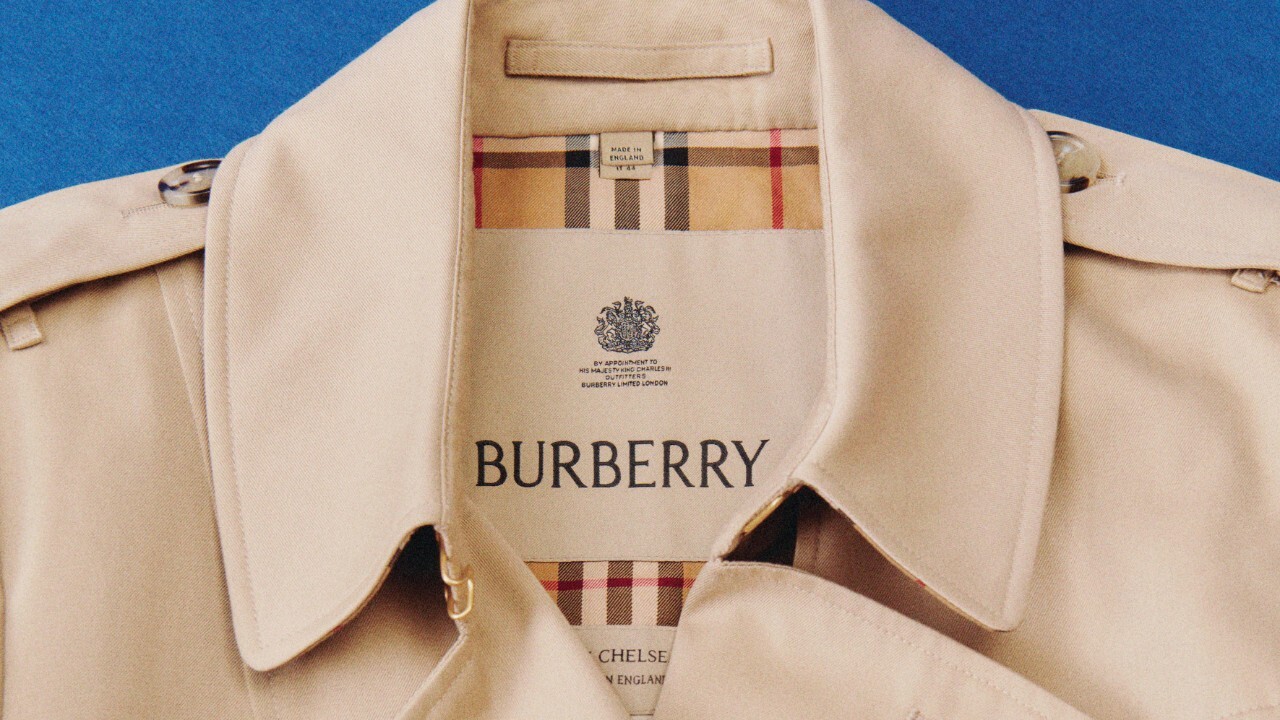
In 1924 Burberry registered as a trademark the camel, black, white and red tartan check that would become one of the most widely recognised patterns in fashion. At the moment of registration the check was not the public face of the brand. It was the lining sewn inside the company's gabardine trench coats, visible only when the coat was open or when its wearer turned up the collar. The decision to protect it as intellectual property indicated that Burberry already considered the lining to be more than ornament. It was a mark of authenticity, sewn into a garment whose exterior carried no other branding.
The pattern's geometry was rooted in Scottish tartan tradition. Camel as the base colour echoed the gabardine outer shell. The black grid carried the visual weight, the white intersected with sharp clarity, and a single red line introduced a deliberate accent that allowed the pattern to be identified at a distance. The exact origin of the design has never been documented in detail, but the system was settled by the early 1920s and has remained intact, with only minor refinements, ever since.
From lining to symbol
For more than half a century the check stayed inside the coat. Burberry advertisements between the 1920s and the 1960s rarely showed the lining, and the brand's external identity revolved around the Equestrian Knight Design adopted in 1901. The check played a role similar to the lining of a Hermès orange box or the soles of Christian Louboutin shoes decades later. It was a private signal of provenance rather than a declarative logo.
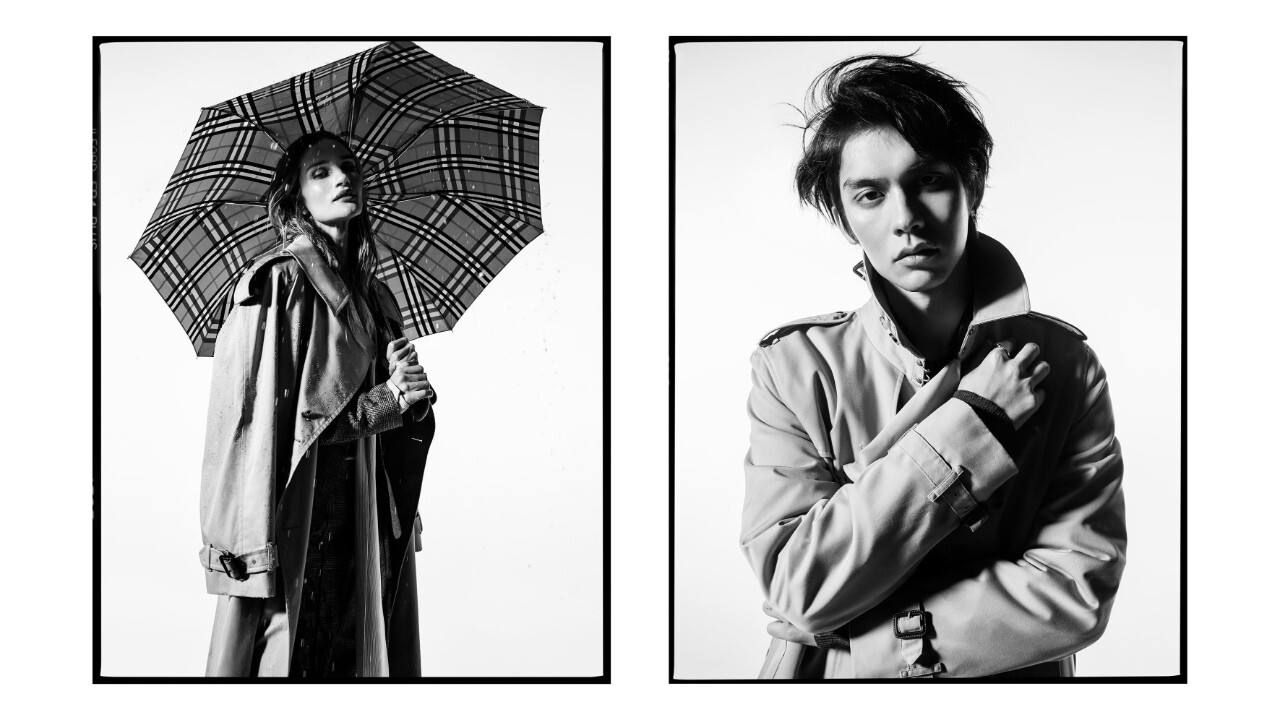
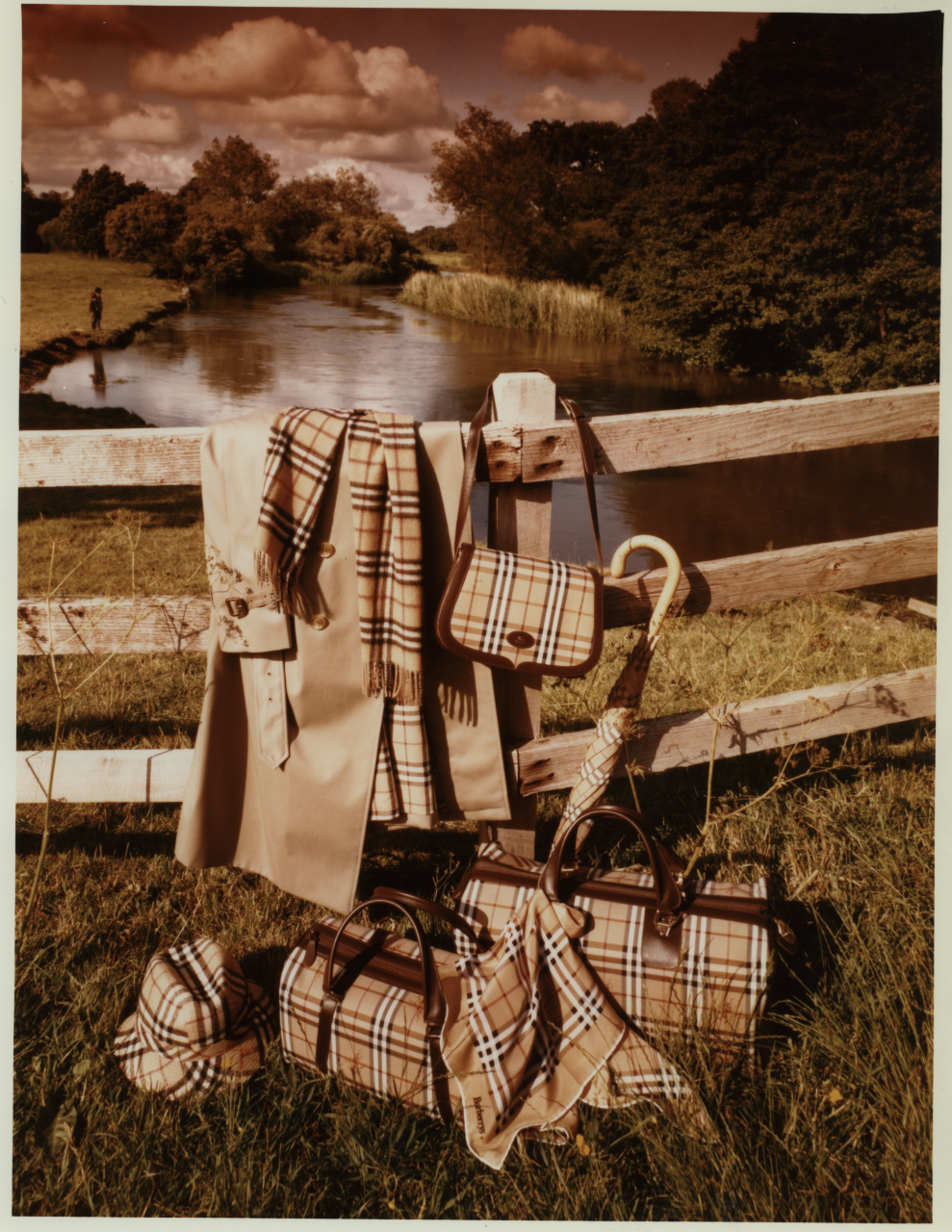
The pattern's migration to the outside of garments began gradually in the 1960s and accelerated through the 1970s and 1980s as Burberry expanded its accessory and licensing programmes. Umbrella canopies, scarves, luggage and small leather goods carried the check with increasing prominence. The pattern's ability to function across product categories made it a useful cross-portfolio identifier at a time when many British heritage brands were extending into licensed territory.
The 1990s overexposure problem
By the late 1990s the check had become a victim of its own popularity. Counterfeit goods spread the pattern across markets it had never been designed for, and in the United Kingdom it acquired an unwanted association with a particular subcultural style. Tabloid coverage labelled the phenomenon, sometimes unkindly, and the brand found itself in the unusual position of having a trademark that was both globally recognised and reputationally fragile.
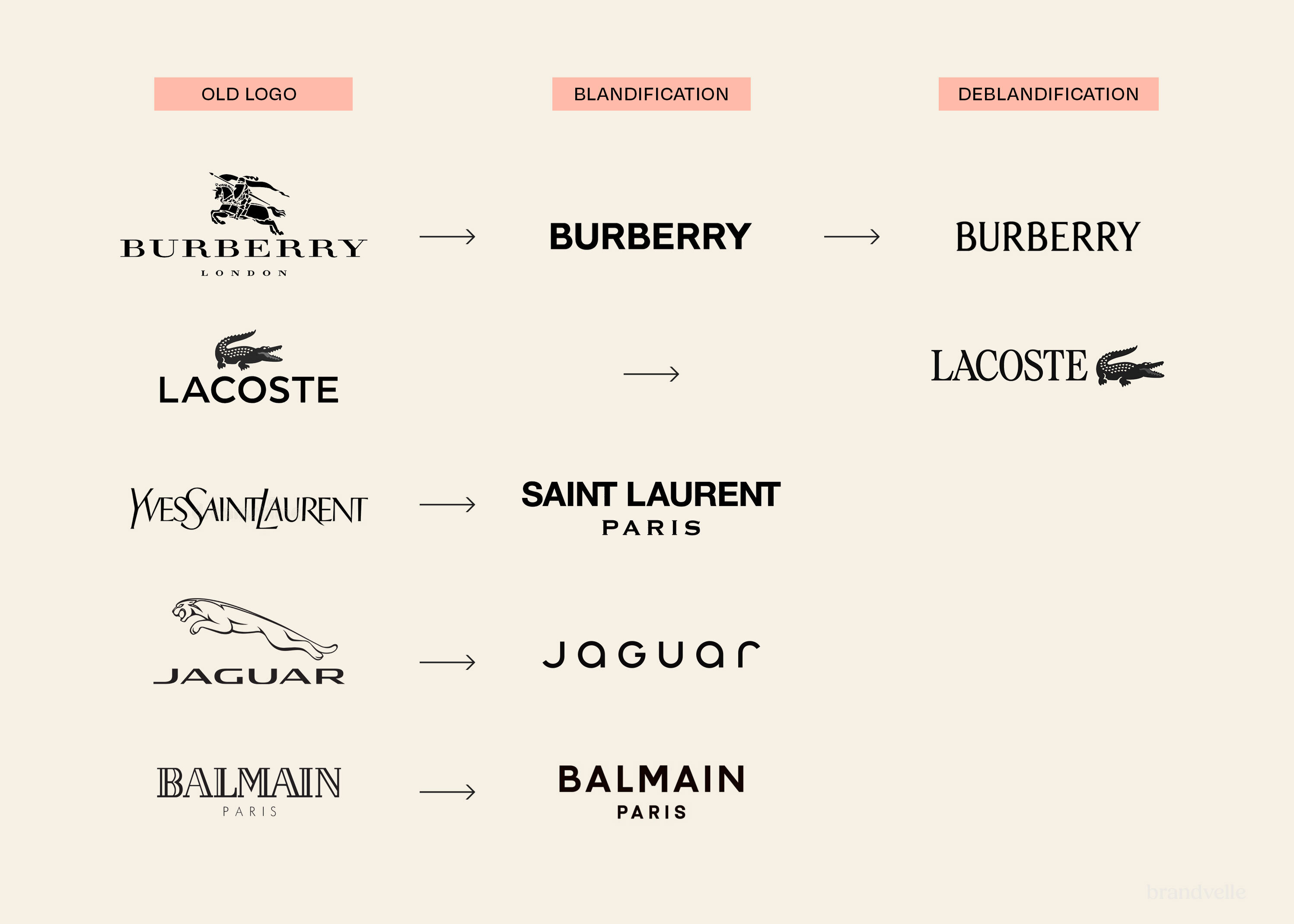
Christopher Bailey, who joined as design director in 2001 and became Chief Creative Officer in 2009, addressed the situation by sharply reducing the visible use of the check. Industry reports from the period indicate that the pattern at one point appeared on a small fraction of the company's products. The check was not abandoned. It was rationed, kept for selective placements, while the brand's public face shifted to outerwear, the Prorsum runway line and the Equestrian Knight wordmark.
Restoration and re-coding
Each subsequent creative leadership at Burberry has had to take a position on the check. Riccardo Tisci, appointed in 2018 with Peter Saville advising on identity, introduced a new monogram pattern based on the initials of Thomas Burberry while continuing to use the historic check in selected ranges. Daniel Lee, appointed Chief Creative Officer in 2022, restored the Equestrian Knight to the wordmark in 2023 and brought the check back into focus across outerwear, scarves and bags, often in enlarged or recoloured variations.
The 1924 trademark, more than a hundred years old at the time of writing, has therefore moved through several distinct phases. It began as a hidden mark of authenticity, became a publicly worn signature of British heritage, suffered a period of overexposure and counterfeiting, and was then carefully re-coded by successive creative directors. Throughout these phases the underlying registration has remained the same set of camel, black, white and red lines.
For brand strategists, the trajectory of the Burberry Check is a long-form lesson in the management of a trademarkable pattern. A textile design protected as intellectual property is rarely allowed to remain still. It carries the weight of every cultural moment it passes through, and the brand around it is judged on how it responds. The check's continuing visibility across Burberry's contemporary collections suggests that, even after a century, the original 1924 registration is still the most distinctive single asset the company owns.

Written with AI assistance, edited by a human. Find out more about our Use of AI.