
A ball designed for the screen
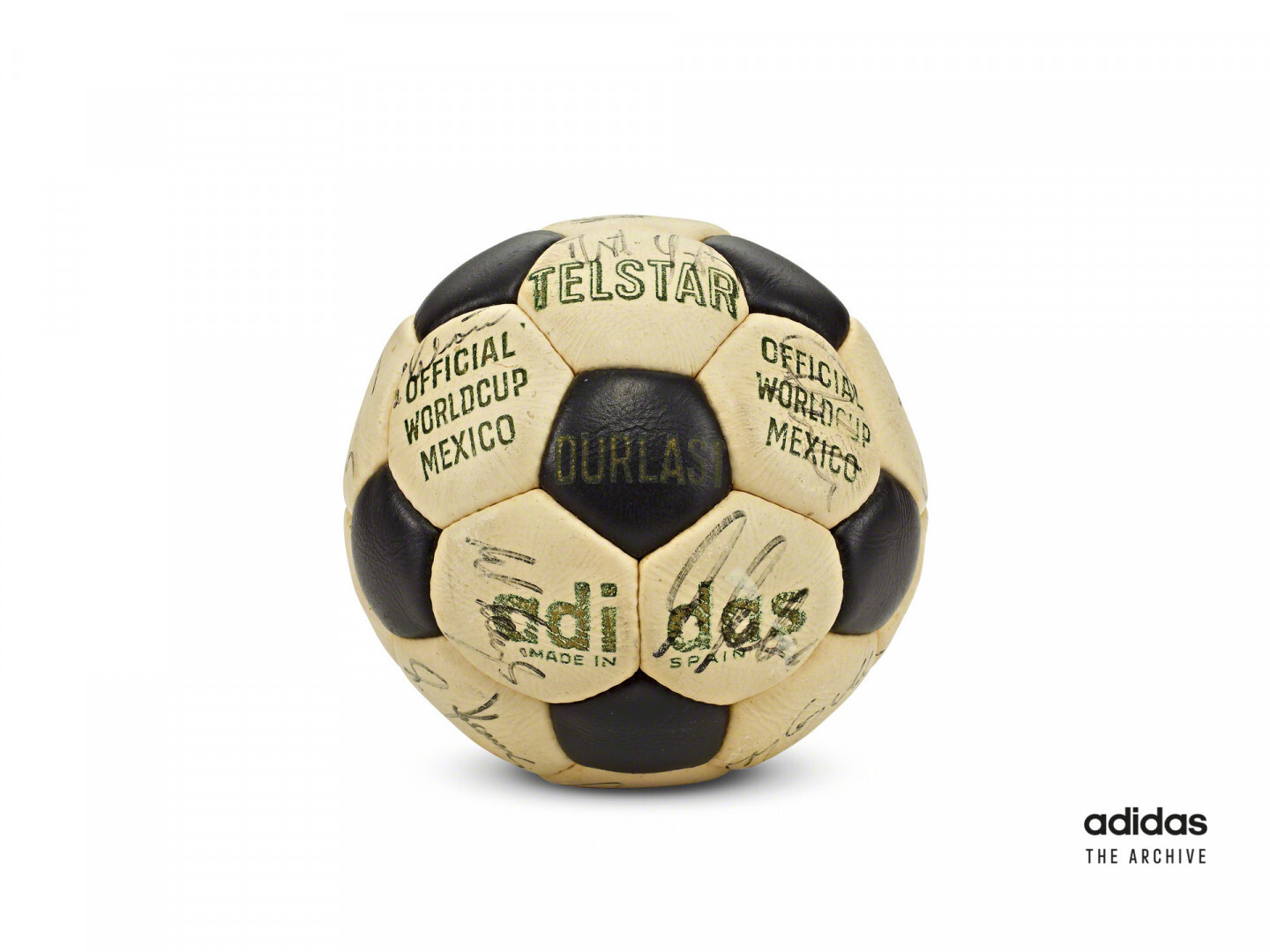
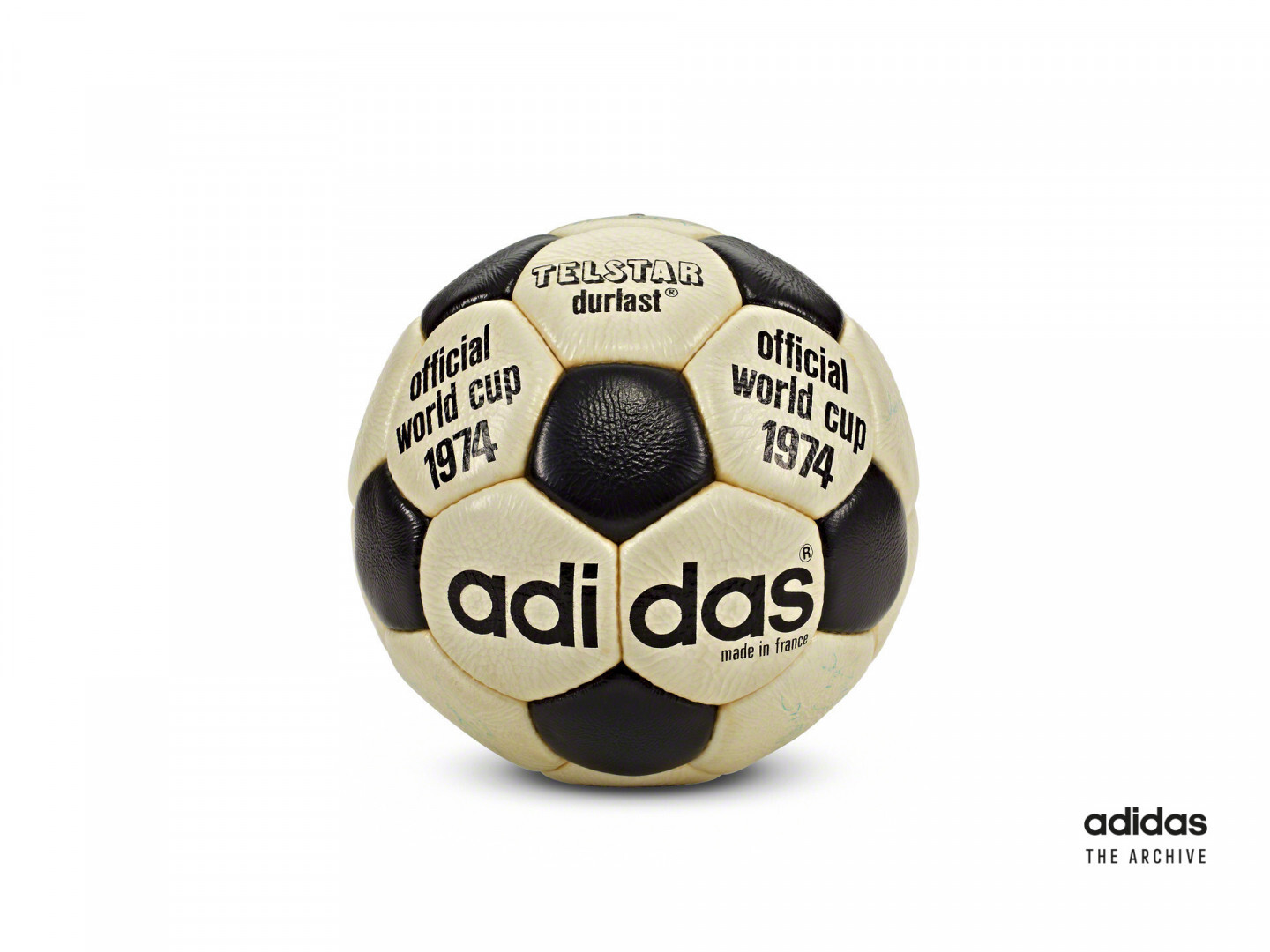
The adidas Telstar, the official match ball of the 1970 FIFA World Cup in Mexico, is one of the most influential pieces of sports design ever made.1 Its pattern of 12 black pentagons and 20 white hexagons across 32 panels was created for a specific reason: to be visible on black and white television.1, 2, 3 The name made the point, since Telstar was short for television star, borrowed from the communications satellite.1, 3, 4 adidas had designed a ball to perform not only on the pitch but on the broadcast.
The decision reflected a shift in how football was consumed. The 1970 tournament was among the first widely televised World Cups, and a ball that stood out on screen served both the game and the growing television audience.1, 5 By solving that problem, adidas produced a design whose clarity made it instantly legible to millions of viewers at once.
The design that became universal
The Telstar pattern went far beyond a single tournament. It became the default mental image of a football worldwide, to the point that when people are asked to draw a soccer ball, the overwhelming majority reproduce the black and white Telstar arrangement.1, 4 Few commercial designs have ever achieved that level of universal recognition, and fewer still have become the generic symbol for the object itself.
For a brand, owning the design that defines an entire category is an extraordinary position. The Telstar was an adidas product, yet it became the archetype of the football in general, blurring the line between the brand's design and the universal idea of the game. That association linked adidas permanently to the sport at its most fundamental level.
The design's longevity compounded the effect. Even as later balls adopted colour, new panel shapes and printed graphics, the black and white Telstar remained the reference point against which every football is still measured. A brand rarely gets to define the default form of an object so completely, and that definitional power kept adidas at the centre of the sport's imagery long after the 1970 tournament ended.
An unbroken supply relationship
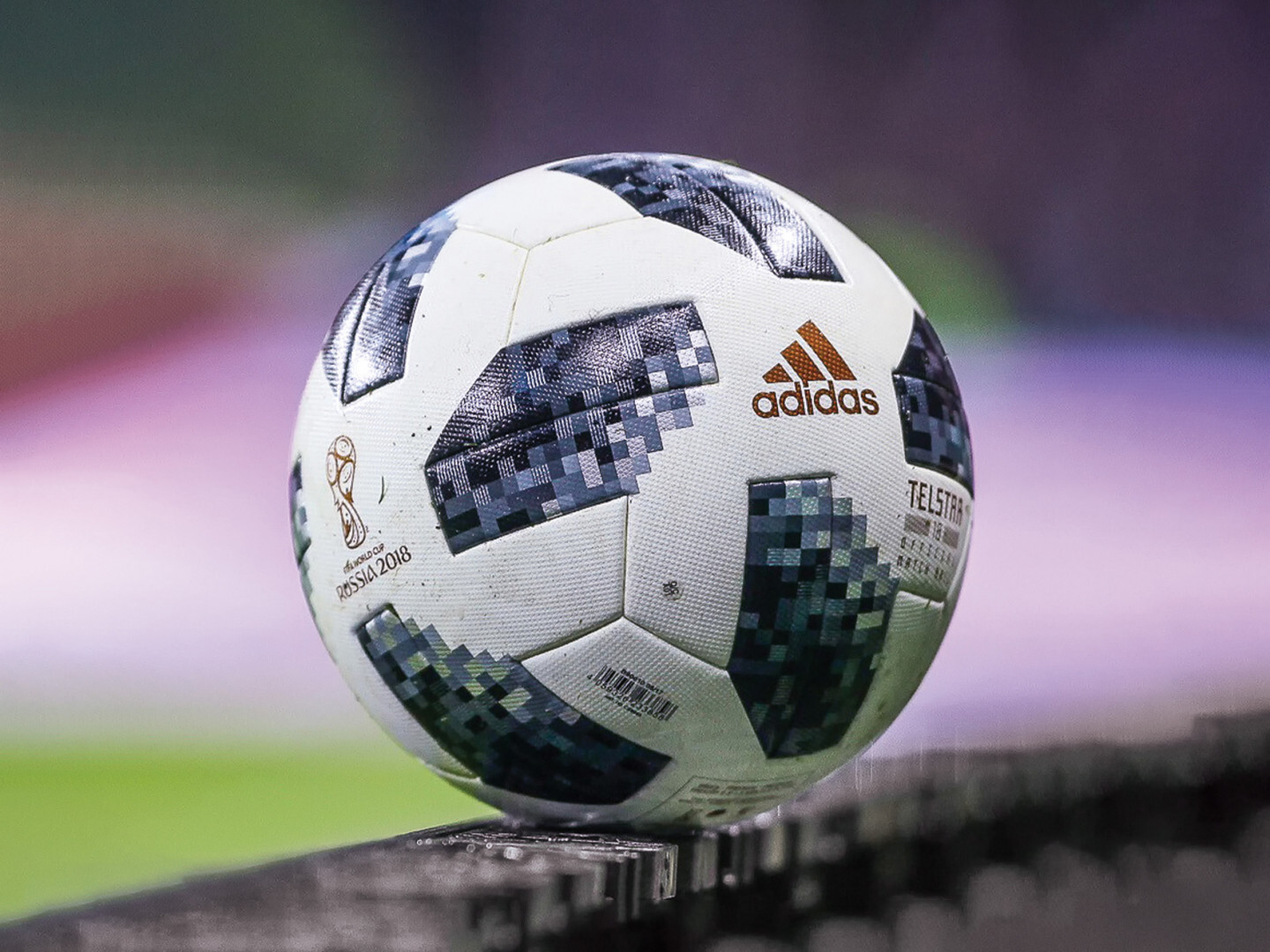
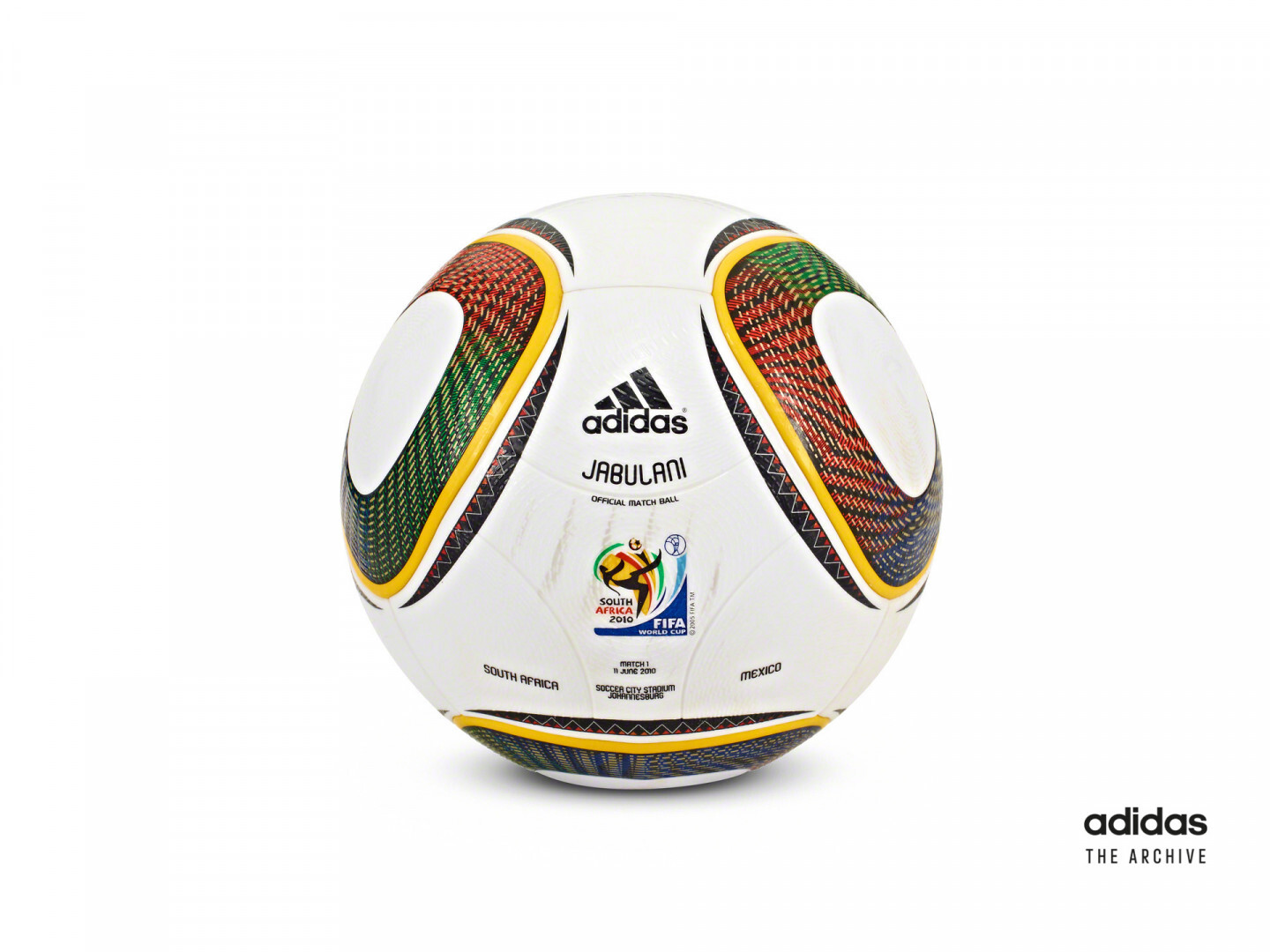
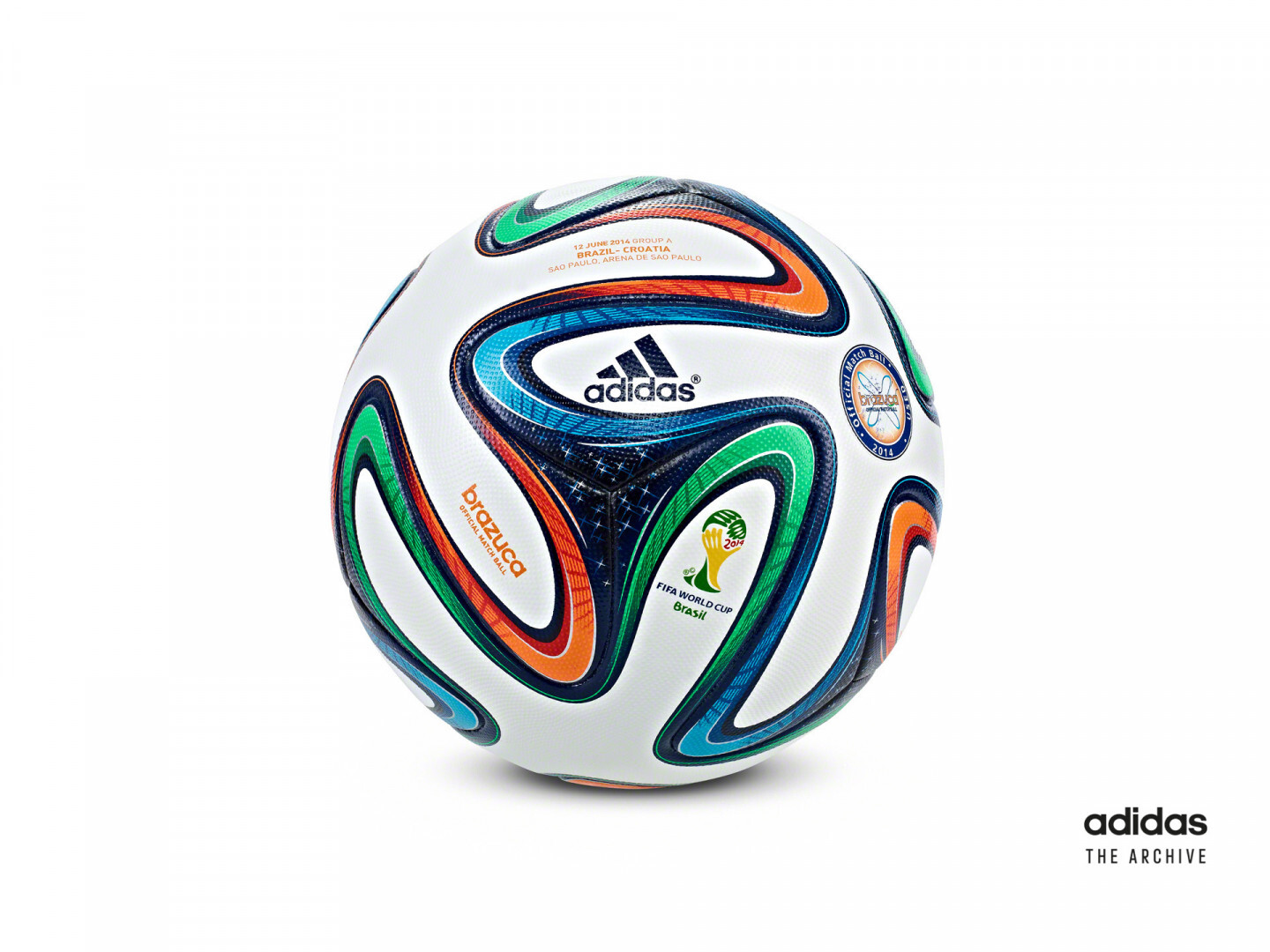
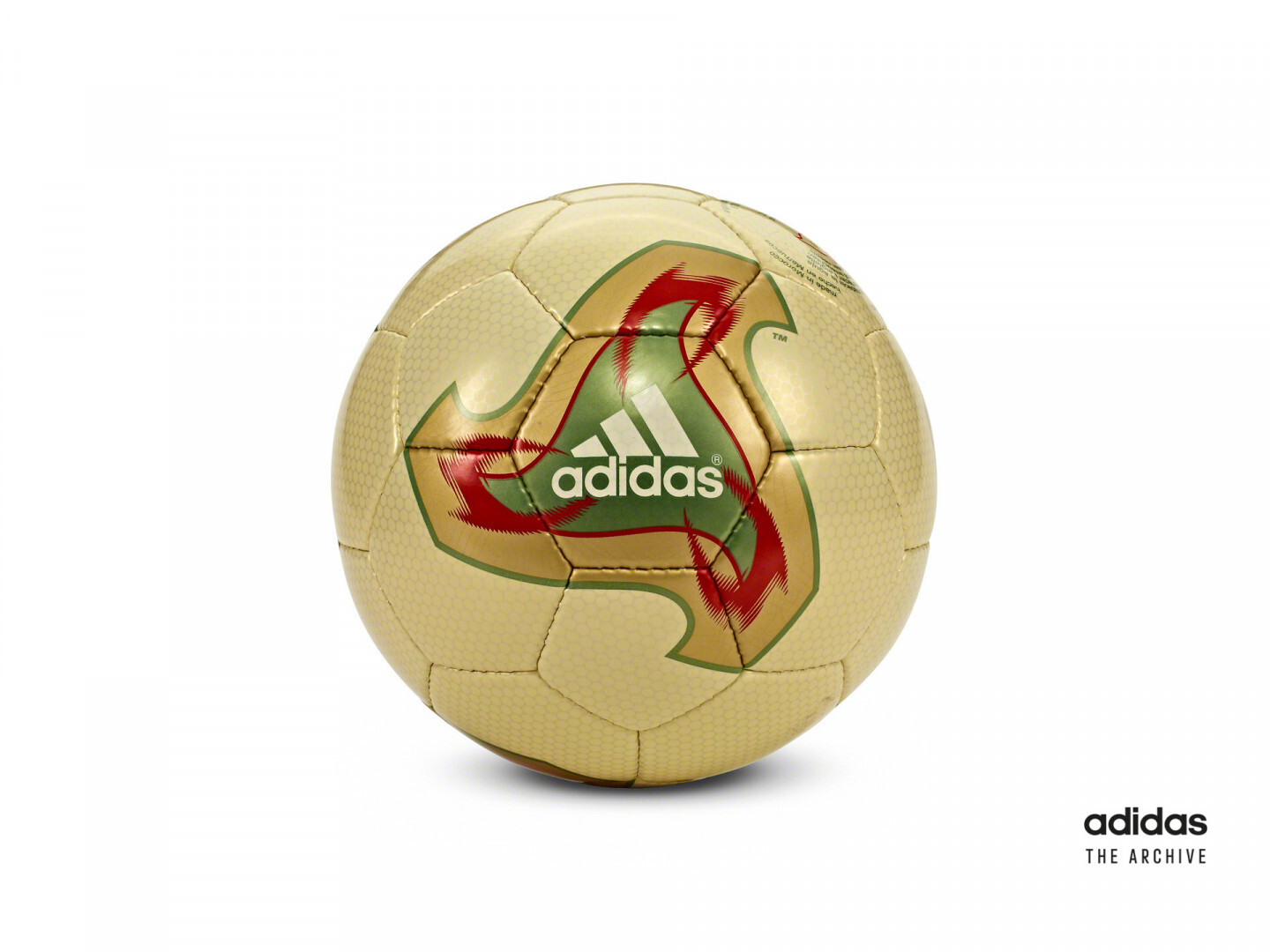
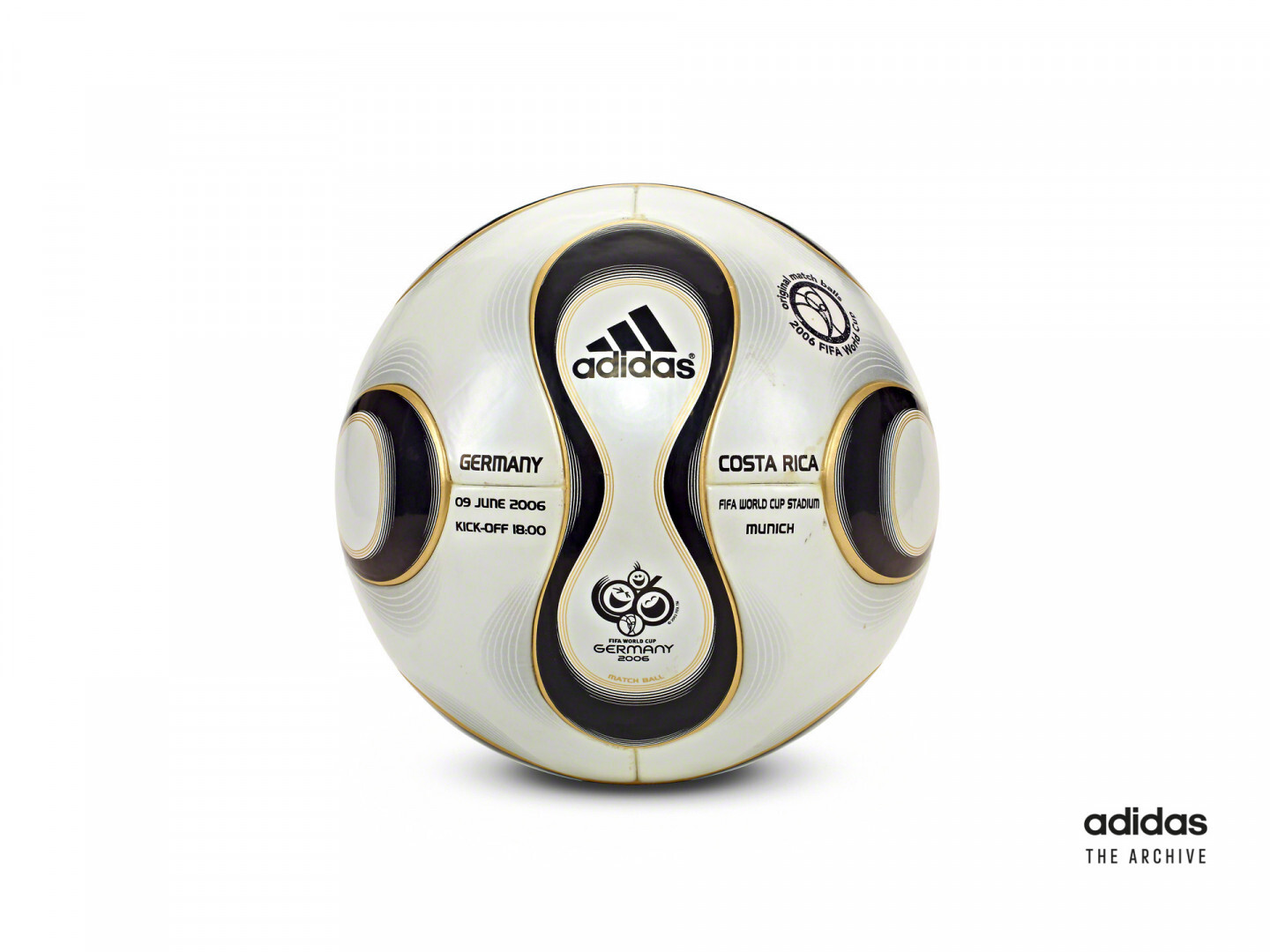
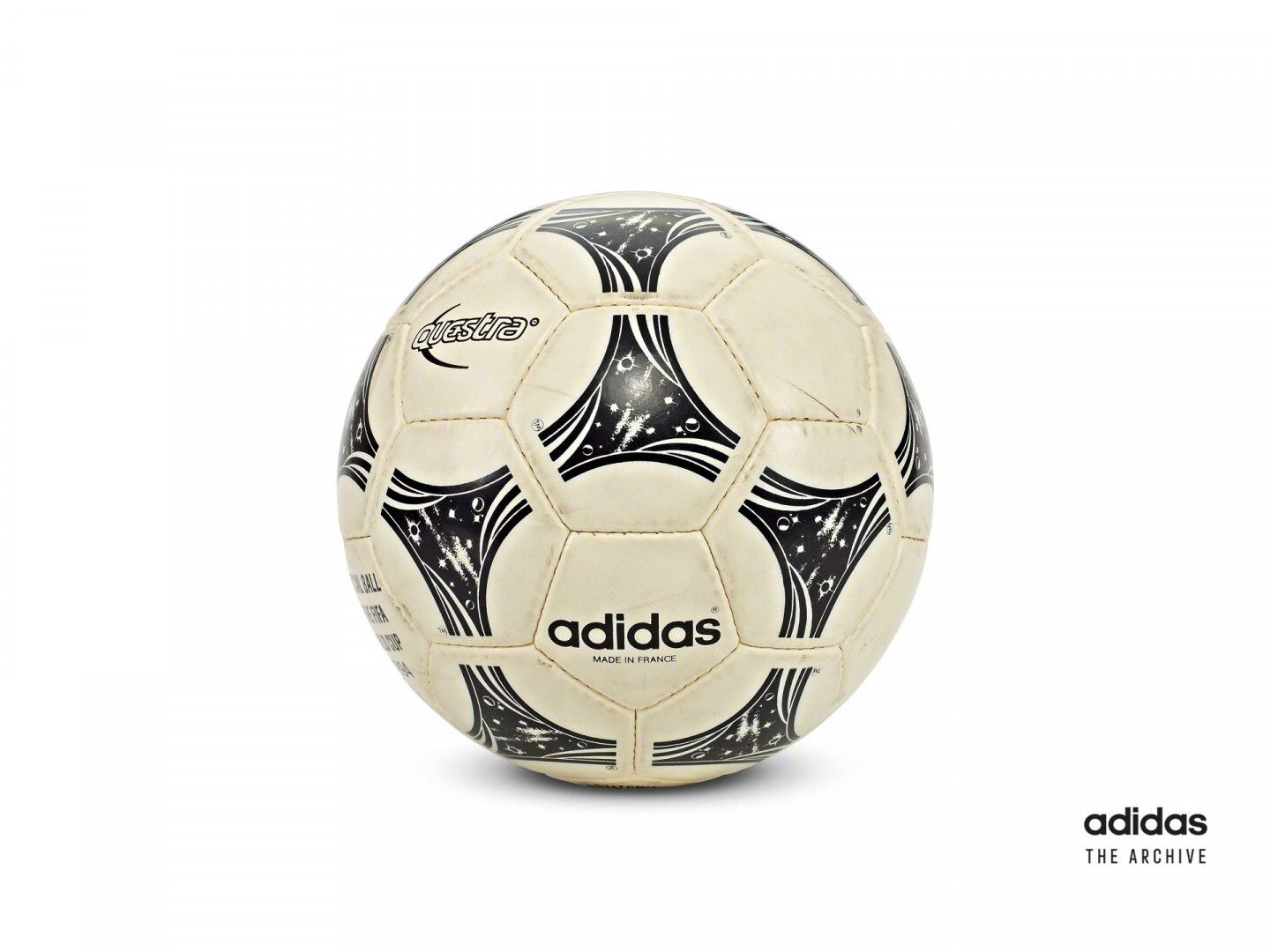
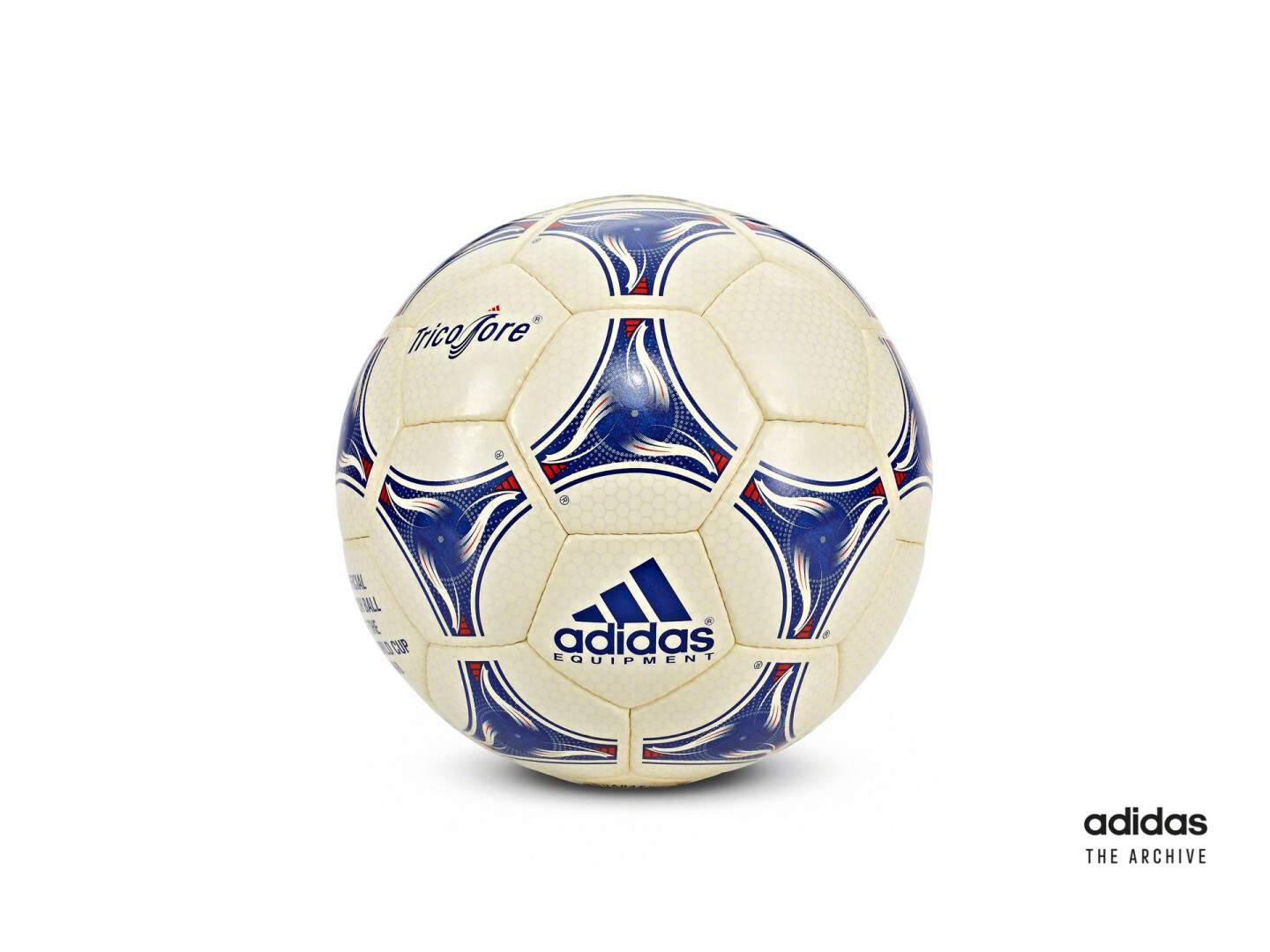
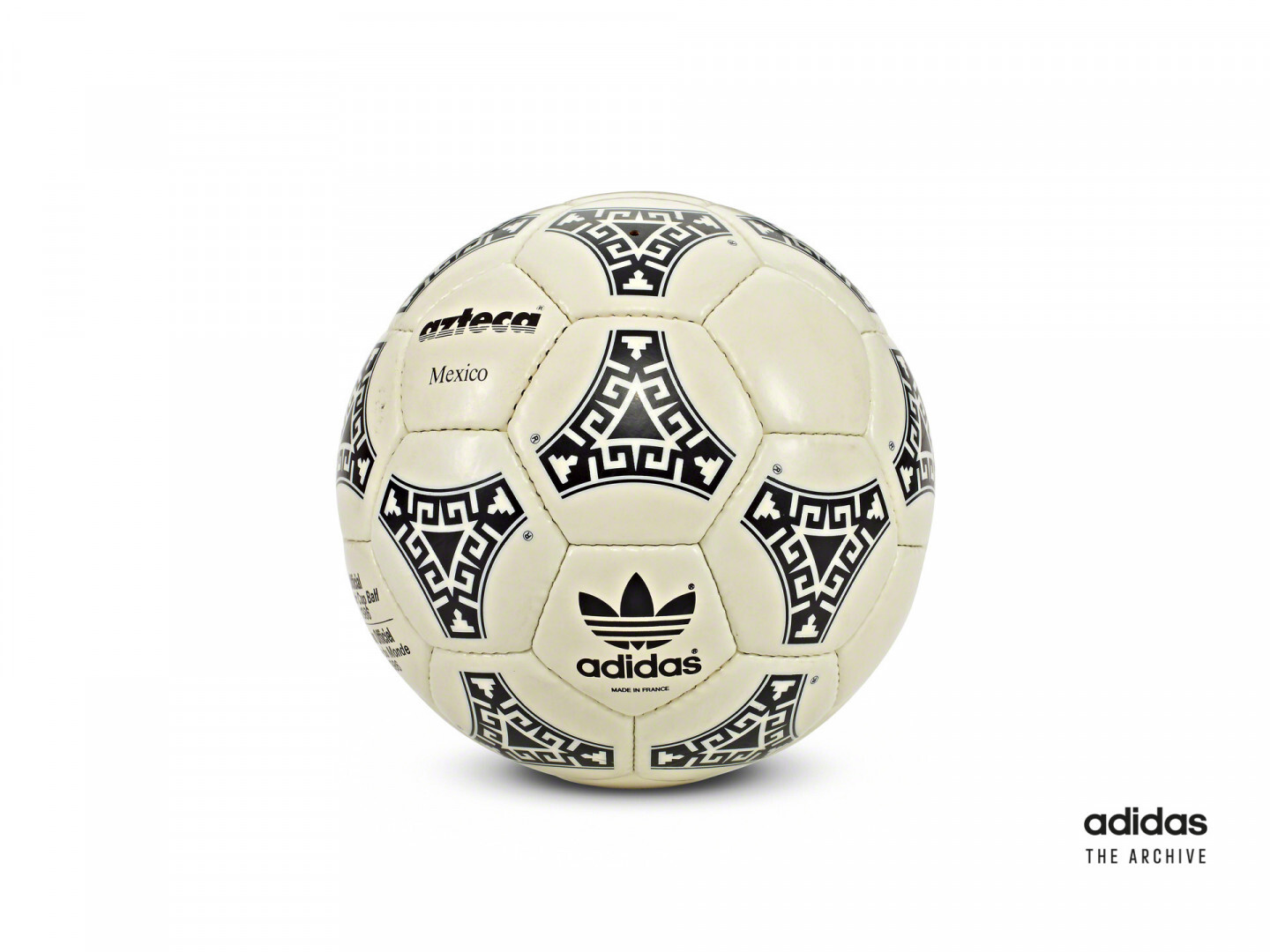
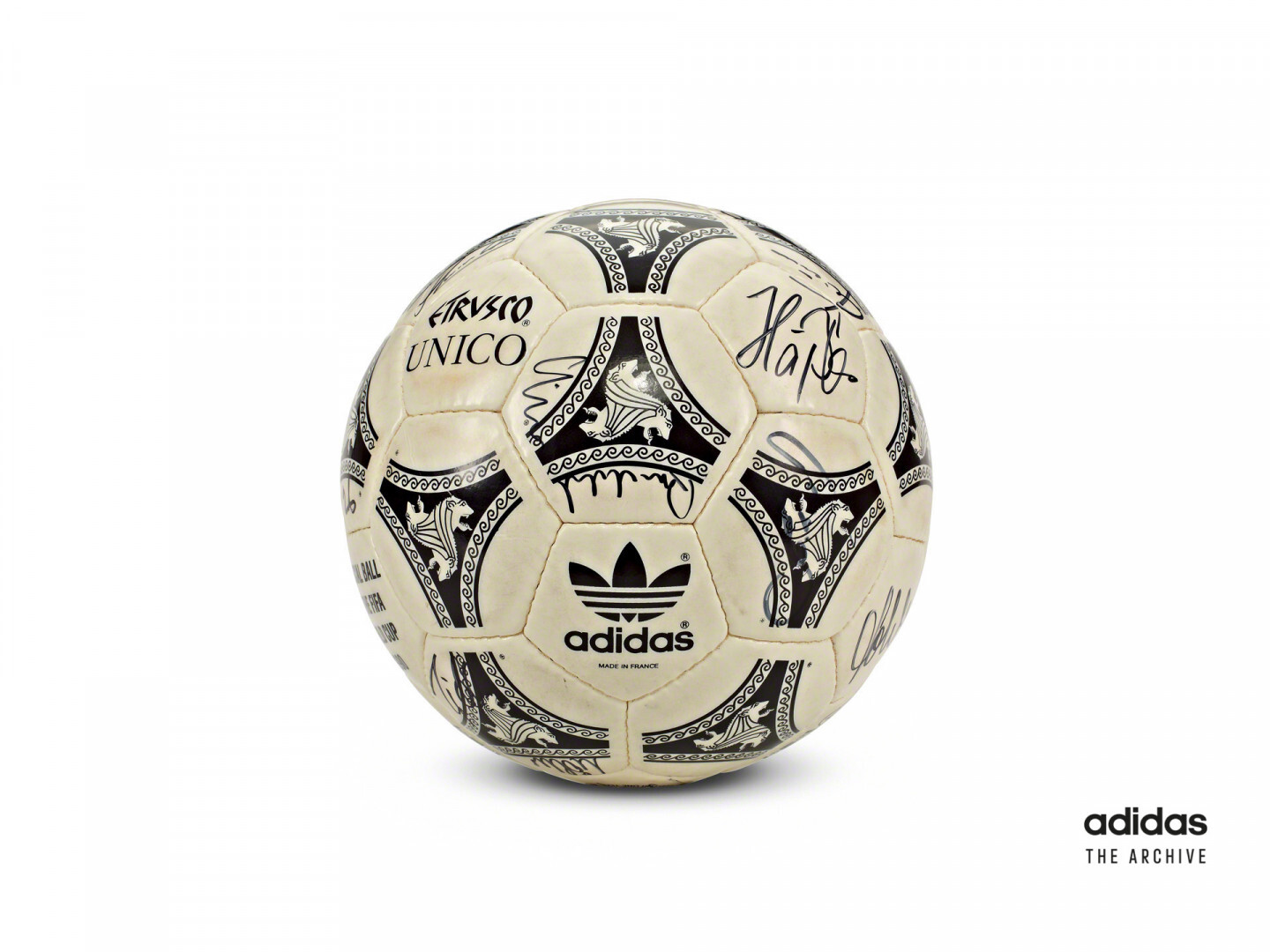
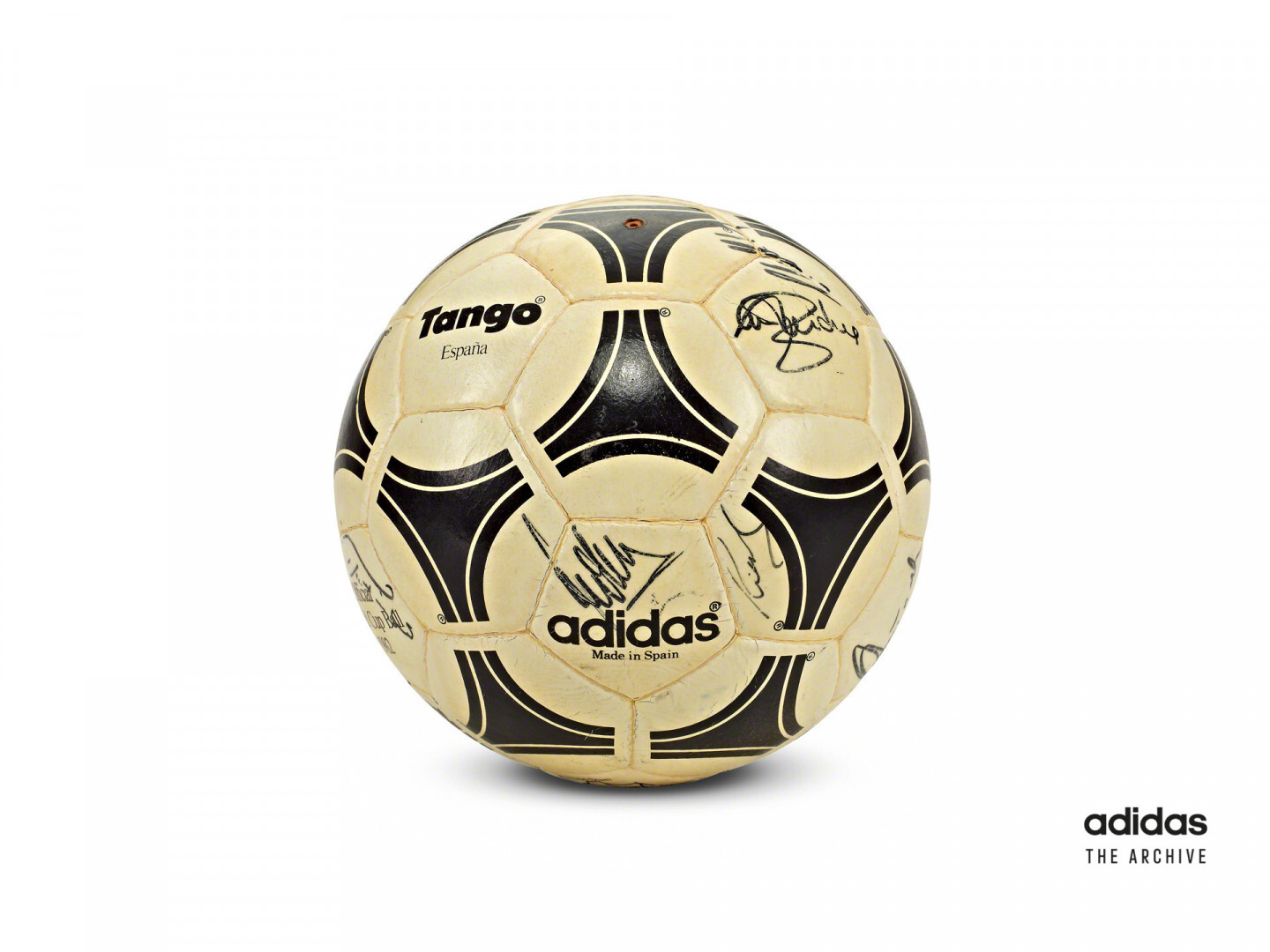
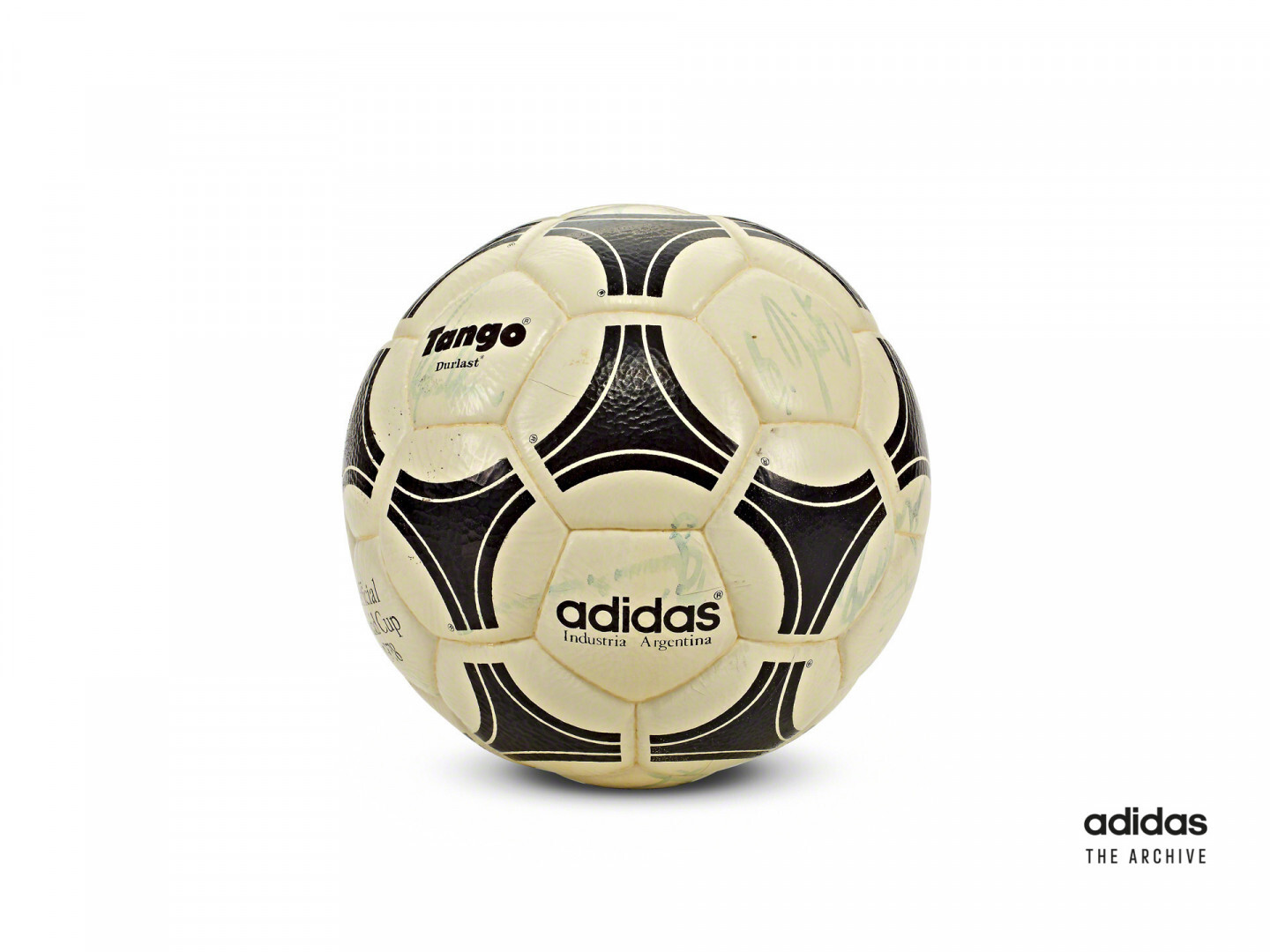
The Telstar also began a relationship that has defined adidas football branding ever since. adidas has supplied the official match ball for every FIFA World Cup from 1970 onward, an unbroken run that has turned the tournament ball into a recurring branding platform.1, 2, 6 Each World Cup brings a new adidas ball, named, designed and marketed as an event in its own right, from the Tango series to later balls such as the Brazuca and the Telstar 18.1, 4
This continuity is a significant asset. The most watched sporting event on earth features an adidas product at its literal centre, in every match, seen by billions. No conventional advertising could buy that level of association, and the recurring design gives adidas a guaranteed branding moment every four years that competitors cannot access.
The ball as a branding platform
The Telstar established the template of treating the match ball as a canvas for design and storytelling. Because a new ball appears at each tournament, adidas can renew the franchise repeatedly, connecting each edition to its host nation and era while maintaining the underlying link to the original. The ball becomes both a product to sell and a symbol that reinforces the brand's authority in football.
The strategy also demonstrates how design can carry a brand more effectively than a logo alone. The Telstar's power came from solving a real problem, television visibility, in a way that happened to be beautiful and memorable. That functional origin gave the design authenticity, and the authenticity is what allowed it to become universal rather than merely decorative.
Successive tournaments turned that principle into a system. adidas learned to attach each new ball to the identity of its host country and to launch it months before kickoff, generating coverage and anticipation in its own right.1, 5 The ball became a product, a marketing event and a symbol of continuity at once, and the recurring cadence gave the brand a dependable stage that no rival could occupy.
More than half a century later, the Telstar remains the foundation of adidas football heritage. It gave the brand the defining image of the sport, began the longest running supplier relationship in the World Cup, and showed that a single well-conceived object could anchor a brand's identity for generations. The black and white ball people picture when they think of football was brought to prominence by an adidas design, and that is one of the most complete brand associations in sport.3, 6, 7
Written with AI assistance, edited by a human. Find out more about our Use of AI.
1. adidas Group, Shira Richman, "How adidas Has Shaped the History of World Cup Balls from 1970 to the Present Day", 3 October 2025, for the Telstar as the first World Cup match ball adidas designed and adidas as official supplier ever since, its 32 panels of 12 black pentagons and 20 white hexagons meant to stand out on black and white television sets, the name as short for "television star", 1970 as the first World Cup broadcast in colour while black and white sets were still more common, the finding that 99% of people asked to draw a soccer ball drew one resembling the Telstar, the Tango line from 1978 to 1998, the Brazuca and the Telstar 18, the Azteca of 1986 as the first ball customised to its host country, and the Brazuca and Al Rihla campaigns run before their tournaments. https://www.adidas-group.com/en/magazine/innovation/how-adidas-has-shaped-the-history-of-world-cup-balls-from-1970-to-the-present-day
2. FIFA, "The adidas Telstar begins ball chain", 31 May 2020, for the adidas era beginning in Mexico in 1970 with a ball named Telstar, the first ball decorated with black panels, the pattern designed to stand out on black and white TVs, and adidas having provided the official World Cup ball since Mexico 1970. https://inside.fifa.com/news/telstar-story-fifa-world-cup-ball-3073424
3. Wikipedia, "Adidas Telstar", read 8 October 2026, for the Telstar as official match ball of the 1970 FIFA World Cup in Mexico and the first World Cup ball built as a truncated icosahedron of 12 black pentagonal and 20 white hexagonal panels, the black and white pattern serving visibility on black and white television, the name taken from the 1962 Telstar communications satellite, and the 32 panel configuration having been introduced by Select Sport in 1962, with the black and white pattern already established before the Telstar. https://en.wikipedia.org/wiki/Adidas_Telstar
4. adidas, "The Complete History of adidas World Cup Match Balls", adidas US blog, October 2025, for the Telstar as designed to stand out on worldwide television broadcasts and named from "Television" and "Star", its 32 panel design as still what most people think of when asked to draw a soccer ball, the Tango Durlast of 1978 and the Tango look carried over to the next five match balls, the Brazuca of 2014 and the Telstar 18 of 2018. https://www.adidas.com/us/blog/the-complete-history-of-adidas-world-cup-match-balls
5. adidas News Stream, "adidas introduced TRIONDA at landmark events in New York, Toronto and Mexico City", 3 October 2025, resolved from the newsroom homepage listed in the sources, for the Telstar of 1970 as celebrating "the first FIFA World Cup™ to be televised in color", TRIONDA as the 15th official match ball for the men's World Cup, introduced in October 2025 for a tournament the following summer, and its design built on the colours and symbols of the three host nations Canada, the USA and Mexico. https://news.adidas.com/football/adidas-introduced-trionda-at-landmark-events-in-new-york--toronto-and-mexico-city/s/6c65a1df-b2b8-4869-83a9-6dd1f076d918
6. Wikipedia, "Ball (association football)", read 8 October 2026, for adidas having supplied the official match balls for every tournament since 1970, the modern 32 panel ball design having been developed in 1962 by Eigil Nielsen, and the black and white truncated icosahedron having been "brought to prominence by the Adidas Telstar". https://en.wikipedia.org/wiki/Ball_(association_football)
7. SELECT Sport, "About SELECT", company history page, read 8 October 2026, for SELECT, founded in 1947 by Danish goalkeeper Eigil Nielsen, having introduced the 32 panel ball in 1962. https://www.select-sport.com/en/about-select