
A slogan with a face
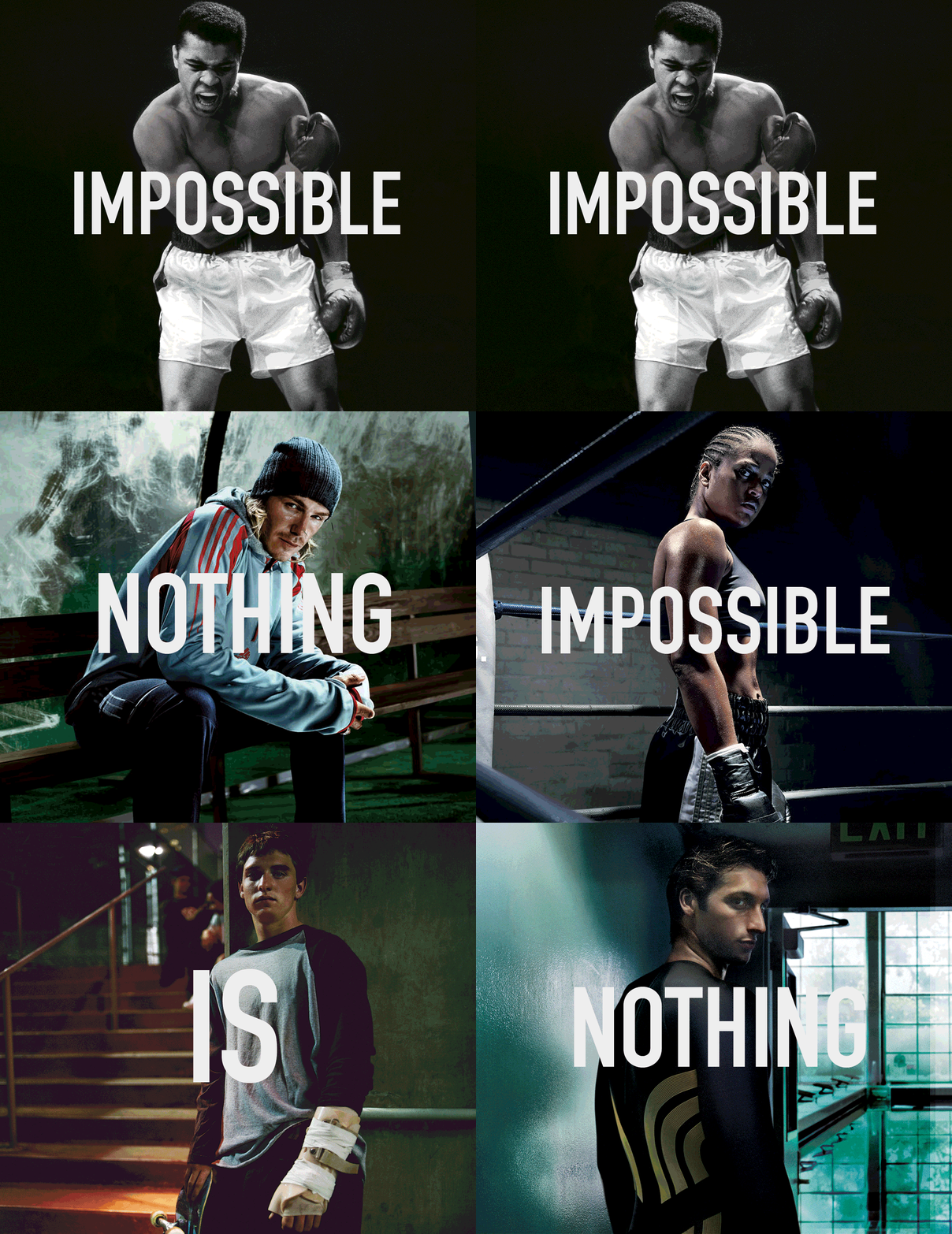
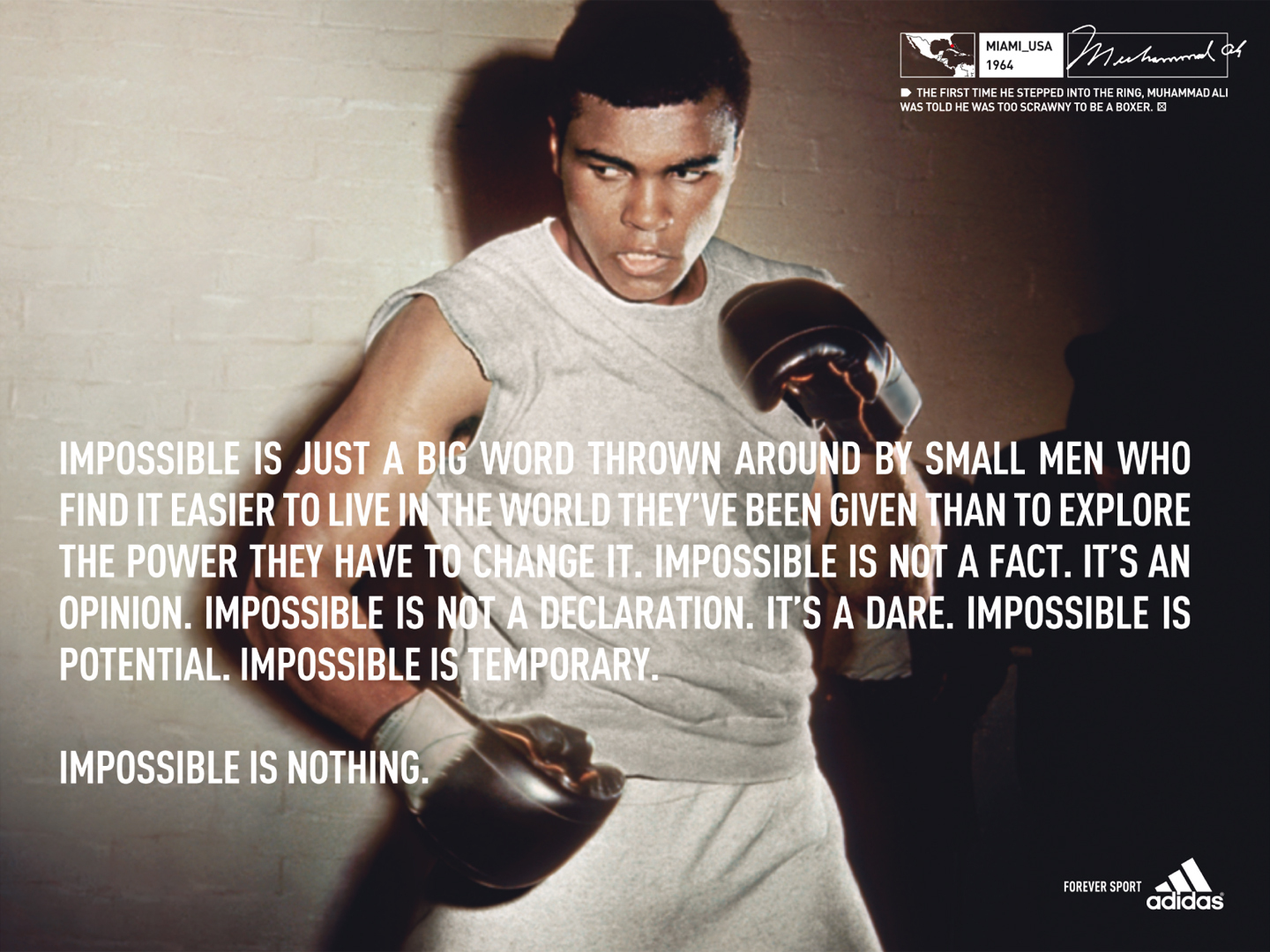
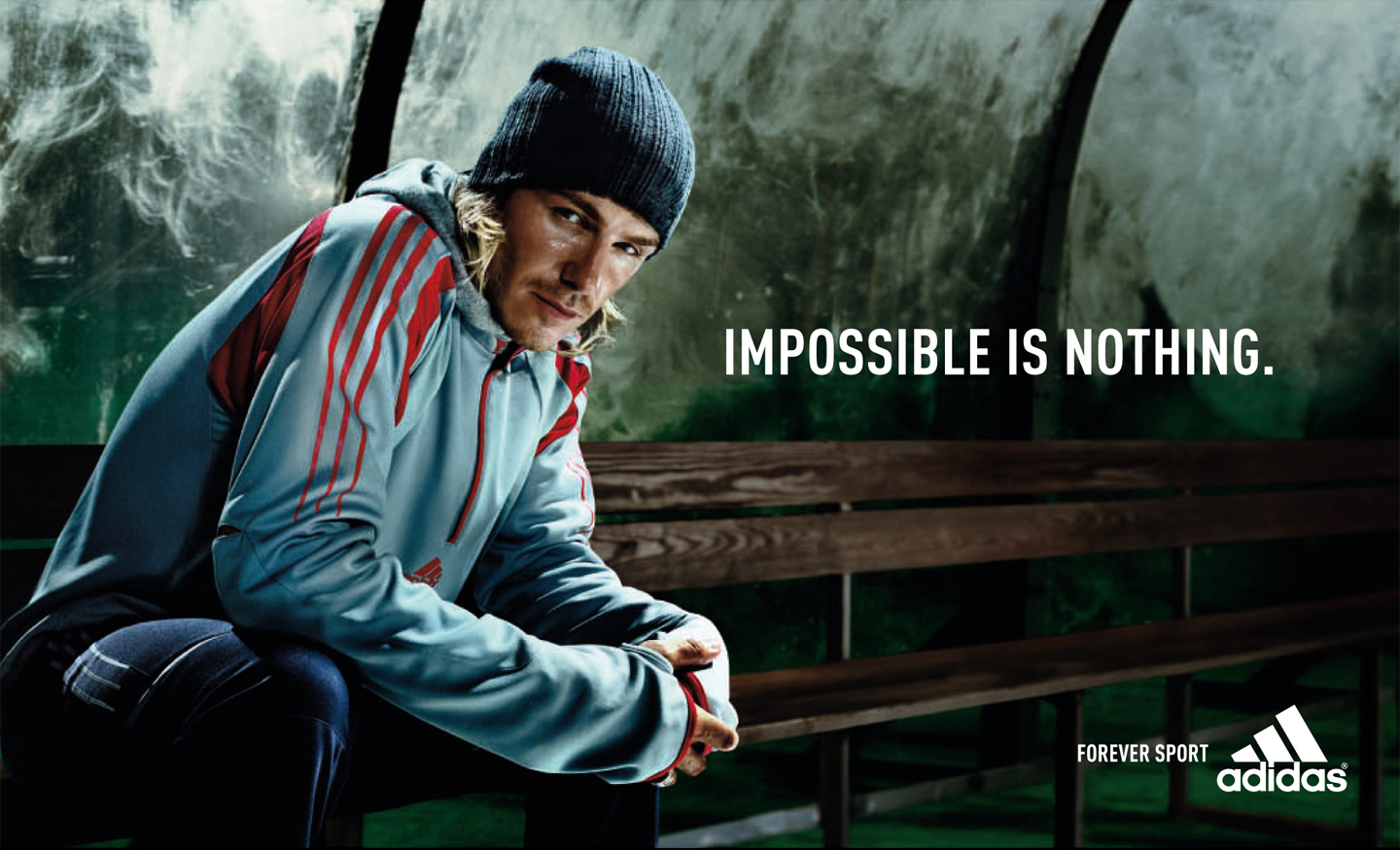
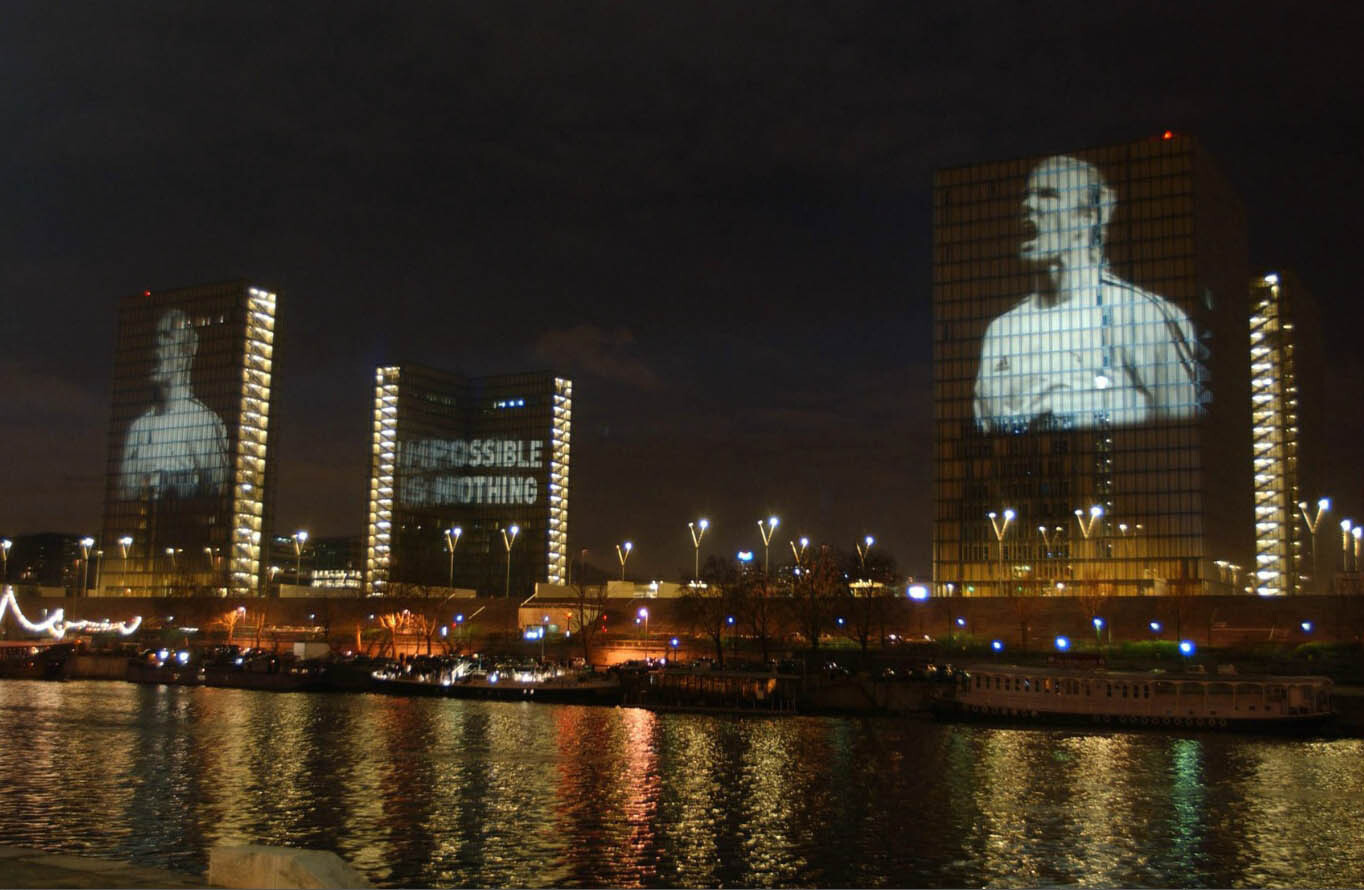
In 2004 adidas launched Impossible Is Nothing, one of the most durable slogans in sports marketing.1 The line was written not by Muhammad Ali, to whom it is often attributed, but by Boyd Coyner, global creative director at TBWA in San Francisco. Ali gave the campaign its face and its moral weight. By attaching itself to Ali, adidas anchored a global advertising platform in a figure whose achievements outside the ring were as widely admired as those within it.
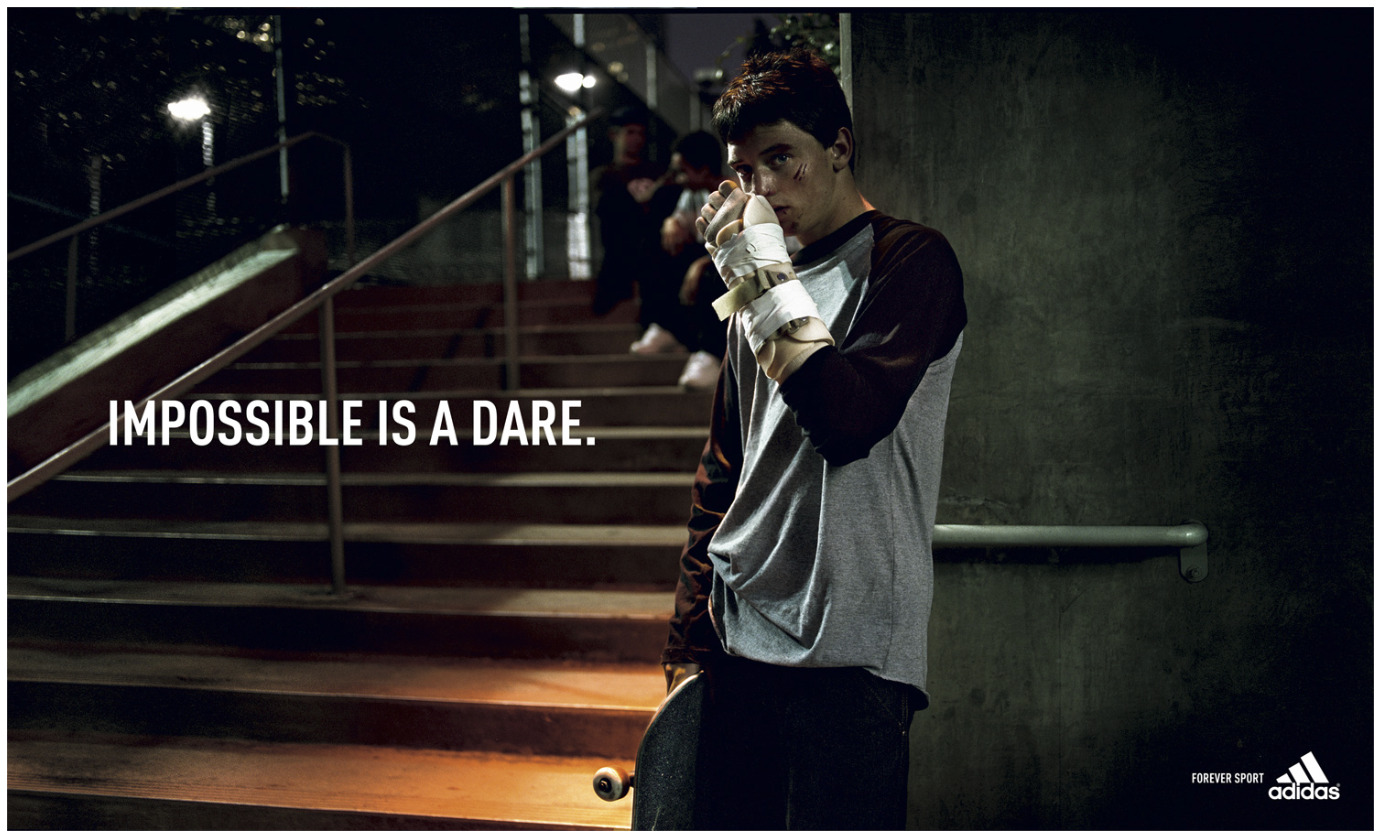
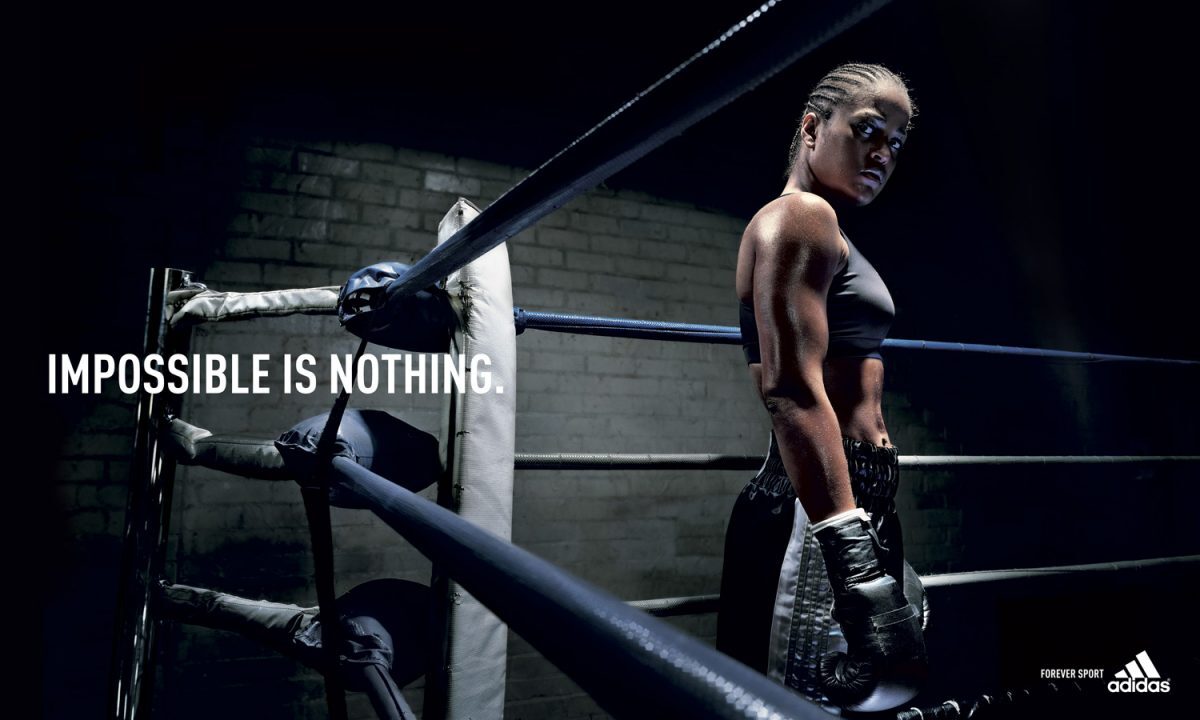
The campaign was developed with the agencies TBWA and 180 Amsterdam, and it set adidas apart from the tone of much sports advertising at the time.1, 2 Rather than dramatising victory, it dwelt on the effort and belief that precede it. The proposition was philosophical as much as athletic: obstacles exist to be overcome, and the word impossible describes a limit of imagination rather than of fact.
Ali at the centre
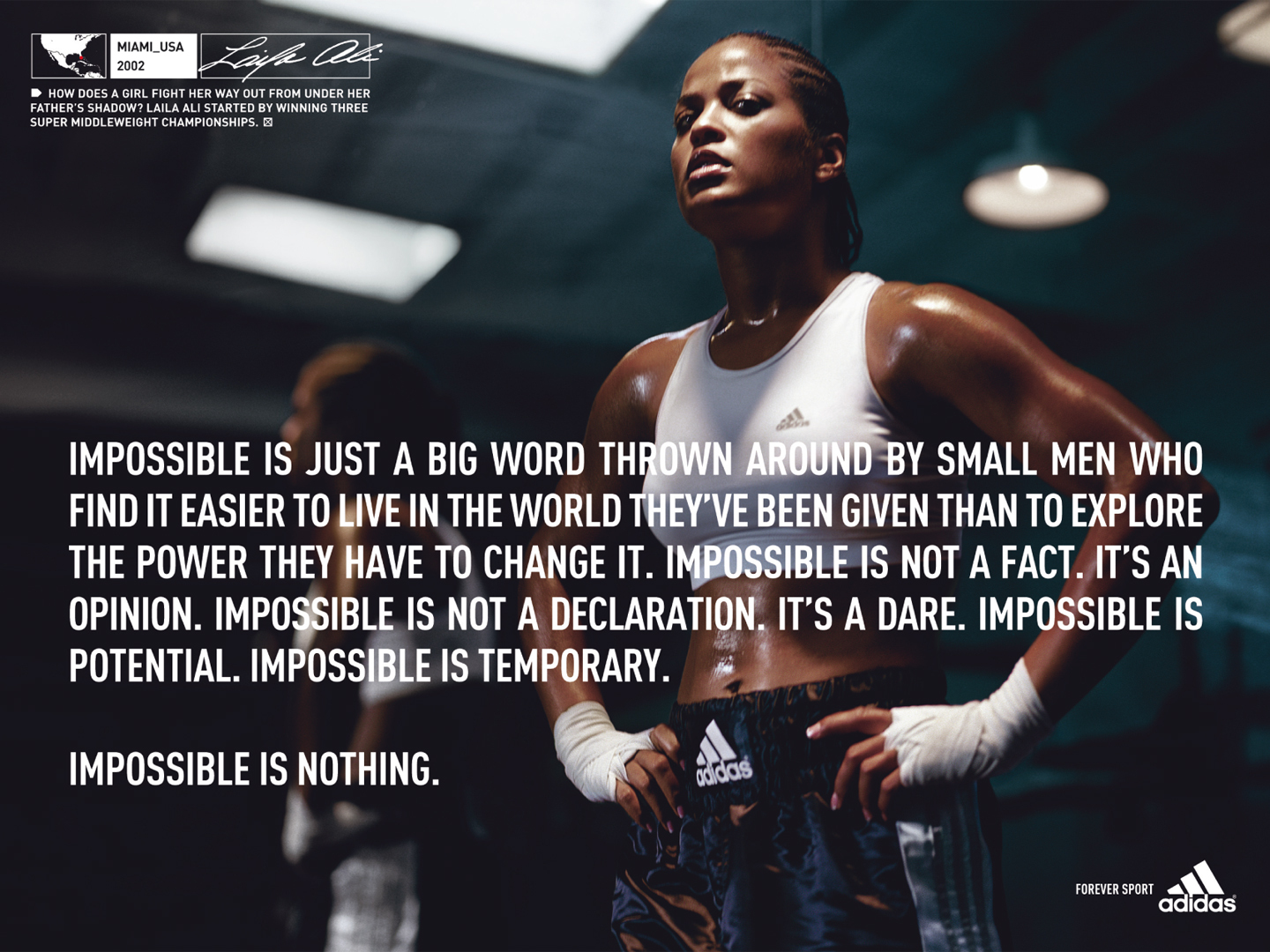
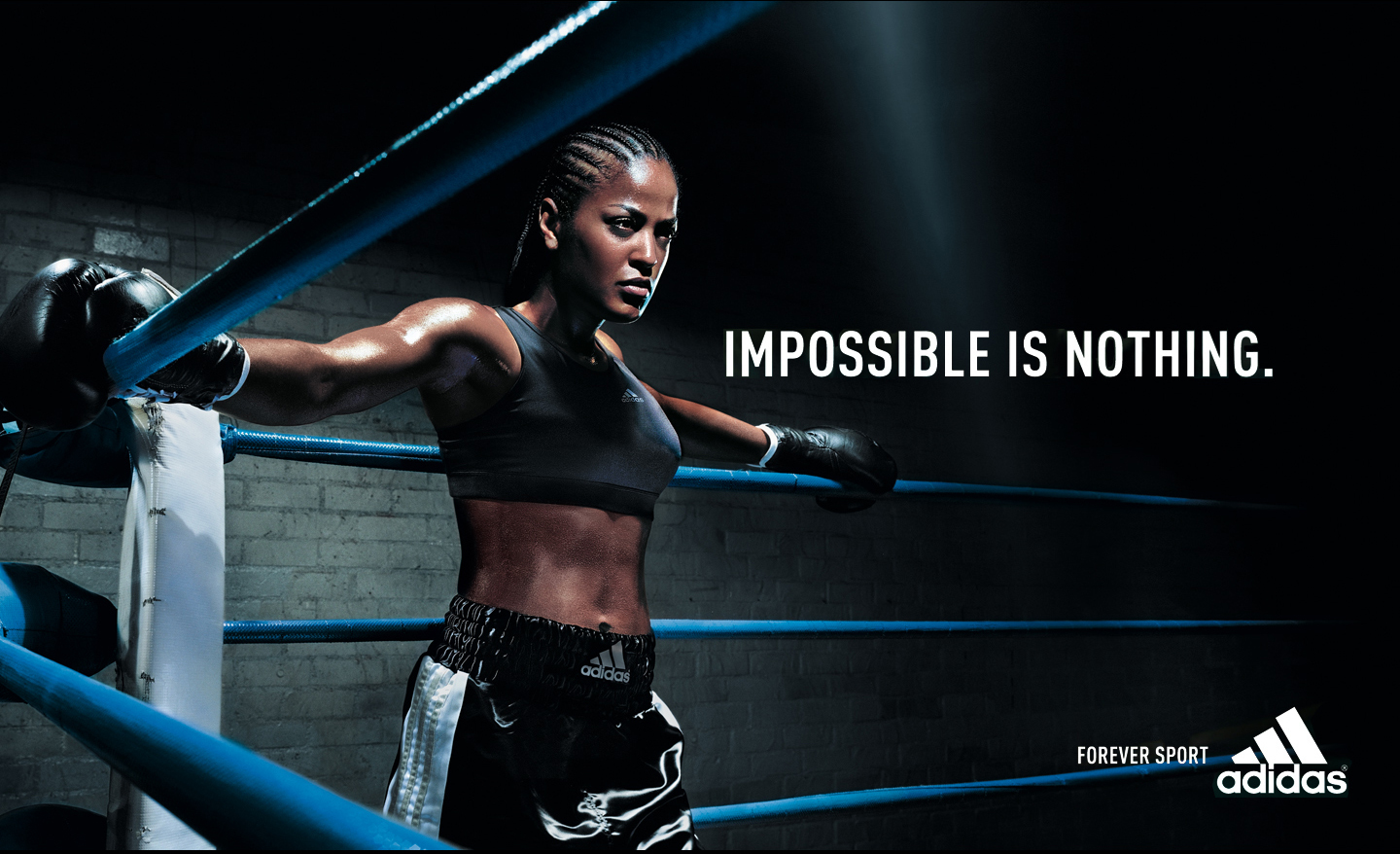
The most memorable execution featured Muhammad Ali alongside his daughter Laila Ali, herself a professional boxer, in a film that blended archive footage with contemporary imagery.1 Other athletes appeared across the campaign, including footballers and track stars from the adidas roster, but Ali supplied the emotional core.1 His presence linked the brand to a lineage of conviction and courage that reached well beyond sport, and it lent the newly minted slogan an authenticity that it could not have carried on its own.
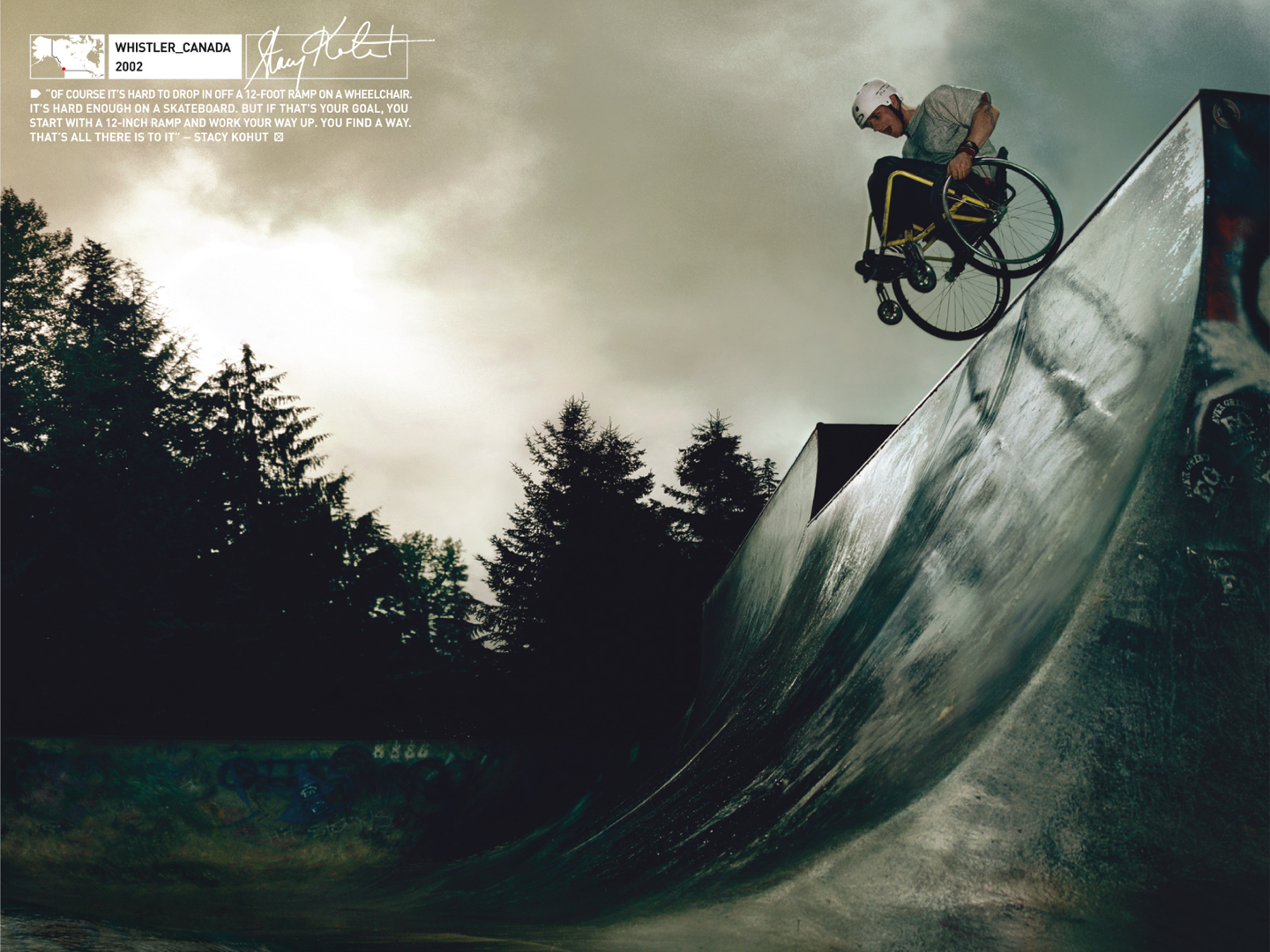
In a later phase, launched in 2007, the campaign also made distinctive use of hand-drawn imagery. A series of executions presented athletes' stories as sketches, as though drawn from memory, giving the advertising a personal and reflective quality.3 The technique reinforced the central idea that achievement begins in the mind, and it distinguished the adidas work visually from the polished realism common in the category.
Competing on meaning
Impossible Is Nothing arrived while adidas was working to strengthen its position against Nike, whose Just Do It had defined motivational sports advertising since 1988.2, 4 adidas did not imitate that approach. Where Just Do It urged action, Impossible Is Nothing addressed belief, framing sport as a test of self-conception. The distinction gave adidas a clear territory of its own and a slogan that could travel across markets and disciplines.
The line proved unusually portable. It suited footballers and runners, amateurs and champions, and it worked in advertising, in stores and on product. That flexibility is part of why the slogan outlasted the specific campaign that introduced it, becoming shorthand for the adidas point of view rather than a single season's message.
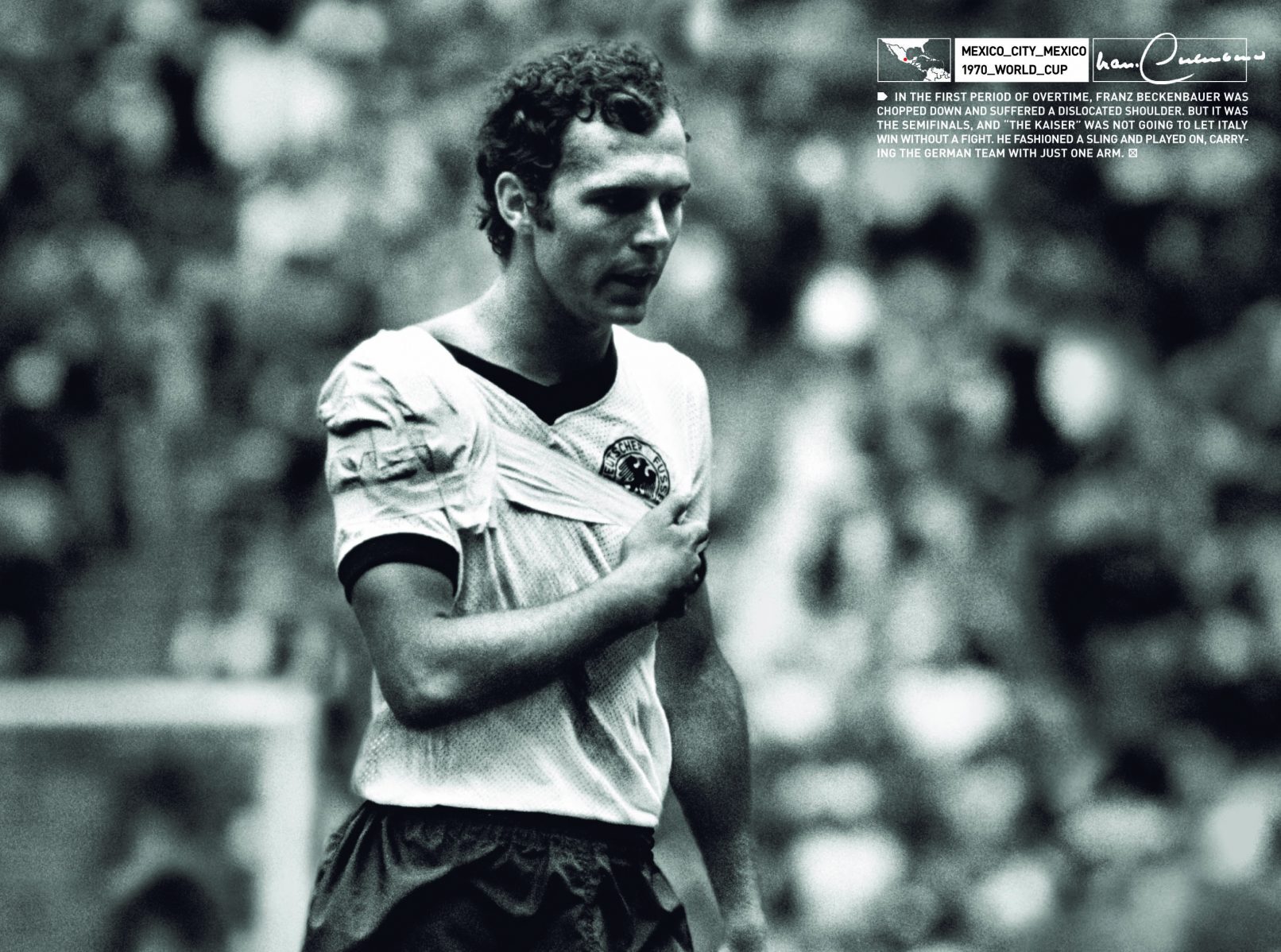
The campaign ran across multiple sports and regions, adapting to local heroes while keeping the same core line. Footballers, basketball players and track athletes each appeared within the framework, which allowed adidas to speak to different audiences without fragmenting its message.1 That breadth was part of the design: a single idea, expressed through many figures, built a consistent global identity while still feeling relevant in individual markets.
A platform revived
The idea returned years later. In 2021 adidas brought Impossible Is Nothing back as a brand purpose platform, updating it for a new generation of athletes and a changed cultural climate while keeping the original meaning intact.5 The revival confirmed the strength of the 2004 work: few campaign lines remain compelling enough to be relaunched almost two decades on without feeling dated.
The endurance of the slogan illustrates a wider principle in brand building. A tagline rooted in a genuine idea, and associated with a figure who embodies it, can accumulate meaning over time rather than wearing out. Because Impossible Is Nothing was so closely tied to Ali, it carried a credibility that adidas could extend across products, athletes and years without exhausting it.
The 2004 work is also remembered for its craft. The films and images were carefully made, and the decision to centre a figure of Ali's stature signalled that adidas viewed advertising as a place to make a serious statement rather than simply to sell product. That seriousness helped the campaign earn lasting attention and gave the brand a depth of meaning that purely promotional work rarely achieves, which is part of why the line was worth reviving years later.
Seen alongside the brand's visual identity, the campaign completed a rounded picture of what adidas stood for in the 2000s. The three-bar mark asserted performance, the Trefoil carried heritage, and Impossible Is Nothing supplied the belief that connected them.6 The 2004 campaign gave the company a verbal identity as recognisable as its stripes, and one that it has returned to whenever it has wanted to state, in the plainest terms, what the brand believes sport can do.
Source: Eric Allen Youtube
Written with AI assistance, edited by a human. Find out more about our Use of AI.
1. Campaign, Jennifer Whitehead, "Ali meets new heroes in £27m global Adidas campaign", 5 February 2004, resolved from the Campaign homepage listed in the sources, for the launch of the global campaign around what adidas called its mantra, "Impossible Is Nothing", in the United States on 5 February 2004, reaching Europe in March and more than 50 markets in all; for the television work having been "created by Amsterdam-based independent 180" and the print work by TBWA\Chiat Day; for the 60-second film in which "Laila Ali will get into the ring with her father when he was in his prime", a campaign that combines "old footage of Muhammad Ali with that of more recent sporting heroes", with boxer Laila Ali as his daughter; and for the athletes around Ali, among them David Beckham, Zinedine Zidane, Maurice Greene, Haile Gebrselassie, Tracy McGrady and Ian Thorpe, which gives the body its footballers, track athletes and basketball player. The piece says nothing about who wrote the line and does not cover the 2021 revival. https://www.campaignlive.co.uk/article/ali-meets-new-heroes-27m-global-adidas-campaign/201626
2. Wikipedia, "Adidas", accessed 2 October 2026, a reference source under the Brandvelle whitelist, for Impossible is Nothing having been "Launched in 2004" and "developed by 180/TBWA based in Amsterdam, but significant work was also done by TBWA\Chiat\Day in San Francisco", and for adidas's position against Nike in those years: "the second largest in the world, after Nike", with the Reebok purchase announced in August 2005 described as having "allowed Adidas to compete with Nike worldwide as the number two athletic shoemaker in the world". https://en.wikipedia.org/wiki/Adidas
3. SGB Media, "Adidas Launches Next Phase of Impossible is Nothing Campaign", 5 March 2007, added during the retrofit, for the hand-drawn executions: in the phase launched on 6 March 2007 "more than 30 athletes tell their 'Impossible' stories using their own hand-drawn illustrations and paintings", each choosing "a defining moment in their life", shown through "animated films and static images created by the athletes themselves", with results described as "deeply personal, edgy and refreshingly honest"; the concept was created by 180 Amsterdam (180/TBWA). The technique belongs to this 2007 phase of the campaign, to which the body dates it; off whitelist and used for corroboration only. https://sgbonline.com/adidas-launches-next-phase-of-impossible-is-nothing-campaign/
4. Wikipedia, "Just Do It", accessed 2 October 2026, added during the retrofit, for Nike's tagline having been "coined in 1988", and for its weight in the decade that followed, in which Nike raised its share of the North American sport-shoe business from 18% to 43%. https://en.wikipedia.org/wiki/Just_Do_It
5. adidas, "Impossible is nothing", story in the adidas Annual Report 2021, undated, resolved from the newsroom root listed in the sources, for adidas having "relaunched our iconic brand campaign 'Impossible is Nothing.'" in spring 2021, a campaign "originally introduced in 2004 with Muhammad Ali and is now brought to a new generation of athletes, artists, and consumers", for the purpose given to it, "inspiring all people to see their own possibilities and regain optimism", and for the line being presented as "not only a campaign but our attitude". The newsroom's own release on the relaunch, "Impossible Is Nothing: Inspiring the World to See Possibilities", returned HTTP 404 on 2 October 2026. https://report.adidas-group.com/2021/en/at-a-glance/2021-stories/impossible-is-nothing.html
6. adidas, "adidas Logos: History and Meaning", September 2022, for the Performance logo built on the three bars serving as "the main brand mark of adidas", and for the Trefoil having been reserved for Originals products since 2000 to honour the brand's heritage. https://www.adidas.com/us/blog/932571-adidas-logos-history-and-meaning