A shift toward personalisation
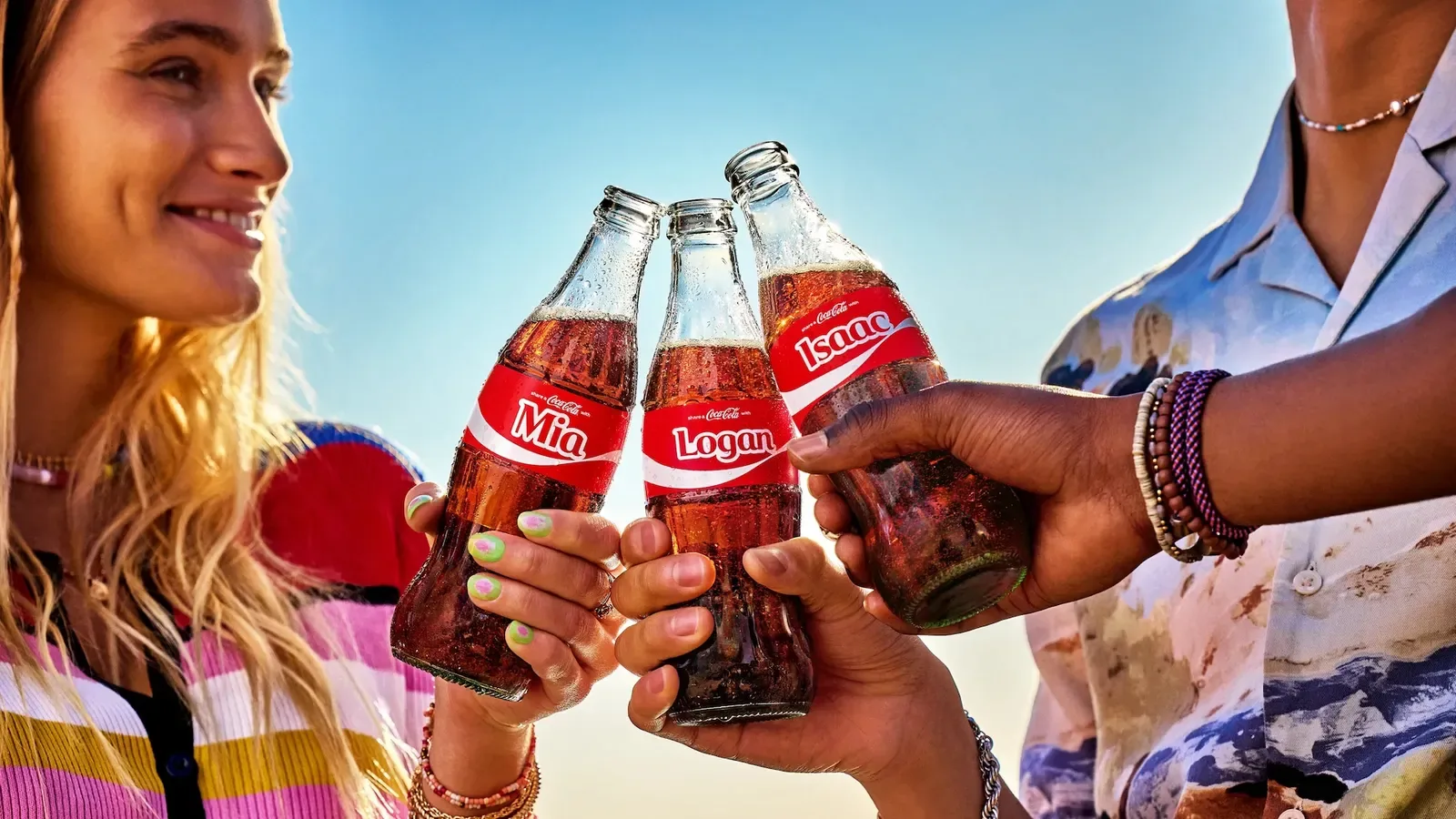
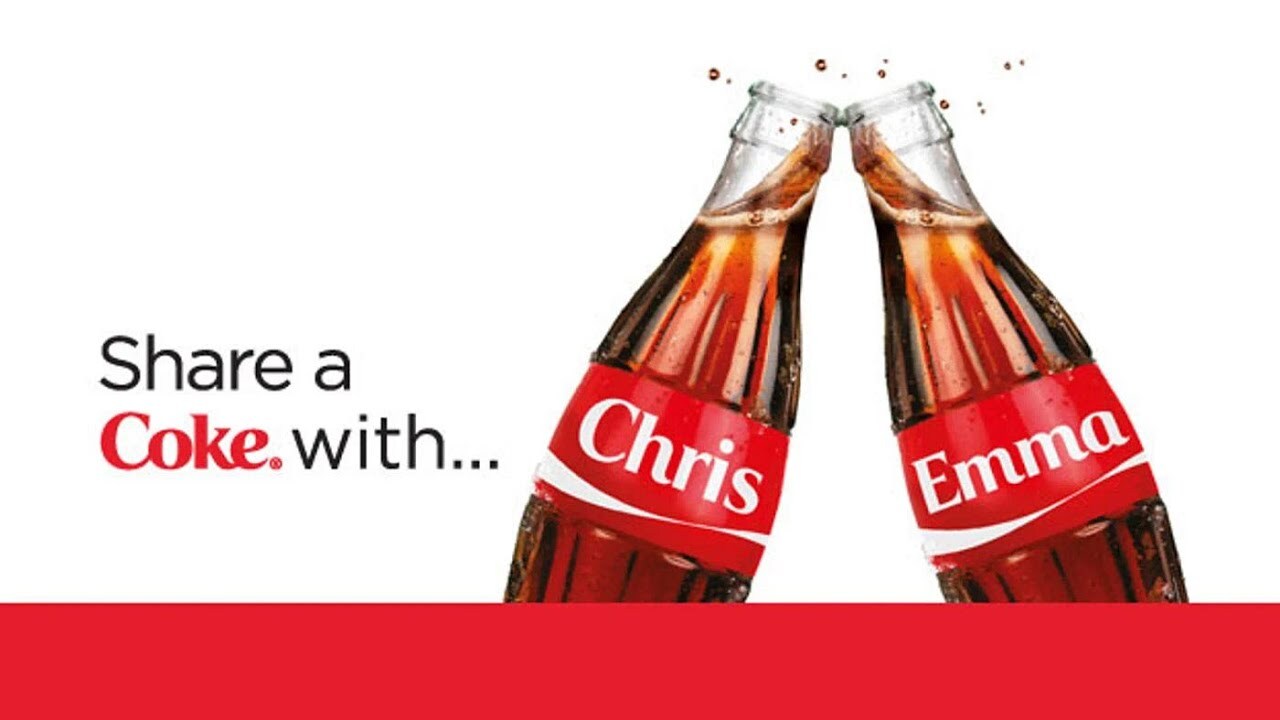
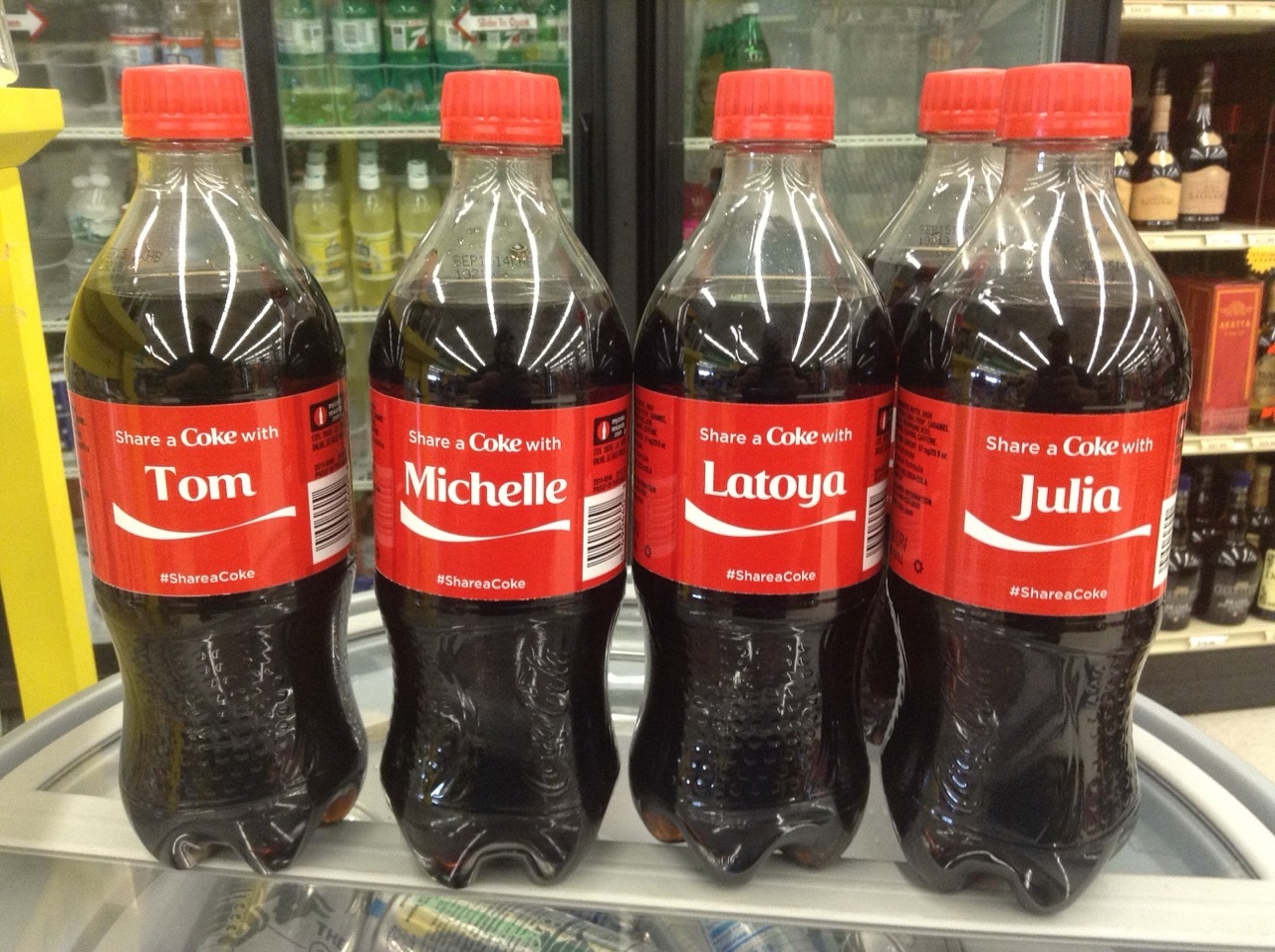
Coca-Cola launched the “Share a Coke” campaign in 2011 in Australia as a packaging-led marketing initiative. The company replaced its iconic logo on bottles with popular first names, creating a system where consumers searched for, purchased, and shared personalised Coca-Cola products.
The core idea focused on turning a mass-produced product into a personal object, using naming as a simple but effective mechanism for emotional engagement.
Packaging as a communication channel
The campaign reframed the Coca-Cola bottle as a medium for interpersonal communication. Instead of a standard branded label, each bottle read “Share a Coke with…” followed by a name, encouraging gifting and social exchange between individuals.
This design approach shifted the role of packaging from brand identification to social activation, making the product itself part of the message.
Scaled global rollout
After its initial launch, the campaign expanded rapidly across international markets and became one of Coca-Cola’s most widely distributed marketing platforms. It used lists of the most common local names, sometimes including nicknames and generic labels, to maximise cultural relevance in each region.
The strategy relied on both physical retail distribution and digital extensions that allowed users to personalise and share virtual versions of the product.
Emotional and behavioural impact
The campaign encouraged consumers to actively search for names, gift bottles to friends, and share their findings on social media. This created a feedback loop where personalisation drove engagement, and engagement generated further visibility for the brand.
By linking identity and consumption, Coca-Cola turned everyday purchase behaviour into a participatory experience.
Commercial and cultural outcome
“Share a Coke” became one of Coca-Cola’s most successful modern campaigns, increasing engagement and sales while also generating substantial earned media through user participation.
It established a widely replicated model for personalised marketing, influencing how brands thought about packaging, identity, and social sharing.
A lasting shift in branding logic
Overall, the campaign demonstrated a structural change in how Coca-Cola used design and communication. It moved from broadcasting a unified brand message to enabling millions of individualised brand interactions through product customisation.
The bottle became not just a container, but a personalised social trigger embedded in everyday relationships.
Written with AI assistance, edited by a human. Find out more about our Use of AI.