
A library of characters, bought whole
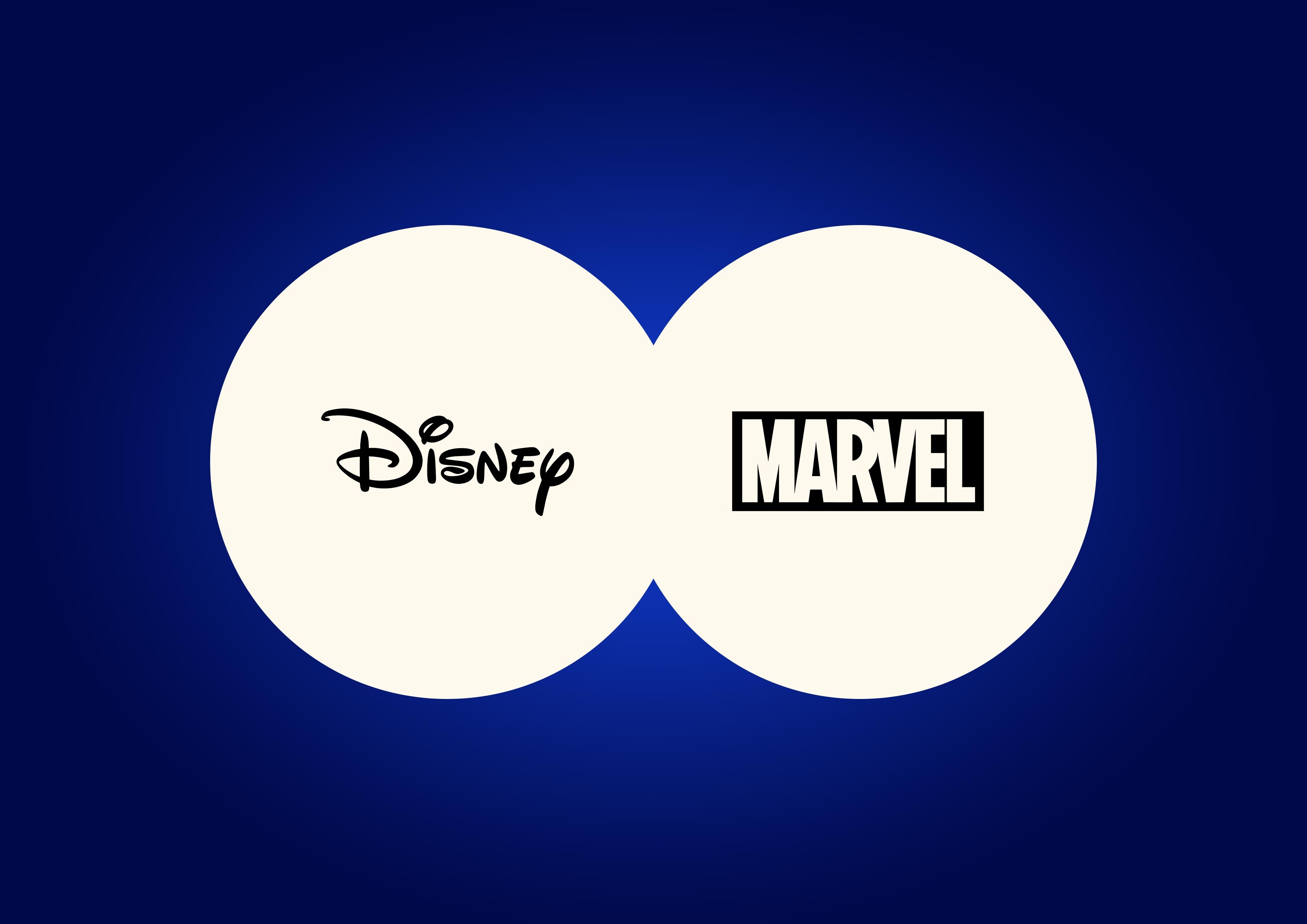
On 31 August 2009, The Walt Disney Company announced that it would acquire Marvel Entertainment in a cash-and-stock deal valued at around four billion US dollars. The transaction gave Disney ownership of Marvel and its vast catalogue of characters, thousands of them accumulated over decades of comic-book publishing, and access to a franchise-building operation that was just beginning to demonstrate its full commercial power on screen. The deal closed at the end of 2009.
The timing was significant. Marvel Studios had recently begun producing its own films, starting with Iron Man in 2008, and was in the early stages of building an interconnected series of movies that would become the Marvel Cinematic Universe. Disney was buying not only a library of intellectual property but a proven system for turning that property into films, sequels and cross-title franchises. It was acquiring a machine, not just a catalogue.
Reaching an audience Disney did not have
For Disney, the strategic appeal of Marvel was partly about reach. The core Disney brand was strongly associated with family entertainment, fairy tales and younger audiences, and skewed in ways that left certain demographics underserved. Marvel's superhero properties appealed powerfully to older children, teenagers and adults, and to male audiences in particular, complementing rather than overlapping with Disney's existing strengths.
By acquiring Marvel, Disney broadened its audience without compromising its own brand. It could continue to make Disney-branded family films while Marvel pursued a different tone and a different demographic under its own name. This logic of expanding reach through distinct, complementary brands was central to the acquisition, and it echoed the thinking behind the Pixar deal three years earlier.
Keeping the Marvel name in front
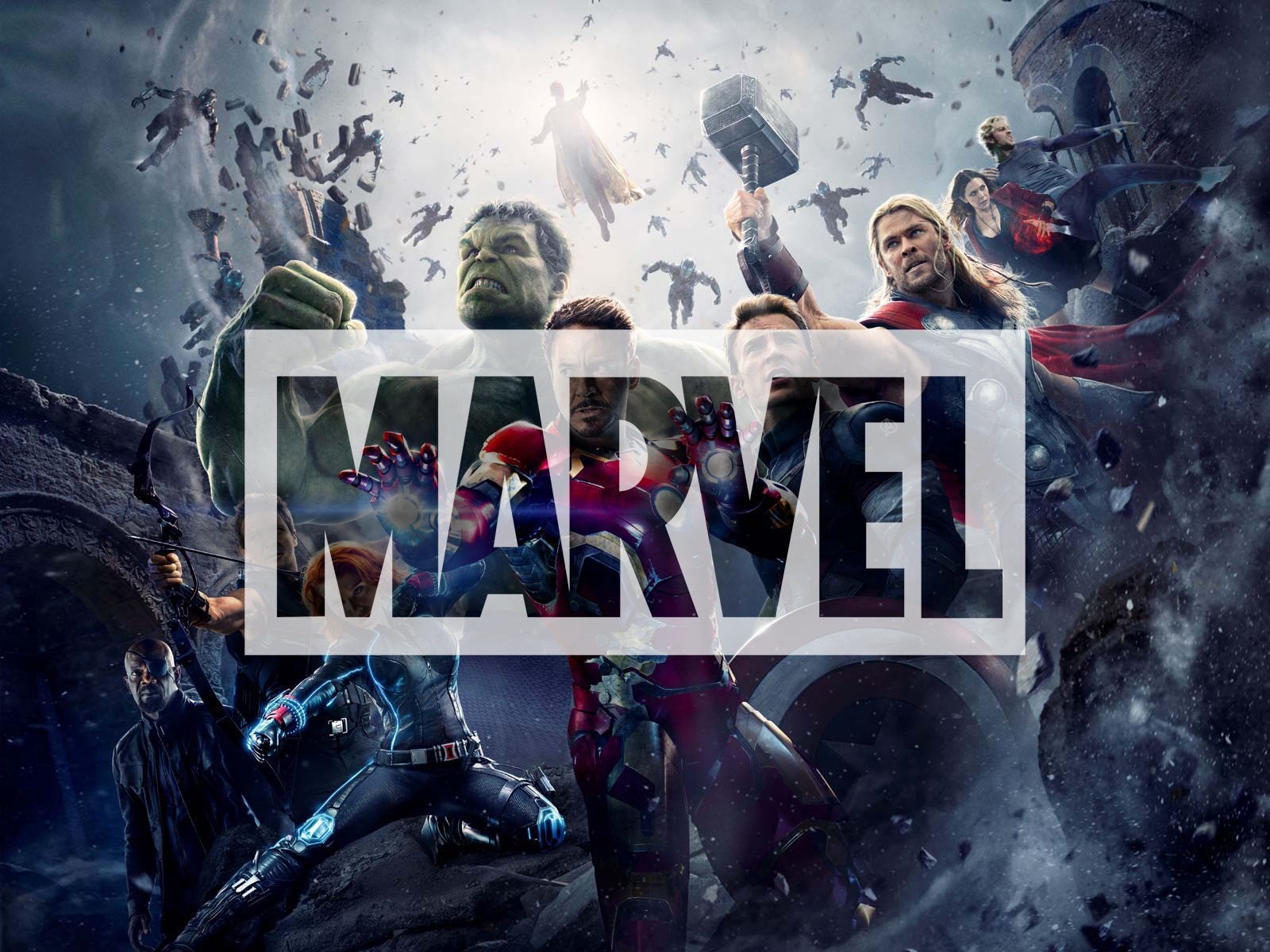
As with Pixar, Disney chose to preserve Marvel as a distinct brand rather than absorb it into the Disney identity. Marvel films continued to be released under the Marvel banner, with their own logos, tone and storytelling conventions, and the connection to Disney remained mostly in the background. Audiences experienced Marvel as Marvel, and Disney was content to let the brand retain its own character.
This decision reflected a clear brand-architecture judgment. Marvel's identity, built on decades of comics and a distinctive sensibility, would not have benefited from being labelled Disney, and might have been undermined by it. The value lay in keeping the brands separate at the point of contact with the audience while integrating the businesses behind the scenes, so that Disney's scale, distribution and marketing could amplify Marvel's output without diluting its identity.
An engine for the wider company
The acquisition proved extraordinarily productive. In the years that followed, the Marvel Cinematic Universe grew into one of the most commercially successful film franchises in history, a connected series of releases that reinforced one another and sustained audience engagement across many years. Individual films promoted the shared universe, and the shared universe lifted individual films, creating a self-reinforcing system of storytelling and revenue.
That system fed directly into the rest of Disney's business. Marvel characters became theme-park attractions, merchandise, television series and, later, key content for Disney's streaming service. The franchise engine that Disney had acquired in 2009 became a central driver of the company's growth across multiple divisions, extending far beyond the box office.
The Marvel deal also confirmed the acquisition strategy Disney had begun with Pixar. Buy a company with a powerful, well-defined brand and a loyal audience, preserve that brand at the surface, and integrate the operation behind it. Disney would apply the same approach again when it acquired Lucasfilm in 2012, assembling a portfolio of distinct, high-equity brands under a single corporate parent.
Seen from the present, the 2009 acquisition of Marvel stands as one of the most successful media deals of its era. It gave Disney a library of characters, a proven franchise system and a route to audiences it had struggled to reach, all while allowing the Marvel brand to retain the identity that made it valuable in the first place. It was a study in how to grow a company by respecting the brands it buys.
Written with AI assistance, edited by a human. Find out more about our Use of AI.