
Buying the partner it could not afford to lose
On 24 January 2006, The Walt Disney Company announced that it would acquire Pixar Animation Studios in an all-stock deal valued at around 7.4 billion US dollars. The acquisition brought under the Disney umbrella the studio that had led the industry's shift to computer animation, and it resolved a relationship that had grown both enormously profitable and increasingly strained. For Disney, it was one of the most consequential acquisitions in its history, and one whose effects reached far beyond the balance sheet.
The two companies were already deeply intertwined. Pixar had produced a string of landmark computer-animated films, beginning with Toy Story in 1995, and Disney had distributed and co-financed them under a partnership that had generated substantial returns for both. But the partnership had frayed, and negotiations to extend it had broken down. The acquisition replaced an uneasy alliance with full ownership, ensuring that Disney would not lose access to the most successful animation studio of its era.
Leadership as the real prize
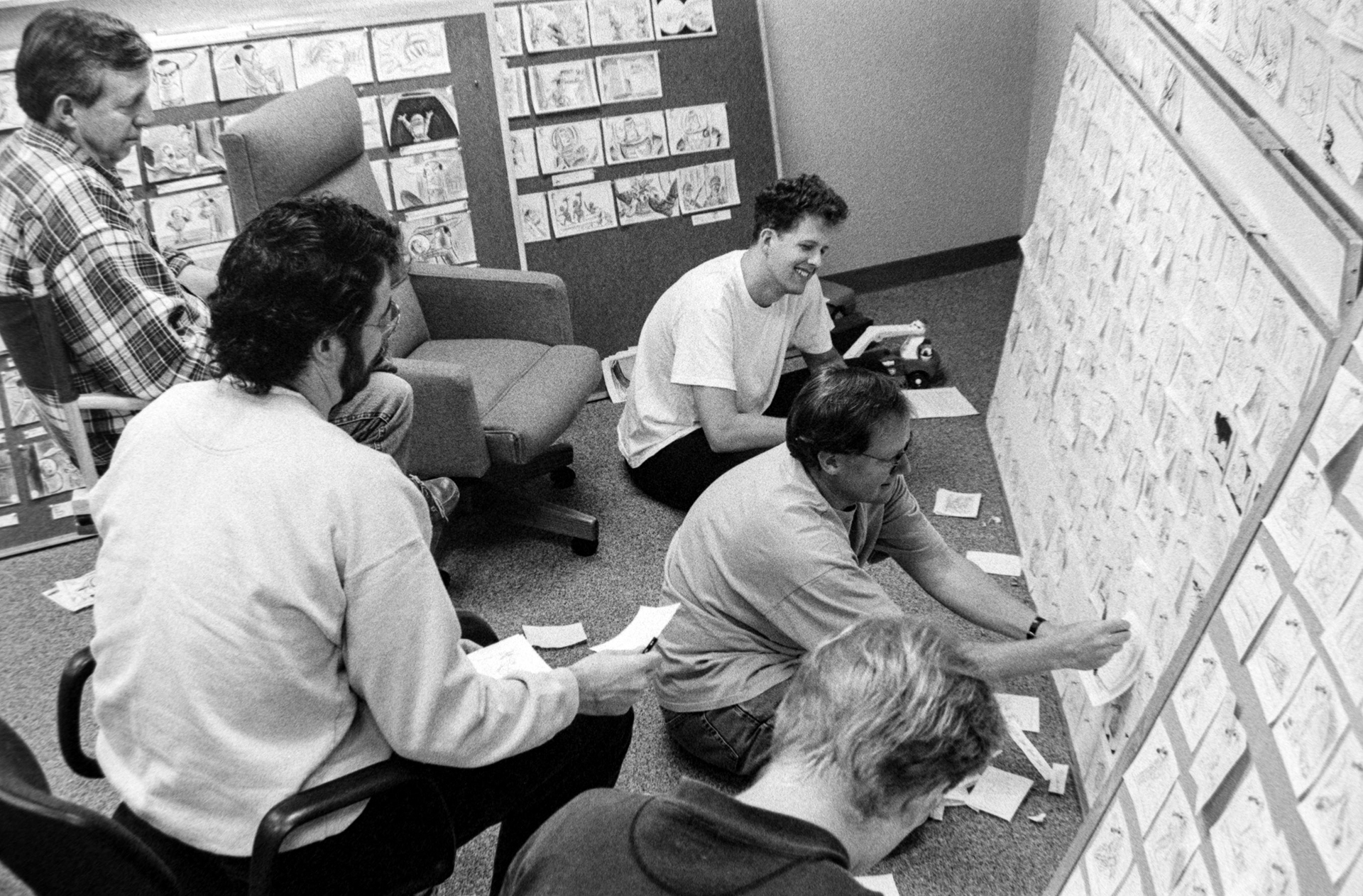
The most important element of the deal was arguably not the film library or the technology but the people. As part of the acquisition, Pixar's creative leadership, including Ed Catmull and John Lasseter, was given oversight of Disney's own animation operations. Disney's feature animation department had struggled through the early 2000s, and the company recognised that Pixar's creative culture was as valuable as its output.
Steve Jobs, who controlled a majority stake in Pixar, became the largest individual shareholder in The Walt Disney Company as a result of the all-stock transaction and joined its board. His involvement gave the deal additional weight and symbolised the scale of what Disney was absorbing. Rather than simply buying a supplier, Disney was importing a leadership team and a working philosophy, and betting that it could apply them to revive its own animation.
Two brands, kept distinct
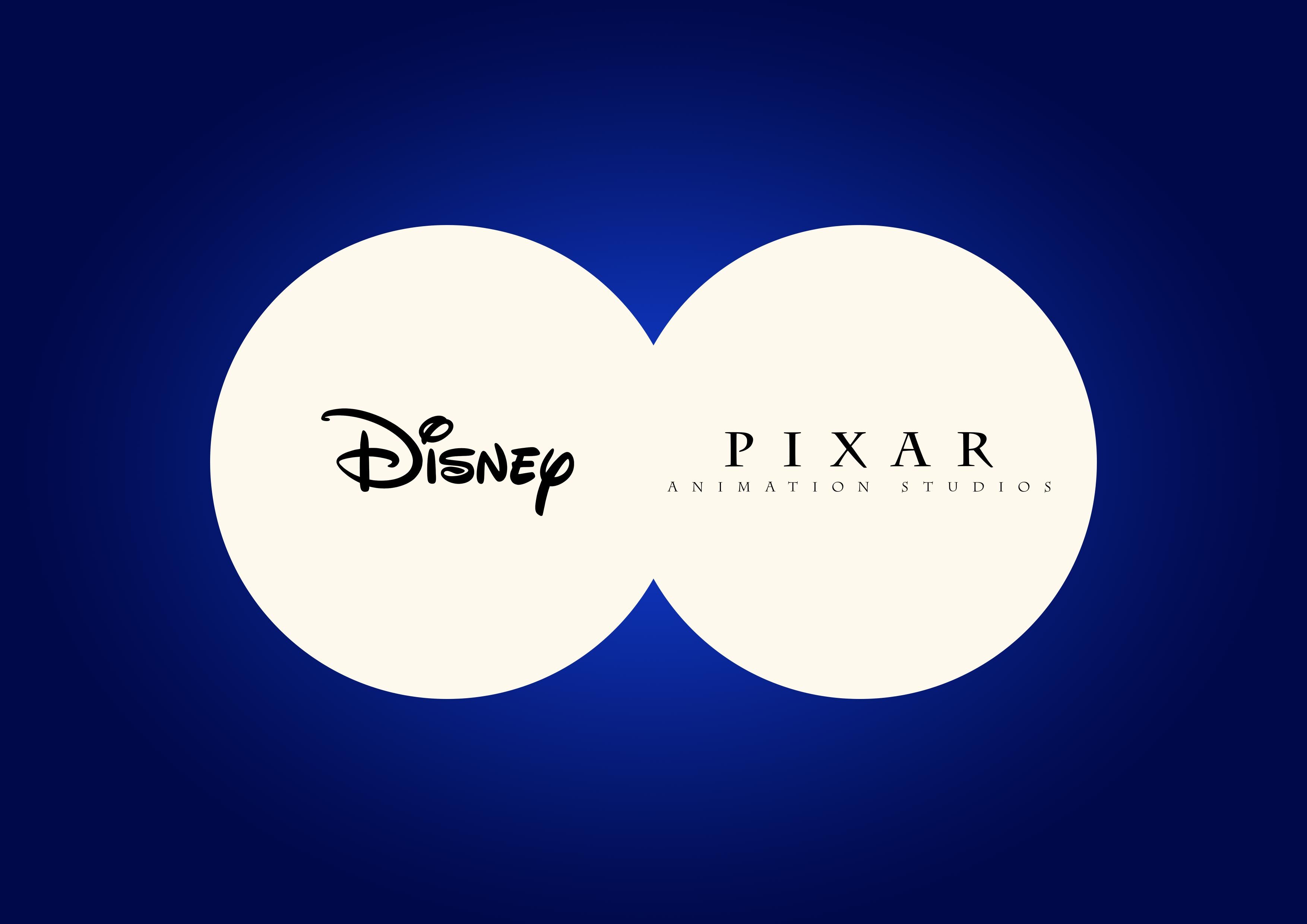
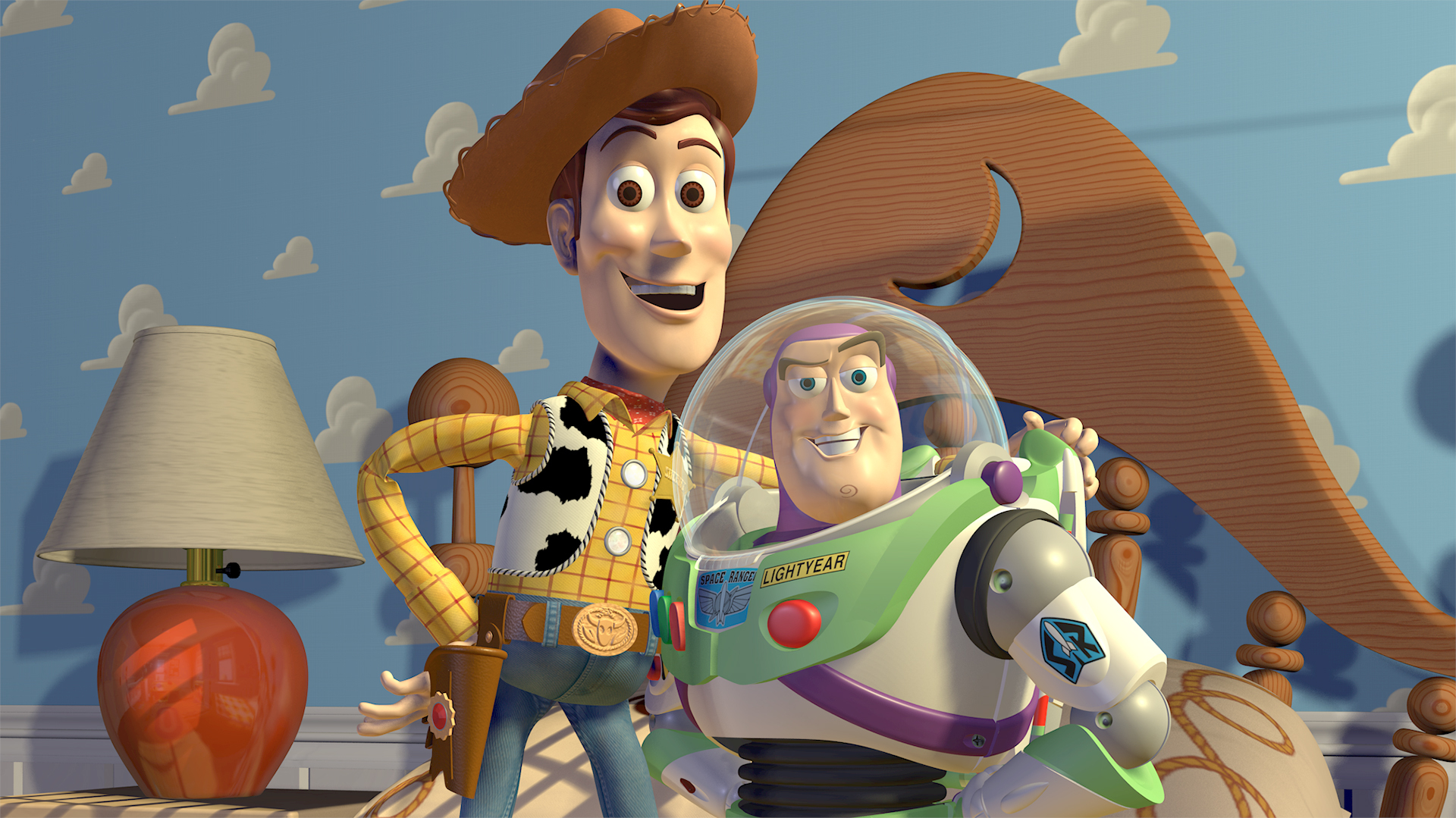
A striking feature of the acquisition was Disney's decision to preserve Pixar as a distinct brand rather than fold it into the parent identity. Pixar continued to release films under its own name and logo, retained its studio culture and campus, and kept the creative independence that had defined it. This reflected a clear brand-architecture judgment: Pixar's name carried enormous equity with audiences, associated with a particular blend of technical innovation and emotional storytelling, and diluting it into the Disney masterbrand would have destroyed value rather than created it.
The result was a house-of-brands approach within animation. Disney and Pixar operated as two separate studios under common ownership, each with its own identity, while sharing leadership and resources behind the scenes. Audiences continued to distinguish between a Disney film and a Pixar film, and Disney was content to let them, because both names benefited from the arrangement.
A revival that justified the price
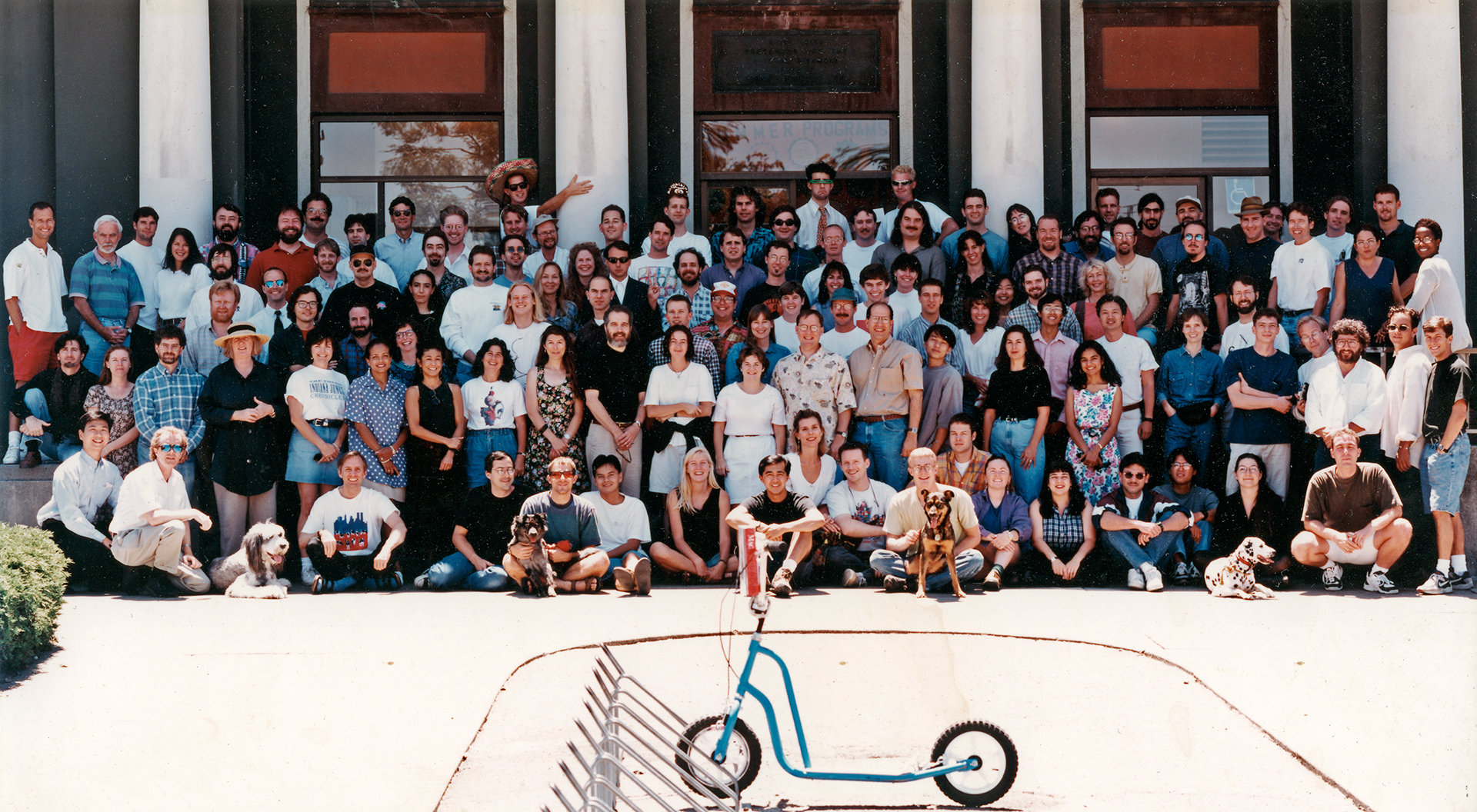
The acquisition delivered on its promise. Under the leadership brought in from Pixar, Disney's own animation studio returned to critical and commercial strength in the years that followed, while Pixar continued to produce successful films of its own. The combined animation output became one of the most valuable engines in the company, feeding the same integrated system of merchandise, theme-park attractions and franchises that had long defined Disney's model.
The Pixar deal also set a pattern. It demonstrated that Disney could grow by acquiring strong, independent brands and preserving their identities rather than absorbing them, a strategy the company would apply again with its later acquisitions of Marvel and Lucasfilm. Each of those deals followed a similar logic: buy a company with a powerful brand and a loyal audience, keep that brand intact, and integrate the business behind the scenes.
Seen from the present, the 2006 acquisition of Pixar reads as a turning point for Disney. It rescued the company's animation ambitions at a low moment, brought in the leadership that would guide its creative output for years, and established the acquisition playbook that would define Disney's expansion in the decade that followed. It was, in every sense, a deal about the future of the brand.
Written with AI assistance, edited by a human. Find out more about our Use of AI.