A sub-label named after the company's own past
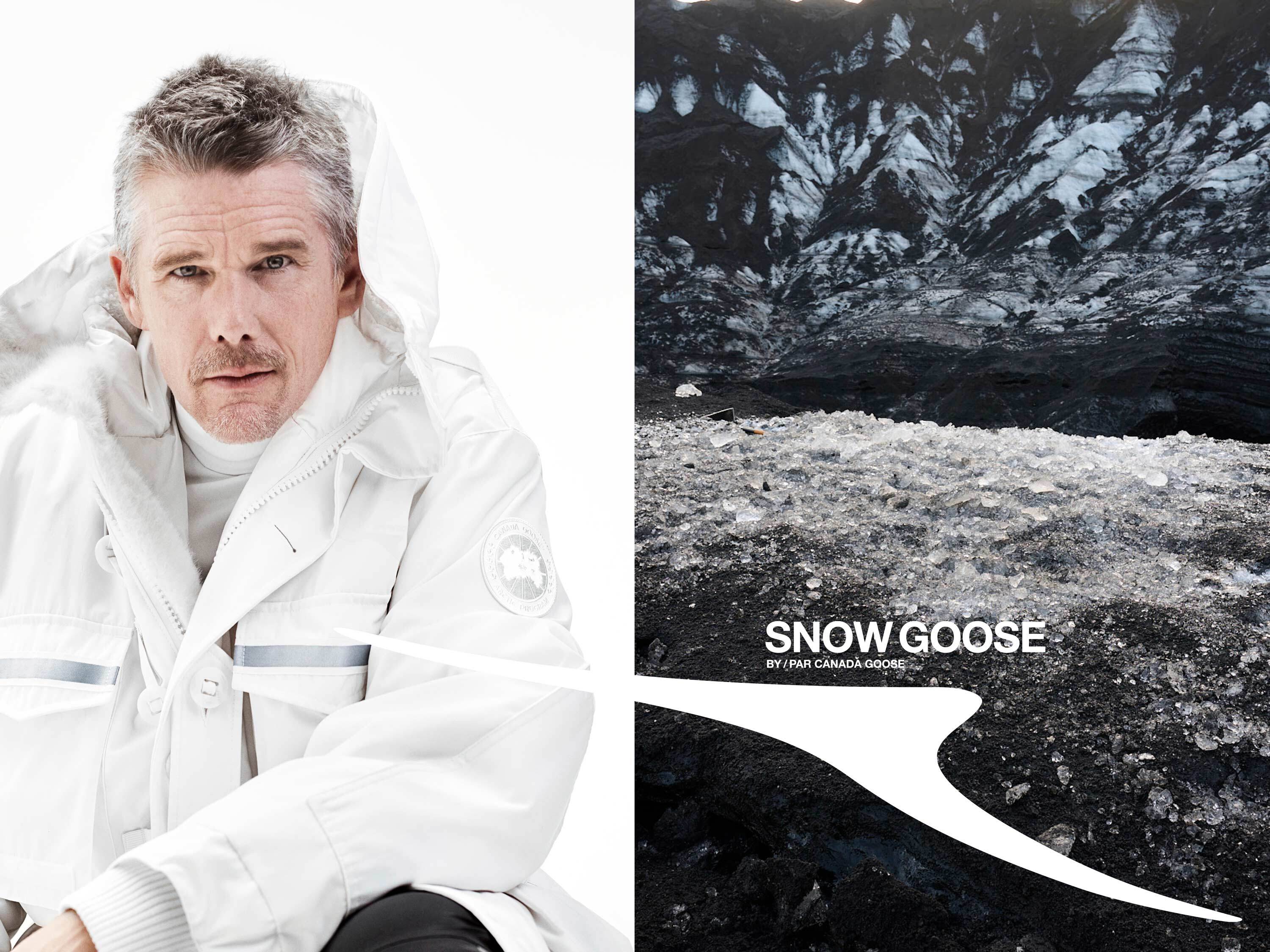
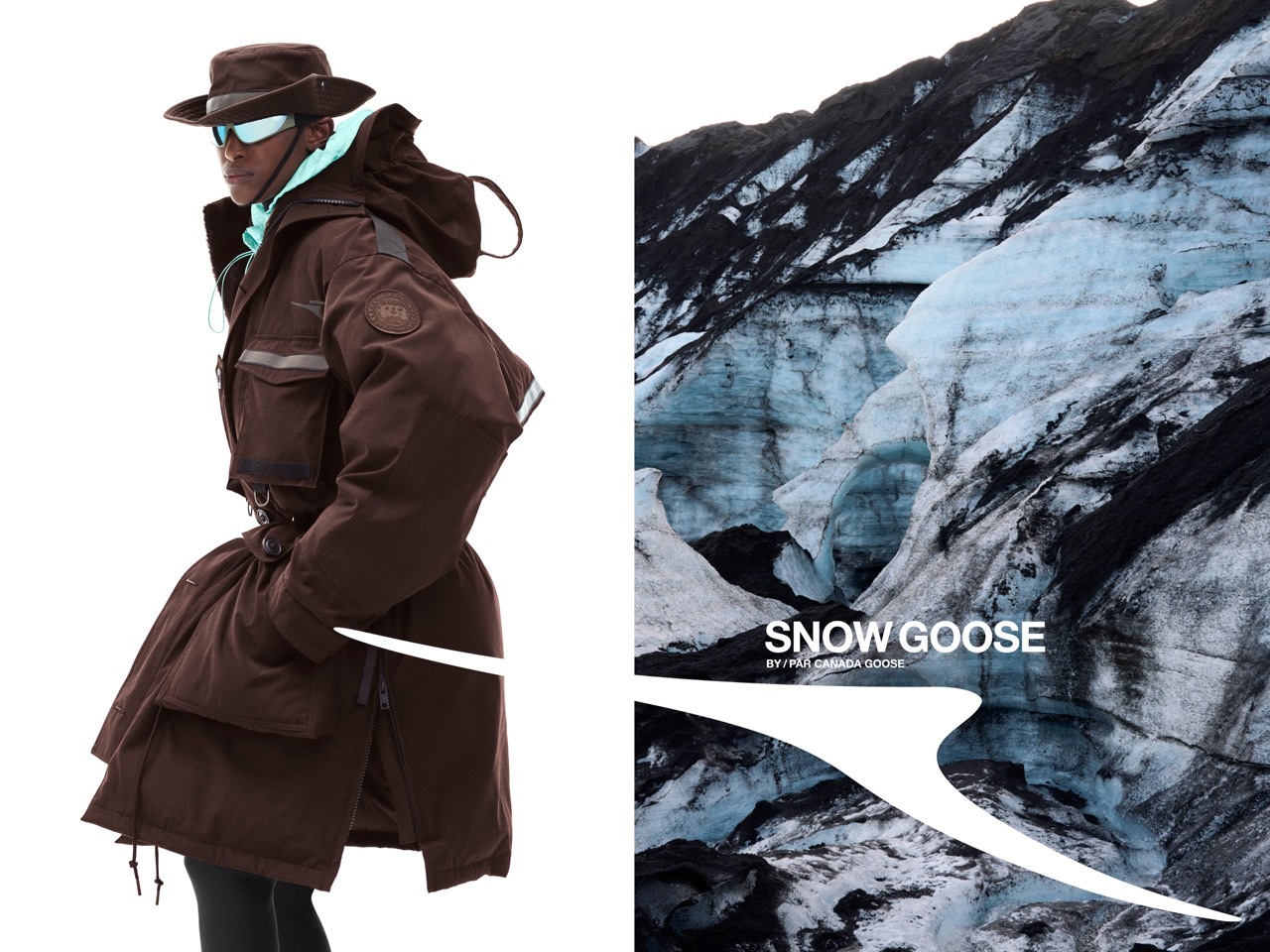
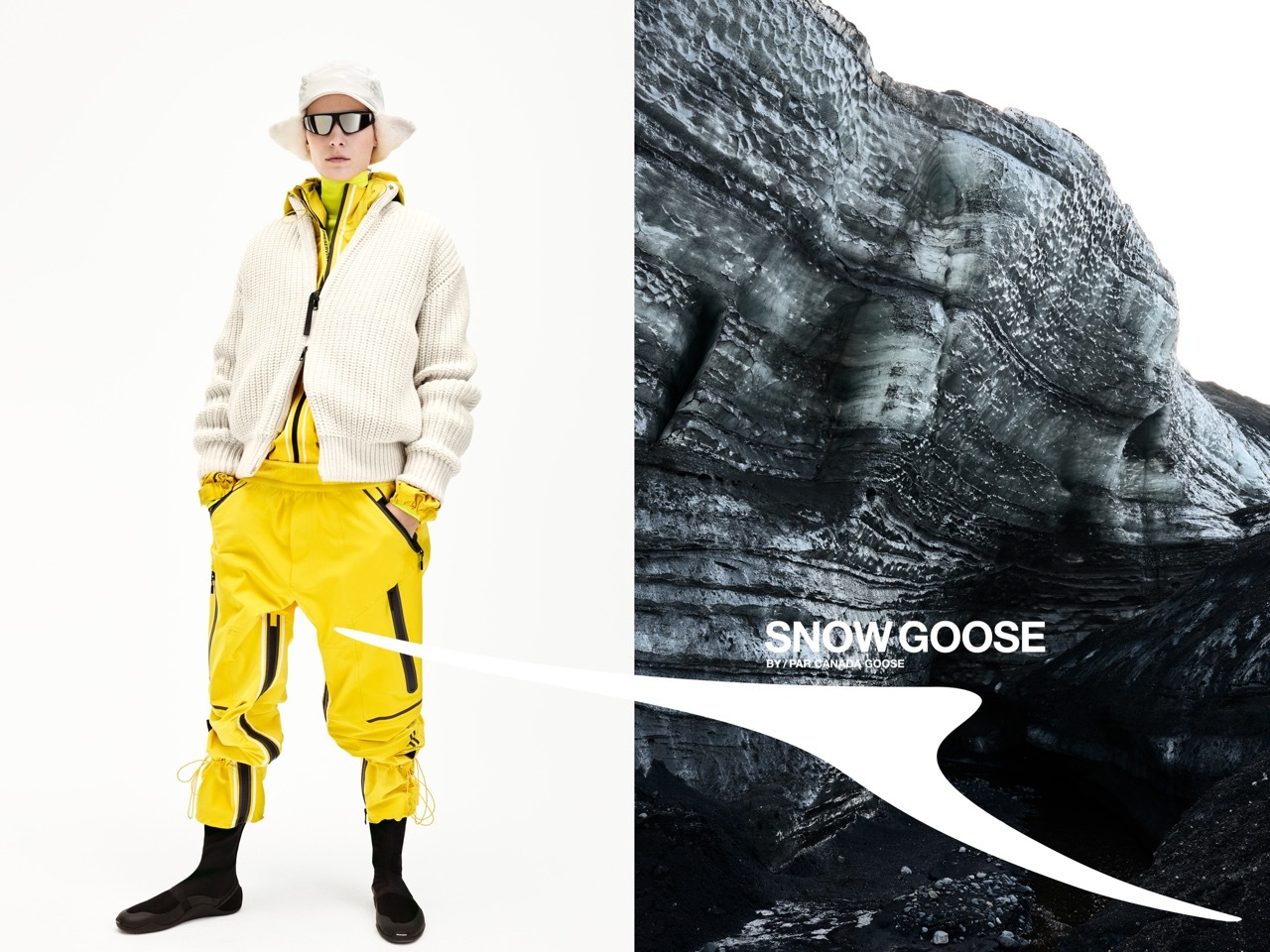
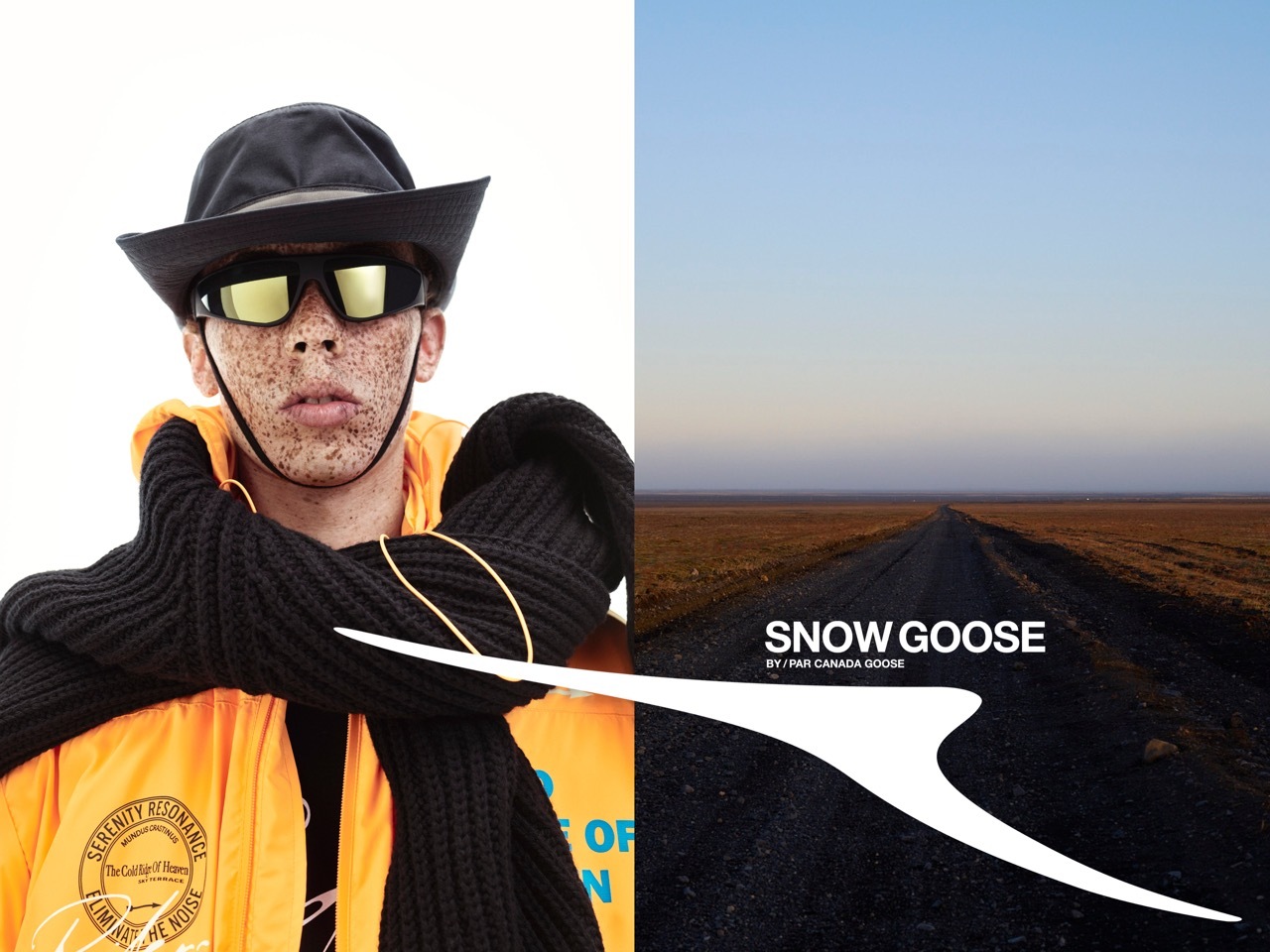
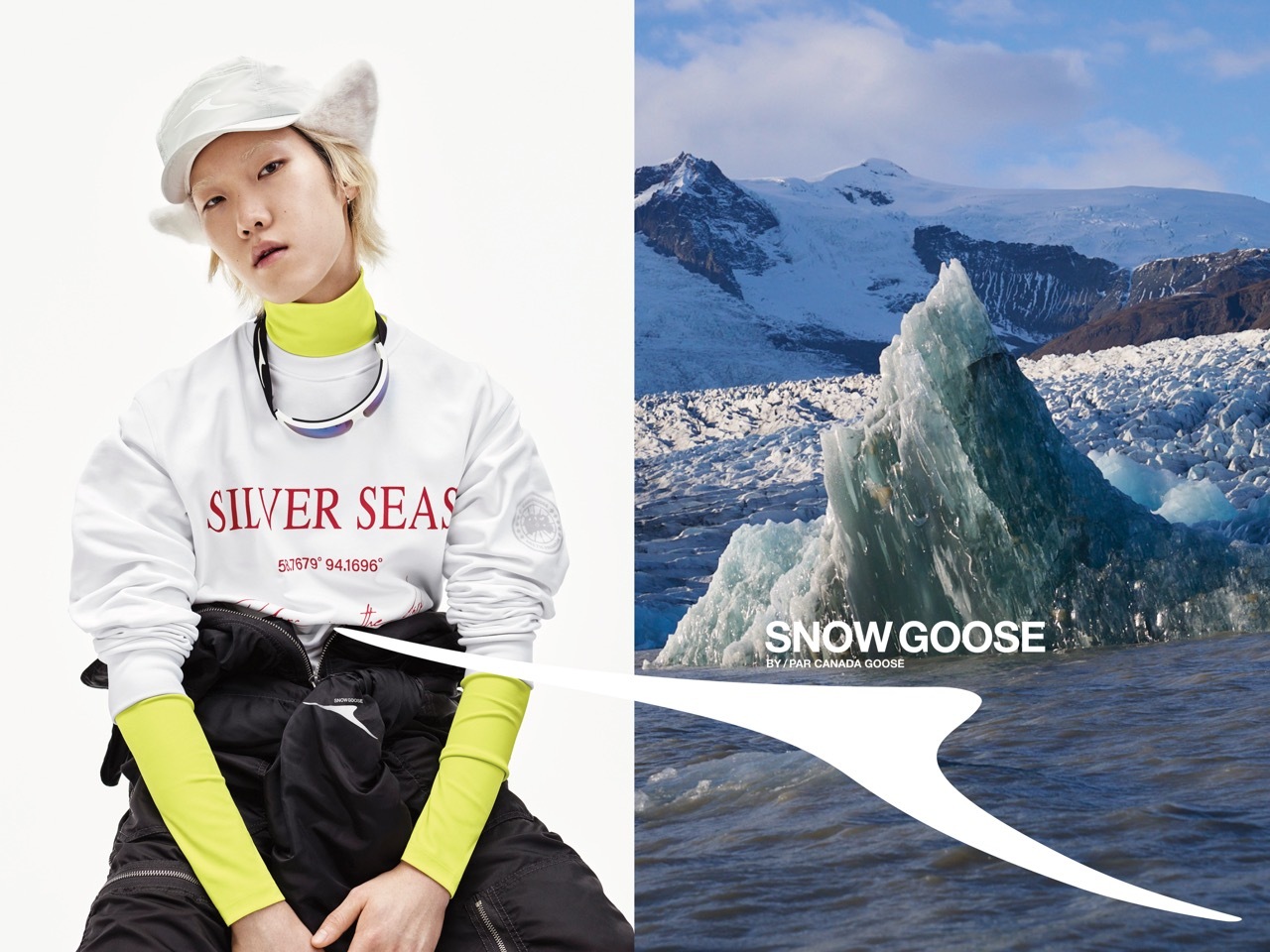
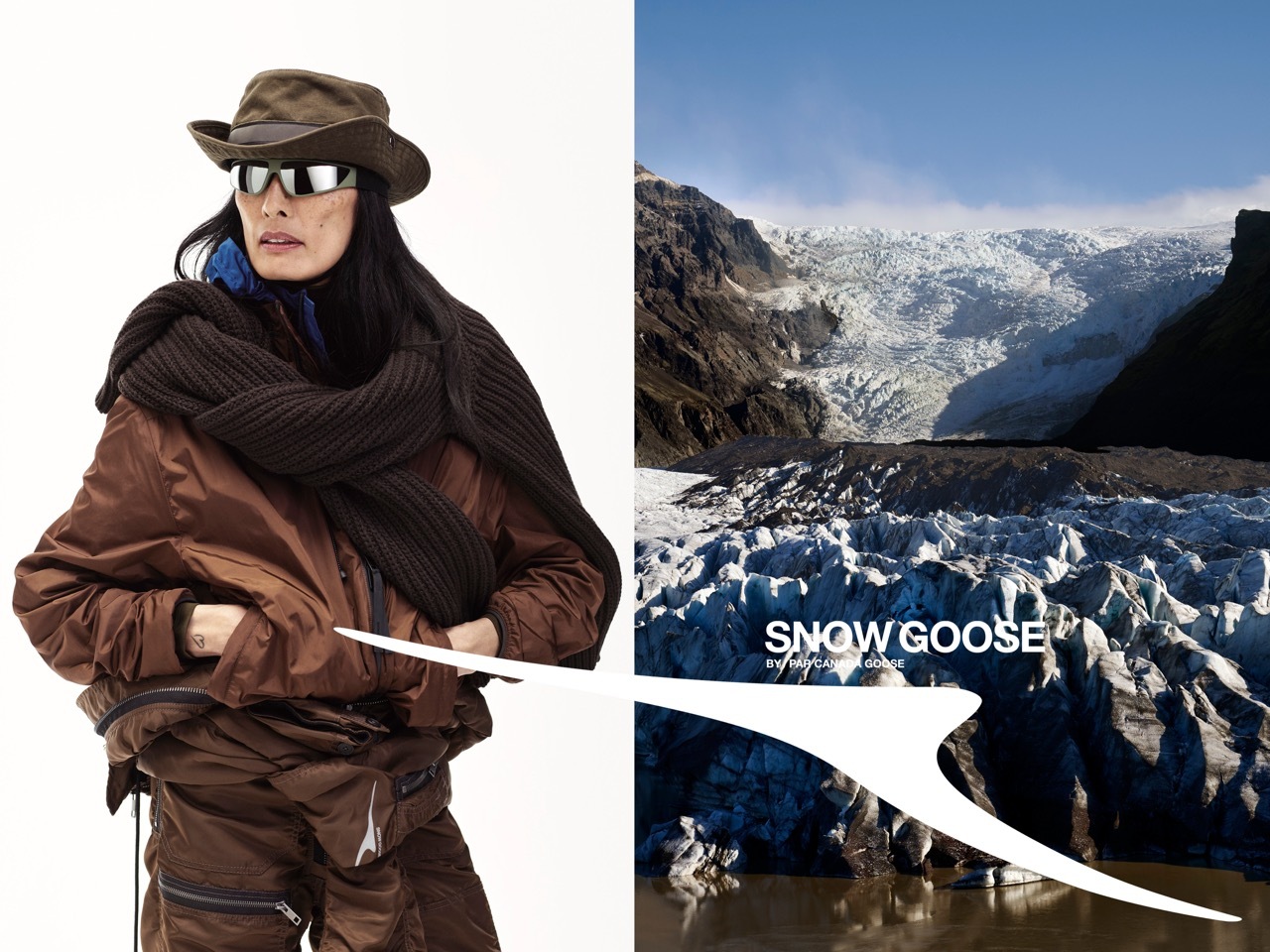
On 26 November 2024 Canada Goose released the first capsule collection of Snow Goose by Canada Goose, designed by Haider Ackermann, who had been appointed the company's first Creative Director in May 2024. The Fall Winter 2024 collection ran from parkas and jackets to knitwear, hats and socks. Willy Vanderperre photographed the campaign, with the actor Ethan Hawke and the model Julia Nobis.1
The name was not invented for the occasion. David Reiss renamed the company Snow Goose in 1985, and it traded under that name until 2000, when it became Canada Goose at his son Dani Reiss's urging. Through the late 1970s the company had already supplied parkas under the Snow Goose name to police, corrections officers, park rangers and other public sector workers.2
Why a discarded name is worth reviving
Most brands create a sub-label by inventing a word or by appending one to the parent. Both approaches have the same weakness: the new name has no content, so everything it will ever mean has to be supplied by marketing.
Snow Goose arrives with content already in it, and the content is documented. It is the name the company used in the period when its customers were people issued clothing for work rather than people choosing it in a store. That is a specific and unglamorous authority, and it is the authority a fashion capsule most needs, because the objection to a designer collection from a technical brand is always that the technical part has become decoration.
It also solves a problem of distance. A creative director's collection sold under the parent name competes with the parent's own product and blurs both. Sold under a name the parent itself used to carry, it reads as a separate chapter of the same company rather than as a departure from it. The distance is real and the lineage is real, which is rare.
The two words help as well. Snow Goose and Canada Goose share their second half, so the family relationship is legible at a glance and needs no explaining, while the first word swaps a country for a condition. One name locates the company. The other describes what it is for.
What it costs to hand a heritage name to an outsider
Ackermann is not a technical outerwear designer, and the collection he produced is not organised around a temperature rating. His statement of intent is about the effect of being outdoors rather than about surviving it: "Being surrounded by nature allows one to be connected with oneself, it reflects, it inspires, it provokes."1
That is a legitimate position and it is not the parent's position. Canada Goose sells protection from nature; this line sells exposure to it. Running the two propositions under one company is only possible because they carry different names, and the revived name is what makes the separation legible without a new brand having to be built from nothing.
The casting follows the same logic. Ethan Hawke is an actor and activist rather than an athlete or an explorer, and his line in the campaign is domestic in scale: "I find that it is important to get out of the city and go for a walk in the woods."1 A walk in the woods is not what an expedition parka is designed for, and the campaign does not pretend otherwise.
The architecture this creates
The result is a two-storey structure with an unusual property. The parent brand holds the performance claim and the badge with the Arctic disc. The sub-label holds the fashion relationship, the designer credit and the campaign photography, and it is free to be interpreted season by season because nothing in the technical record depends on it.
The arrangement also gives the company somewhere to put a creative director's work without that work having to answer for the core product. A first creative director at a technical brand is a risk in exactly one direction, which is that the technical customer reads the appointment as a signal about where the company is going. Snow Goose absorbs the signal.
It works in the other direction too. A designer arriving at a company with a strong house style is usually asked to reconcile his work with it, and the reconciliation is what limits most such appointments. A separate label removes the requirement, and what Ackermann produces has to be good rather than consistent with a parka.
What it cannot do is stay quiet. A sub-label named after the parent's own history draws attention to that history, and the more successful the capsules become, the more the company has to keep the two names distinct in the customer's mind. In 2000 the company set the Snow Goose name aside. In 2024 it decided the name was worth more as a second brand than as a discarded one.
Written with AI assistance, edited by a human. Find out more about our Use of AI.
1. Canada Goose, "Haider Ackermann Releases His First 'Snow Goose by Canada Goose' Capsule Collection", investor news release, 26 November 2024, read 24 September 2026, for the release date, for Haider Ackermann's appointment as Creative Director in May 2024, for the Fall Winter 2024 collection and its range from outerwear to knitwear and accessories, for Willy Vanderperre as photographer and Ethan Hawke and Julia Nobis in the campaign, and for the quotations from Haider Ackermann, Creative Director, and Ethan Hawke. Ackermann's sentence is joined in the release by an en dash, which this journal does not reproduce; a comma stands in its place. https://investor.canadagoose.com/news/news-details/2024/Haider-Ackermann-Releases-His-First-Snow-Goose-by-Canada-Goose-Capsule-Collection/default.aspx
2. Wikipedia, "Canada Goose Inc.", read 24 September 2026, for David Reiss acquiring majority ownership and renaming the company Snow Goose in 1985, for Dani Reiss changing the name to Canada Goose in 2000, and for the company supplying parkas under the Snow Goose name through the late 1970s to police, corrections officers, park rangers and other public sector workers. https://en.wikipedia.org/wiki/Canada_Goose_Inc.