
A purchase that was really a homecoming
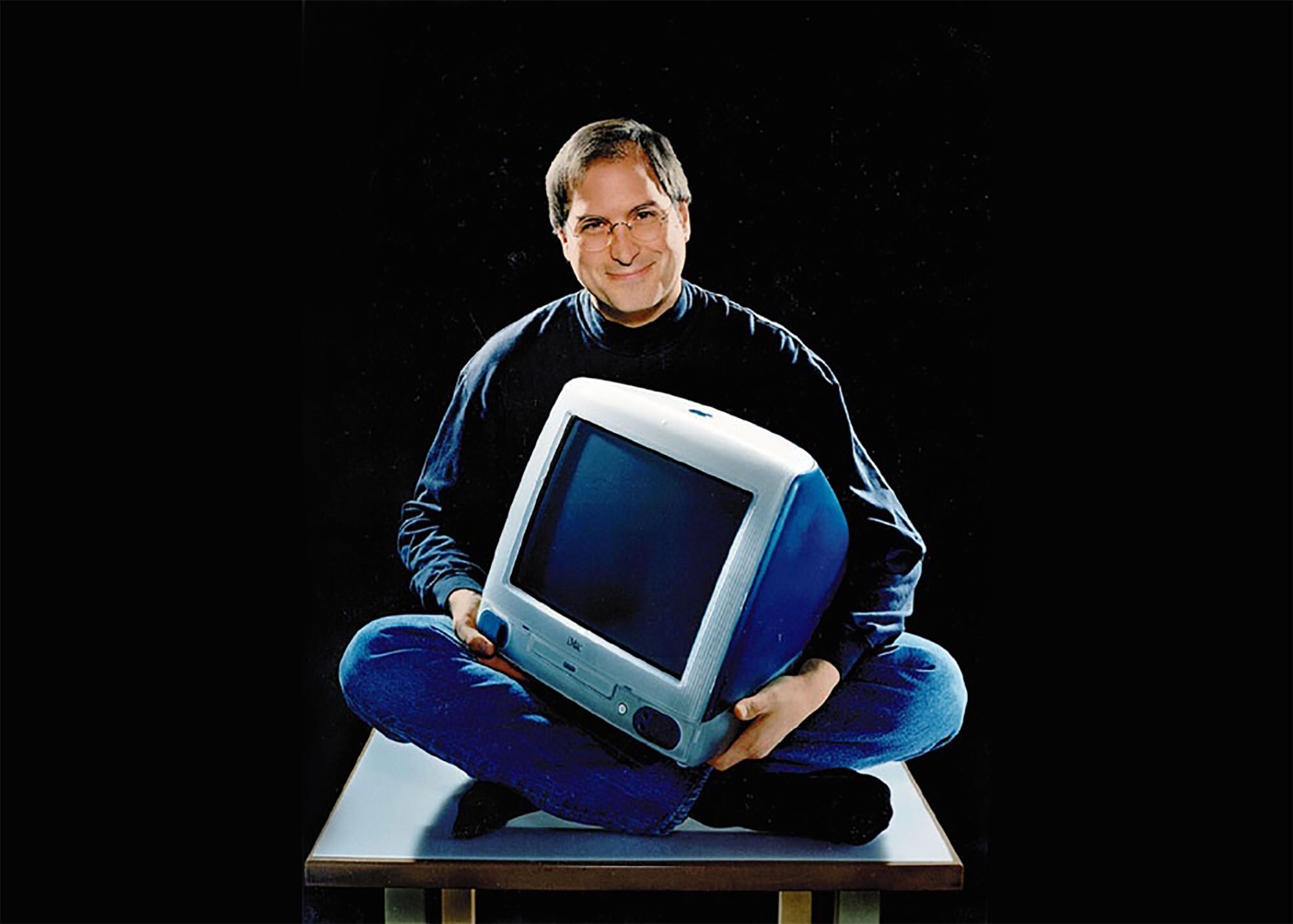
On 20 December 1996, Apple announced that it would acquire NeXT, the company Steve Jobs had founded after leaving Apple in 1985. The stated reason was technical. Apple needed a modern operating system, and NeXT had one. The deeper consequence was that the founder came back with it. Within months Jobs had moved from adviser to the centre of power, and by September 1997 he was interim chief executive, a title he wore with the half-serious label "iCEO." A software deal had become the return of the man who defined the brand.
Apple in 1996 was close to collapse. It was losing money, its product line had sprawled into confusion, and commentators openly discussed whether the company would survive the decade. The brand that the Macintosh had made distinctive in 1984 had blurred into a catalogue of overlapping machines with names few could tell apart. The turnaround that followed is one of the clearest examples in business history of brand recovery through subtraction.
Focus as a branding tool
Jobs's first major act was to cut. He reduced a confusing range of products to a simple grid of four: a desktop and a portable, each in a consumer and a professional version. He ended the licensing programme that had allowed other manufacturers to make Macintosh clones, arguing that it drained the brand of its value without building the company. He cancelled projects, including the Newton handheld, that diluted attention. Each decision was framed not as cost cutting but as clarity.
This was branding through discipline. By narrowing what Apple made, Jobs narrowed what Apple meant. A customer could once again say what the company stood for, because the company itself had decided. The lesson that focus is a form of positioning runs through everything Apple did afterward, and it began in these first months of the return.
The truce with Microsoft
In August 1997, at the Macworld Expo in Boston, Jobs announced that Microsoft would invest 150 million dollars in Apple and continue to develop its software for the Mac. The audience booed the image of Bill Gates on the screen, but the deal was a shrewd branding move. It removed the immediate threat of Apple being seen as a dying platform, and it let the company stop fighting a war it could not win so that it could rebuild its own identity. A rival's endorsement, however uncomfortable, bought Apple time to become itself again.
The moment showed a mature understanding of what the brand needed. Apple did not need to defeat Microsoft. It needed to survive, refocus, and remind the world what made it different. Accepting help from the enemy was less important than the story Jobs wanted to tell next.
Think different
That story arrived in the "Think different" campaign, launched in 1997 and explored in our verse on the Think different campaign of that year. The advertising did not show a single product. It showed figures such as Einstein, Gandhi, and Picasso, and it aligned Apple with creativity and nonconformity rather than specifications. Coming at the moment of the founder's return, the campaign was as much a statement of intent as an advertisement. It told the market that Apple remembered who it was.
The genius of the timing was that the campaign restored the brand's meaning before the products could. Apple could not yet ship the machines that would prove the promise. What it could do was reclaim its position as the humane, creative alternative, the identity the Macintosh had first established. The advertising held the brand together while the company rebuilt the substance behind it.
The foundation for everything that followed
The return of Steve Jobs set the stage for the iMac in 1998, the iPod in 2001, and the iPhone in 2007, but its most important work was done in the first year. Jobs took a brand that had lost its meaning and gave it back a single, confident idea. He proved that recovery is often a matter of removing rather than adding, and that a clear position is worth more than a full catalogue. For a branding journal, 1997 is the year Apple stopped being a struggling computer maker and became, once again, the company that thought different.
Written with AI assistance, edited by a human. Find out more about our Use of AI.