
The tantrum, borrowed
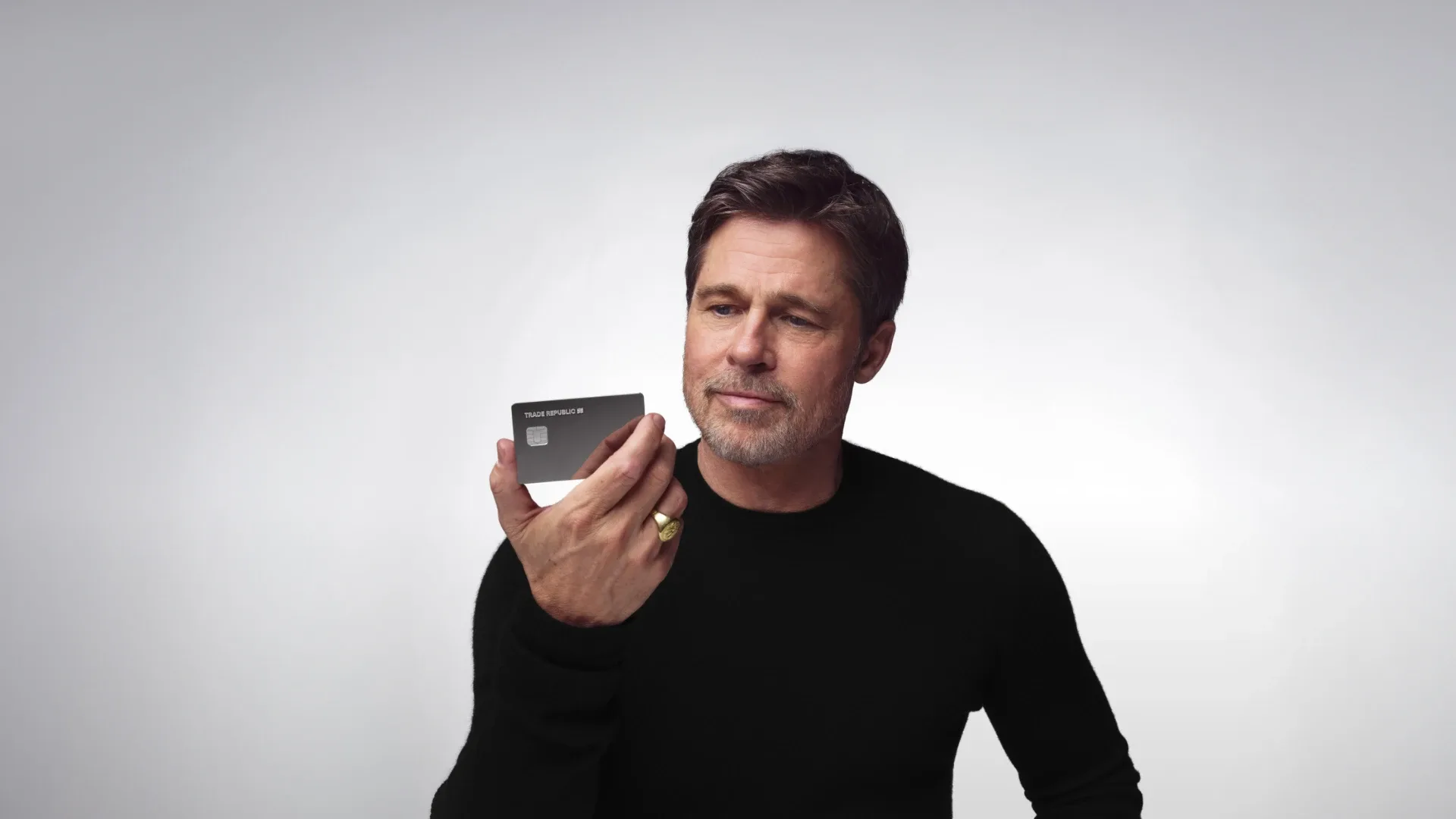
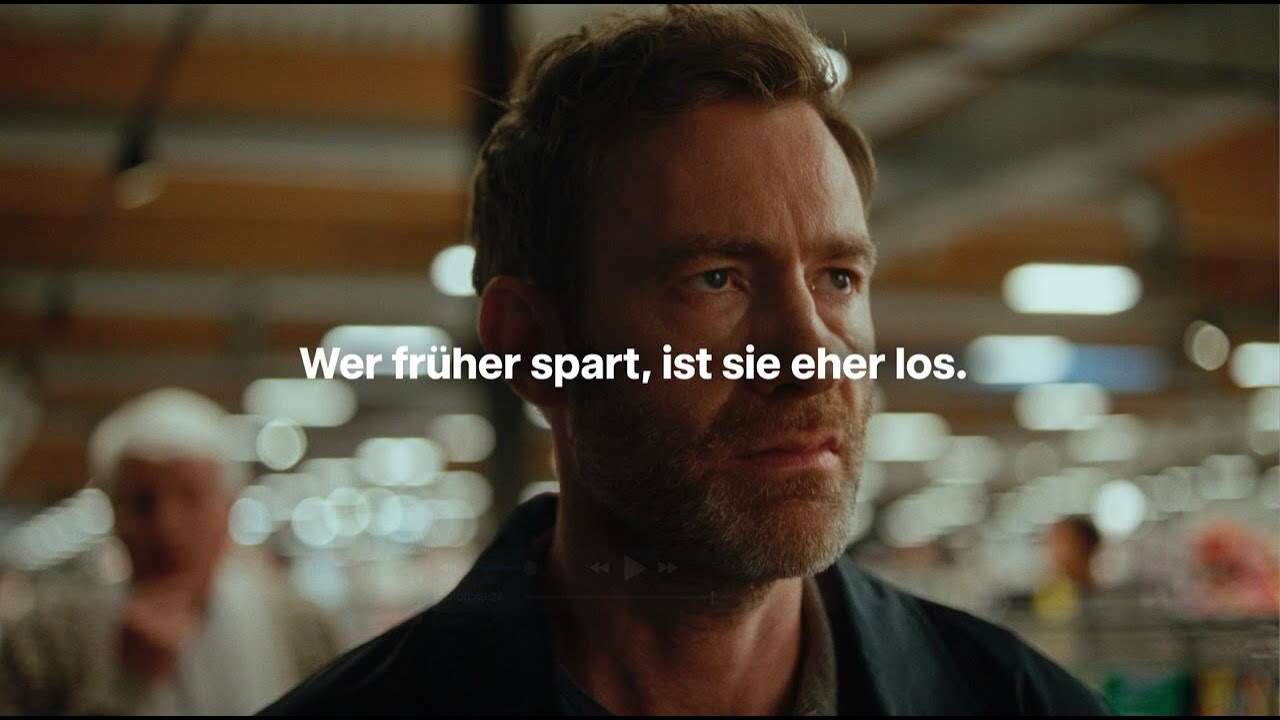
Trade Republic advertises its Kinderdepot, a securities account opened in a child's name, with a television film set in a supermarket.1, 2 A small boy melts down in an aisle while an adult looks on. The staging is recognisable on sight, because it belongs to a commercial that circulated widely in the 2000s and has been reposted ever since.
The original is the Zazoo condoms supermarket film, catalogued as Little Boy, made in Belgium by Duval Guillaume.3, 4, 5 A child rampages through a supermarket, a father stands helpless, and the film closes on two words: use condoms.3, 6
What the original did
The Zazoo film worked by withholding the product until the last frame. Until then it is a comedy about a child, and the closing line retroactively converts everything before it into an argument. Nobody is told anything; the viewer works it out.
Borrowing a construction that well known is a deliberate act, not an accident of similarity. The reference is not hidden: urbanuncut, the production company behind the Trade Republic film, names the Zazoo campaign in its own case notes.2 Stating the reference rather than implying it puts the new film into direct comparison with the original.
The inversion
What has been changed is the conclusion. Zazoo used the tantrum as a reason not to have children. Trade Republic uses the same scene as a reason to start saving for the one already in the trolley. The film lands on the argument that the earlier a parent thinks about a child's future, the sooner that child can stand on their own feet.2
The inversion is what makes the reference worth making. A straight remake would be a joke about recognition and nothing more. Turning the punchline over converts borrowed material into the argument the brand actually needs, which is that the cost of a child is not a reason for despair but a reason for a savings plan. The supermarket setting keeps the frame familiar while everything inside it belongs to the new advertiser.
There is a second reason the borrowing lands. Zazoo sold a product bought in private and rarely discussed. Trade Republic sells one opened in a child's name and shown to relatives. Reusing the same scene across that distance is what turns the reference into a comment rather than a copy.
Source: Trade Republic Youtube
The product behind the spot
The account being advertised is opened in the child's name. Trade Republic charges nothing for account management, executes savings plans without fees and pays 2 percent a year on the balance.1 Opening takes minutes in the app. On 22 July 2025 the company reports 100,000 of these accounts within two months of launch and, on its own figures, more than 100 billion euros under management across 17 markets.1 It opens a bonus window running to 19 August with 100 euros in exchange-traded funds for each new child account.1
Two features go beyond the terms. A godparent function lets friends and relatives pay into the account regularly, which turns a private product into a shared one and gives the brand a route into households that have never used it.1 And the tax framing, that an account held in the child's name draws on the child's own allowances, which the announcement puts at roughly 13,000 euros a year, gives parents a reason that has nothing to do with markets.1
The bonus is structured to start a habit rather than to buy a signup. The 100 euros arrives only after a deposit of at least 100 euros and three investments within 21 days, and existing customers receive their own 100 euro bonus for each referred household that opens an account.1 The advertising brings the parent in, and the conditions get the savings plan running before the campaign window closes.
Naming a benefit after a state payment
The benefit is named Trade Republic Kindergeld. Together with Vanguard, the company reinvests the fees from selected Vanguard exchange-traded funds into the child's account every month until the child turns 18.1 Kindergeld is the German state child benefit, paid to parents on a fixed monthly schedule.
Appropriating it is a compact argument. It says the private account behaves like the public one, arrives on the same schedule and belongs in the same mental slot, while quietly setting up the comparison the brand wants. One of the two is a transfer that gets spent. The other compounds until adulthood.
Christian Hecker states the underlying case: "Our children will grow into an uncertain pension system and need significantly more private provision than earlier generations. Early saving makes the difference."1 The film carries none of that reasoning, only the scene.
Source: Ramadan 2024 Official Youtube
Written with AI assistance, edited by a human. Find out more about our Use of AI.
1. Trade Republic, "Nur wenige Wochen nach dem Marktstart erreicht Trade Republic 100.000 Kinderdepots", press release in German, Berlin, 22 July 2025, for the Kinderdepot as a securities account opened in a child's name, for the free account management, the free savings plan execution and the 2 percent annual interest on the whole balance, for the account opening being fully digital and possible within minutes in the app, for the 100,000 child accounts reached in less than two months, for the more than 100 billion euros under management and the customers in 17 European countries, for the bonus flight from 22 July to 19 August 2025 with 100 euros in exchange-traded funds per new child account and its conditions, given there as "Es müssen mindestens 100 Euro in das Kinderdepot eingezahlt und innerhalb der ersten 21 Tage drei Investments durchgeführt werden", for the 100 euro share bonus paid on a successful referral, for the godparent feature, given there as "Über die neue Sparpaten-Funktion können Freunde und Familie das Kind regelmäßig durch Einzahlungen unterstützen", for the annual tax allowance of potentially around 13,000 euros per child, for the Trade Republic Kindergeld benefit under which Trade Republic and Vanguard reinvest the running fund costs of selected Vanguard ETFs into the child account monthly until the child turns 18, and for the Christian Hecker quotation. Hecker is identified in the release as Mitgründer von Trade Republic, and the first sentence of his quotation reads there: "Unsere Kinder werden in ein unsicheres Rentensystem hineinwachsen und deutlich mehr private Vorsorge benötigen als frühere Generationen." The words the body renders as "Early saving makes the difference" close the same quotation two sentences later and read "Denn frühes Sparen macht den Unterschied", completed in the release by the words "ob für das Studium oder die spätere Altersvorsorge". https://assets.traderepublic.com/assets/files/250722_CSA_RAF_PressRelease_DE_DE.pdf
2. urbanuncut, "Kinderdepot", production company case page for the Trade Republic film, 2025, for urbanuncut having produced the supermarket film for Trade Republic, for the case notes naming the borrowing themselves, given there as "Inhaltlich basiert der Spot auf der legendären Kampagne von Zazoo Condoms", and for the argument the film lands on, given there as "Je früher du an ihre Zukunft denkst, desto eher können sie auf eigenen Beinen stehen". https://www.urbanuncut.de/portfolio-item/trade-republic-kinderdepot/
3. Lürzer's Archive, "Zazoo Condoms", for the Zazoo supermarket film being the work of Duval Guillaume, Brussels, for Zazoo Condoms as the client, and for the action of the film, a child tipping out a shelf, screaming and stamping on the supermarket floor while the father stands by helpless. The page dates the work 2006 where the D&AD entry in footnote 4 dates it 2004, which is why the body names no year. https://www.luerzersarchive.com/work/zazoo-condoms-2/
4. D&AD, "Little Boy", Professional Awards 2004, Film, Wood Pencil, for the catalogued title Little Boy, the client Zazoo Condoms and the country Belgium. Fetched during the retrofit as the reachable replacement for the AdForum entry in footnote 5, which carries the same title. https://www.dandad.org/awards/professional/2004/tv-cinema-advertising-non-english-language/13404/little-boy/
5. AdForum, "Zazoo, Little Boy", the catalogue entry the verse was written from, for the spot's catalogued title and its credits, page not reachable on 18 September 2026. https://www.adforum.com/creative-work/ad/player/30167/little-boy/zazoo
6. AdsSpot, "Zazoo: LITTLE BOY, Film by Duval Guillaume Modem Antwerp", for the two words the film closes on, carried there as the tagline "Use condoms", off whitelist and used for corroboration only. https://adsspot.me/media/tv-commercials/zazoo-little-boy-c08b860be7d1