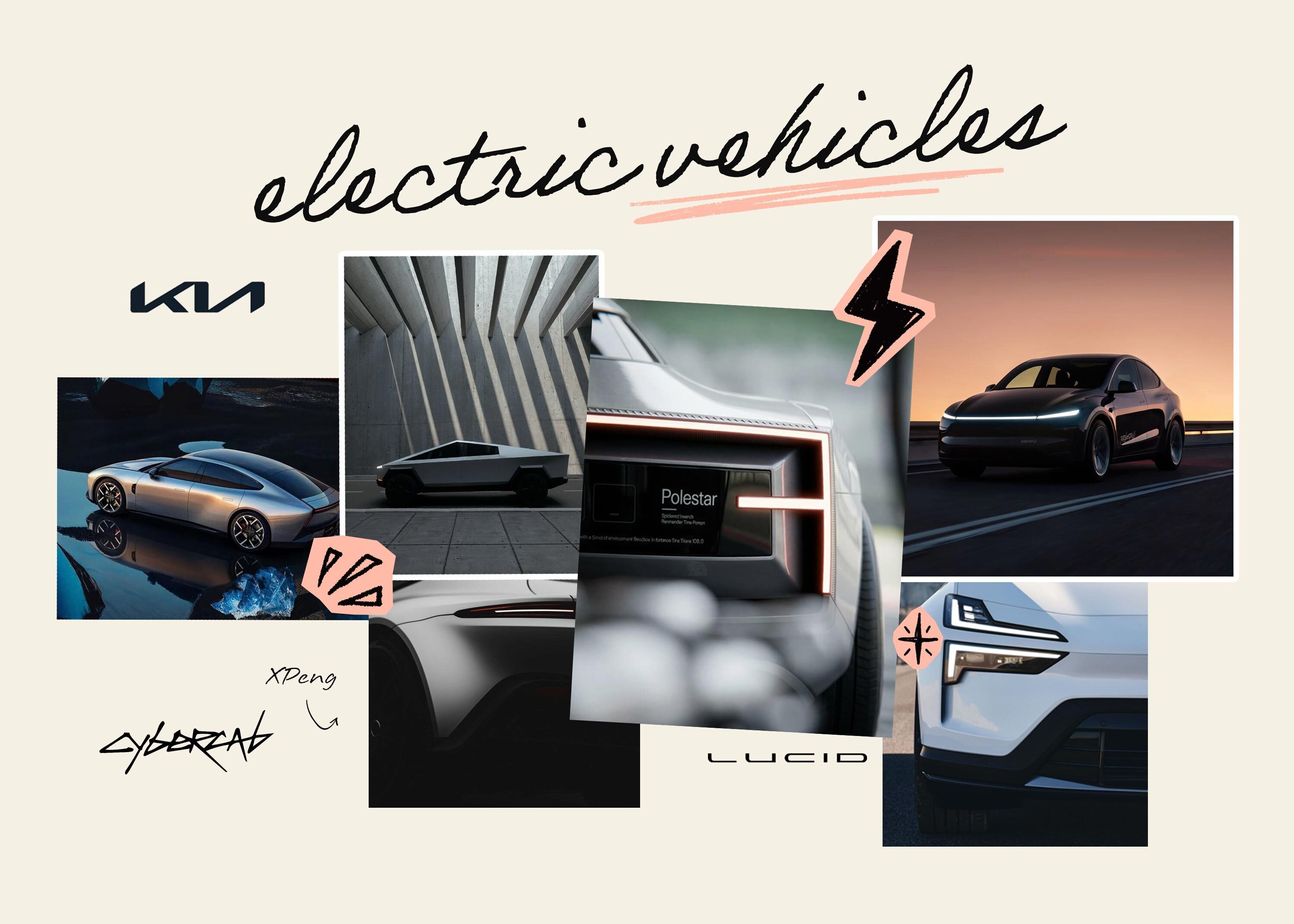
This marks a clear shift in direction. Previous master plans followed a relatively concrete path, beginning with premium electric vehicles and gradually expanding toward mass-market adoption. In contrast, Part 4 is less about a step-by-step roadmap and more about defining a long-term trajectory. The emphasis moves away from cars as the central product and toward the integration of artificial intelligence into real-world systems.
At the core of this vision is the belief that technological progress can continuously expand what is possible. Tesla presents a future in which innovation enables greater efficiency, broader access, and ultimately a higher standard of living on a global scale. Instead of treating growth as a zero-sum dynamic, the plan assumes that advancements in technology can create new forms of value that benefit a wide range of people.
This perspective also explains why the plan places less importance on Tesla’s traditional automotive business. While electric vehicles remain relevant, they are positioned as part of a much larger ecosystem. The company highlights areas such as autonomous mobility, energy infrastructure, and robotics, presenting them as interconnected systems rather than isolated products. These domains are tied together by a common foundation in artificial intelligence, which is described as the key driver of future development.
Artificial intelligence plays a central role throughout the plan. It is not framed as an additional feature, but as the underlying capability that enables safer transportation, more efficient energy systems, and the automation of physical labor. Tesla’s ambition is to combine software, hardware, and large-scale manufacturing into a unified system that operates globally and continuously improves through data and iteration.
Despite its scope, the plan has drawn criticism for its lack of operational detail. Compared to earlier master plans, it provides fewer concrete milestones and avoids specific timelines. This makes it difficult to assess how and when the outlined vision will be realized. As a result, the document can feel more like a philosophical statement than a traditional strategic plan.
From a positioning perspective, however, the intent is clear. Tesla is redefining itself not as an electric vehicle manufacturer, but as a technology company focused on building AI-driven infrastructure for the future. The narrative shifts from individual products to systems that shape entire industries, including mobility, energy, and labor.
In that sense, Master Plan Part 4 functions primarily as a vision. Its strength lies in articulating a bold and coherent direction, while its main limitation is the absence of concrete execution details. It leaves open the central question of how this vision will be translated into tangible outcomes, but it clearly signals where Tesla wants to position itself in the long term.
Source: Tesla Youtube
Written with AI assistance, edited by a human. Find out more about our Use of AI.