A salesman who became a brand
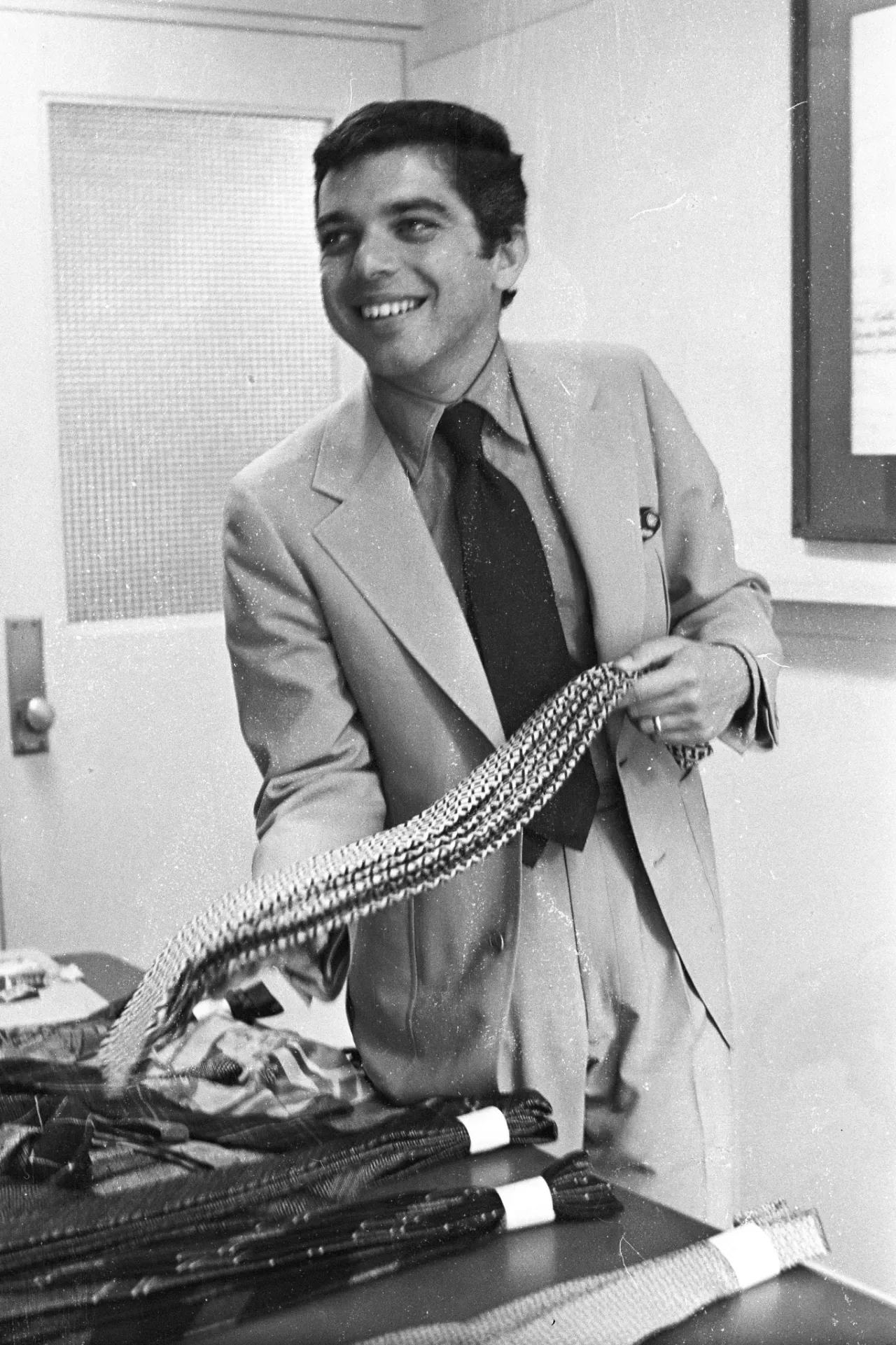
In 1967, Ralph Lauren, then twenty-eight years old and working as a salesman for the New York necktie manufacturer Beau Brummell, persuaded the company's president to let him produce a line of his own ties. He named the line Polo. The decision was the founding act of what would become Polo Ralph Lauren and, eventually, the Ralph Lauren Corporation. Lauren had spent the early 1960s in a sequence of New York retail and wholesale roles, including a brief period as a sales assistant at Brooks Brothers and a longer period at the necktie company Rivetz. The Beau Brummell agreement gave him a brand name, a small inventory and a single drawer in a Manhattan showroom from which to operate.
A wider tie for a different audience
The dominant men's tie of the mid-1960s was narrow and dark, a reflection of the buttoned-down, conservative tailoring of the period. Lauren proposed something different. His ties were wider, made from richer materials, and offered in colours and patterns that were unusual for American menswear of the time. The recommended retail price was 7.50 to 15 US dollars, more than double the prevailing 3 to 4 US dollars at which most ties sold. The proposition was that a tie could carry meaning and personal taste rather than function as an interchangeable accessory. The price was a deliberate signal that the line belonged in the upper segment of department-store tailoring rather than the mass market.
Why Polo
The choice of the name Polo was strategic. The sport carried an immediately legible set of associations, English country aristocracy, equestrian sport, leisure, ease and quiet confidence. None of those associations were native to the New York necktie business. By attaching them to a wider, more colourful, more expensive tie, Lauren positioned the product against a particular kind of customer rather than against a competing manufacturer. The name worked as a one-word brief for retailers, journalists and customers alike. It explained the cut, the price point and the intended atmosphere of the product without requiring explanation. The name has continued to function in that way for nearly six decades.
Bloomingdale's and the wholesale beginning
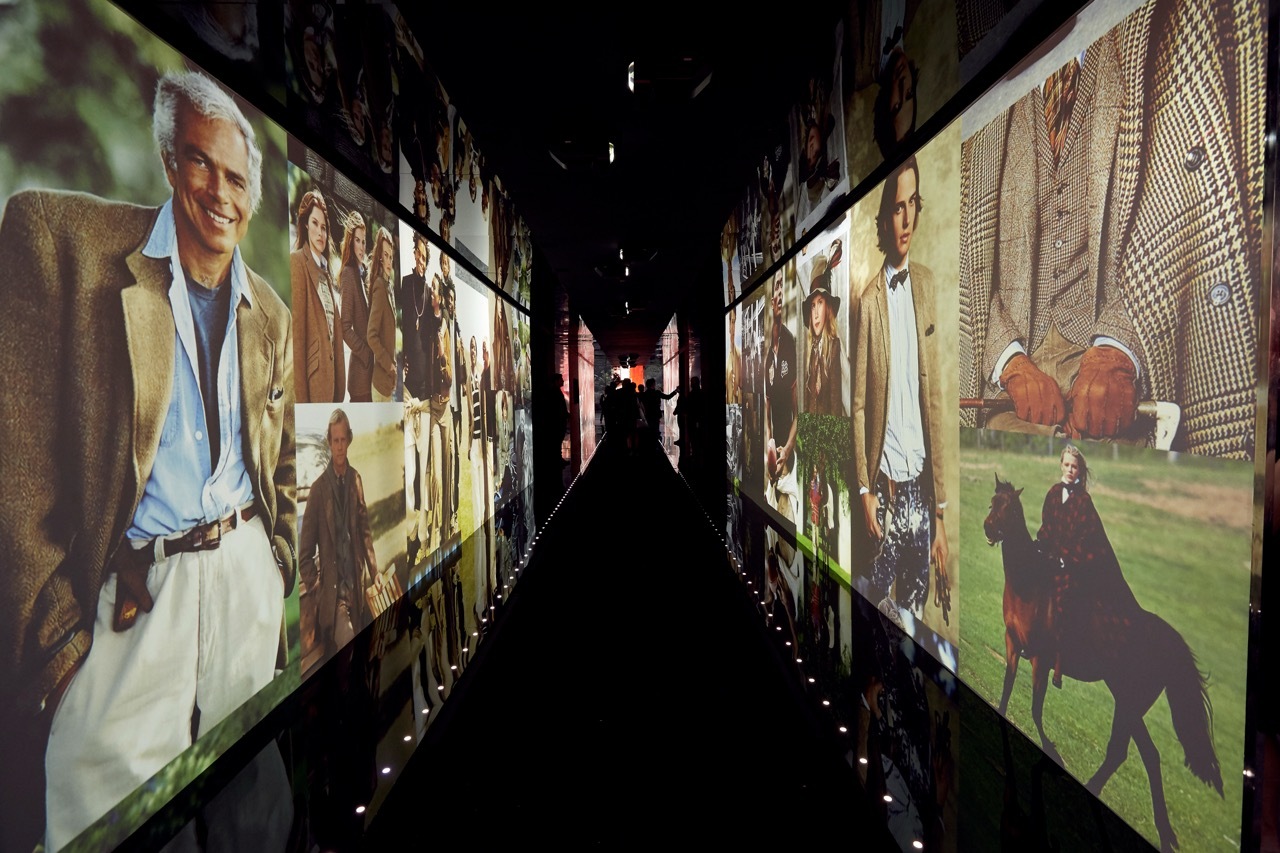
Lauren made his early sales calls in person, carrying samples through New York's department stores. Bloomingdale's became the first major account. By 1969 the store opened a Polo shop-in-shop in its Manhattan flagship, an early example of the dedicated brand boutique format inside a department store. The arrangement gave Lauren a contained, branded space in which the wider context of the Polo proposition could be presented to customers, including the styling of the surrounding fixtures and the mix of related products that would soon follow. The shop-in-shop format would later become a standard tool of luxury retailing, but in 1969 it was unusual for a brand only two years old, with no flagship of its own and a single product category.
From neckties to a full menswear line
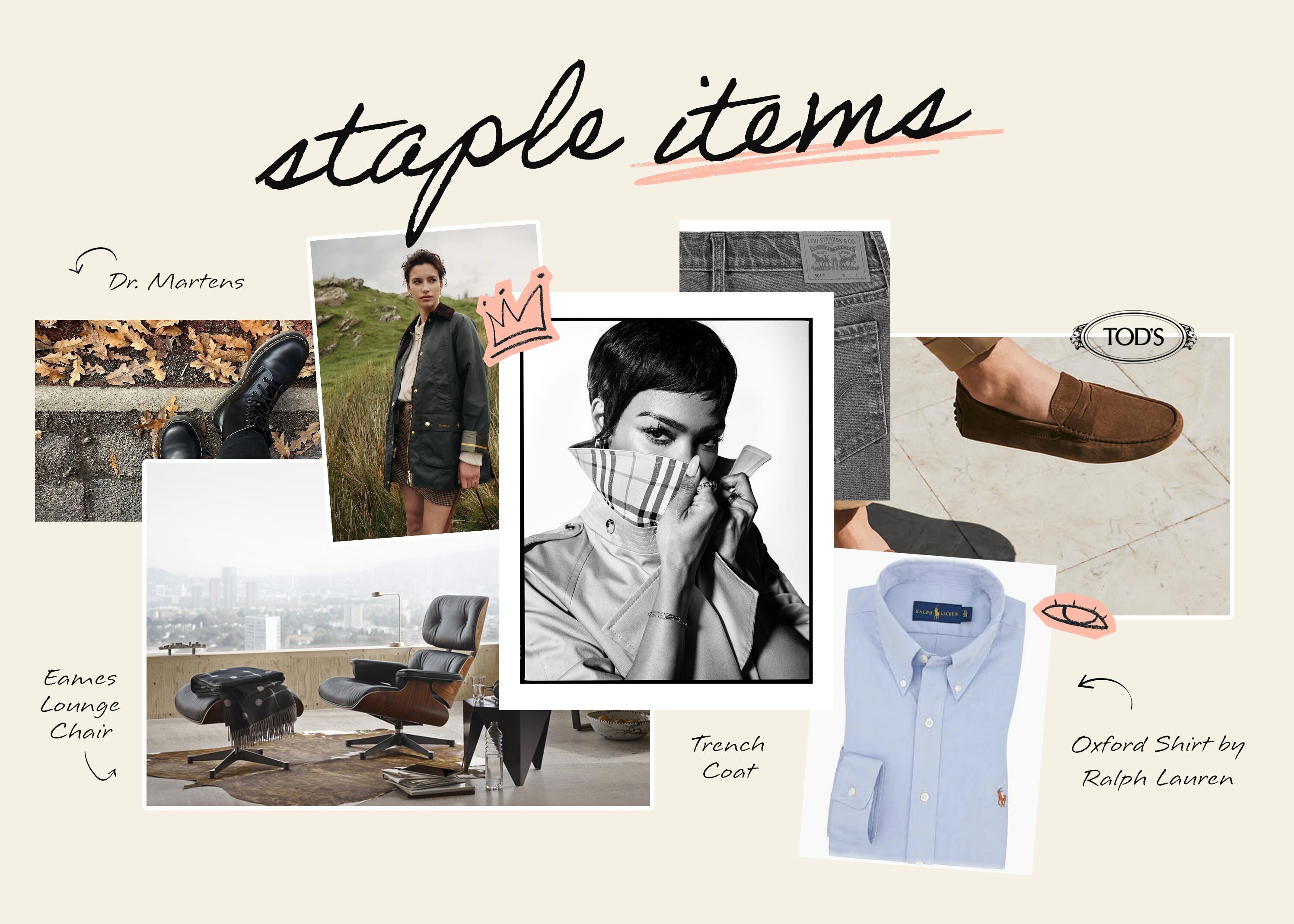
Within months Lauren had begun to extend the Polo brand beyond ties. In 1968 he introduced a full line of menswear under the Polo name, including suits, shirts, sportswear and accessories. The visual language of those early collections, oxford shirts, herringbone tweeds, tartan flannels, club ties and crested blazers, drew heavily on English country and Ivy League references and tied directly into the Polo positioning. The Beau Brummell relationship was wound down and Lauren established a separate company. By 1969 his business was fully independent, although still small. The 1967 ties were the proof case for the broader menswear that followed.
The founding logic, still visible
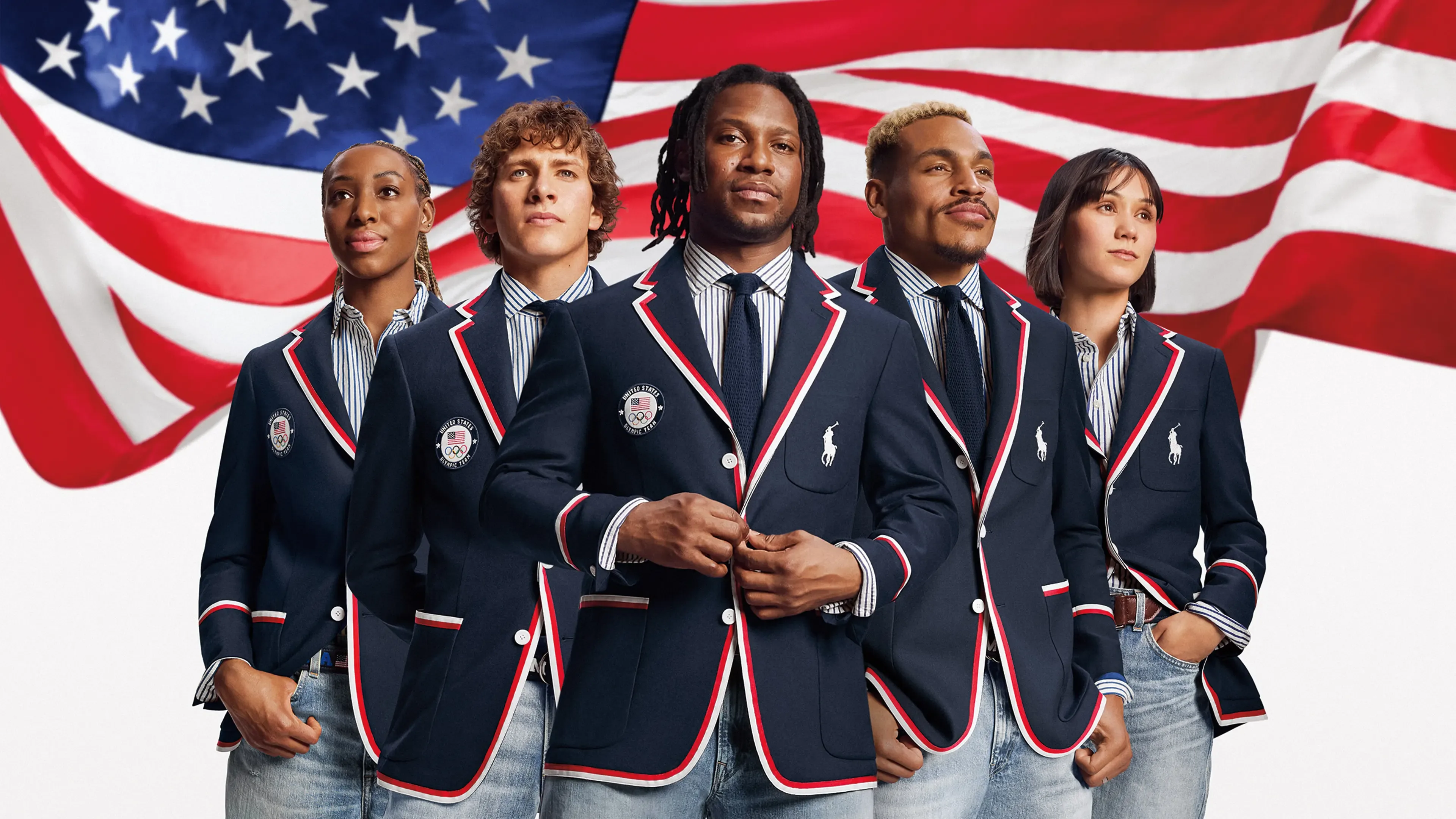
The decisions made in 1967 set the structural pattern for everything that followed. A name borrowed from a sport rather than from a designer's surname, a product priced above the market average to signal taste, a retail strategy that placed branded environments inside larger stores, and a category-by-category extension from neckwear to full menswear. The model was applied to women's tailored shirts in 1971, to the iconic mesh polo shirt in 1972, to home furnishings in 1983 and to flagship retail at the Rhinelander Mansion in 1986. The 1967 decision to call a line of men's neckties Polo created an organising idea that the Ralph Lauren Corporation has continued to develop without contradiction for almost sixty years.
Written with AI assistance, edited by a human. Find out more about our Use of AI.