
A rocket company with a consumer brand
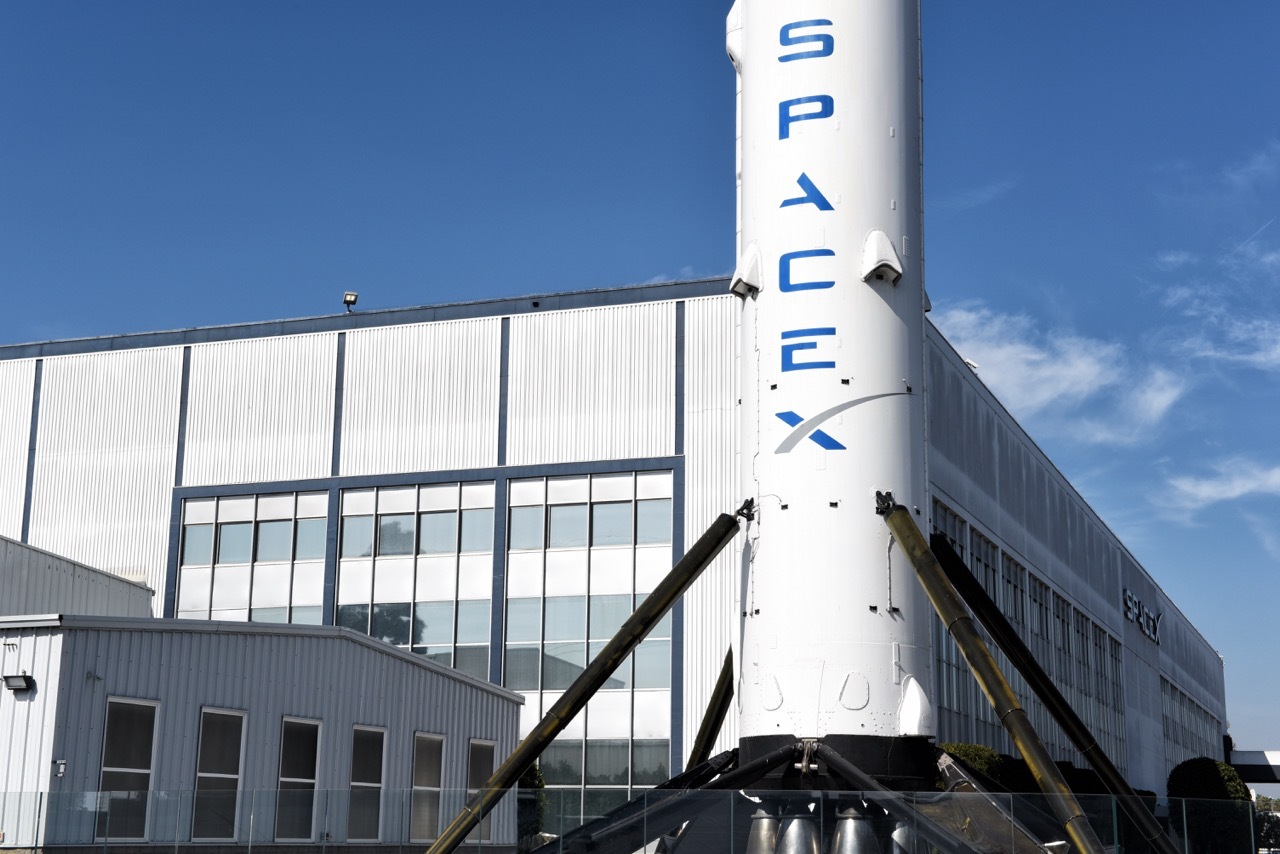
SpaceX is known for launching rockets, an activity whose customers are governments, satellite operators and other organisations. Starlink, its satellite internet service, is different. It sells directly to households and individuals, with a brand name, a logo, a consumer website and a physical product that arrives in a box. The creation of Starlink as a distinct consumer-facing brand is an unusual step for an aerospace company, and an instructive example of brand architecture, the way a company organises and names the brands within its portfolio.
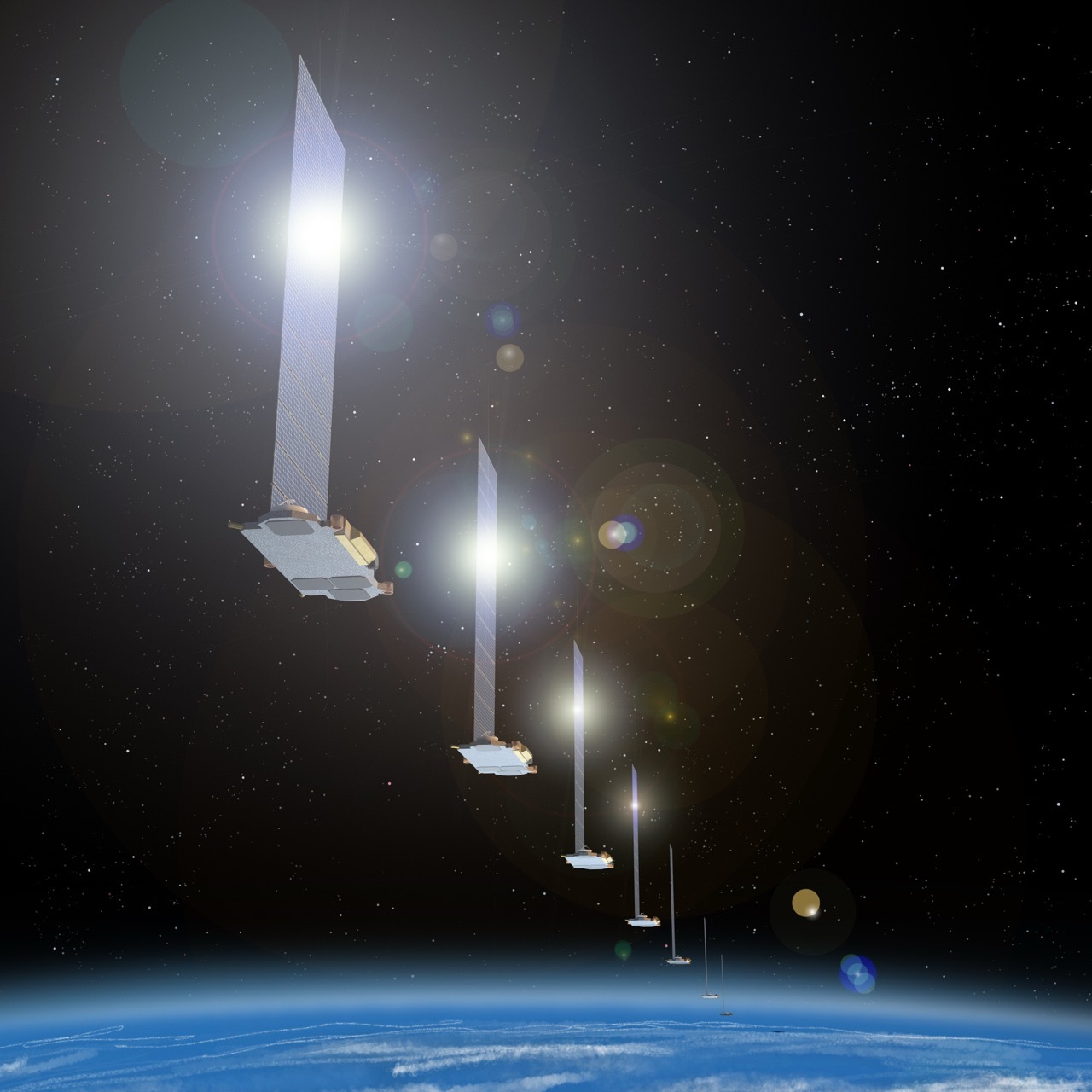
SpaceX begins offering Starlink to consumers in late 2020, opening a public beta in October of that year under the candid name Better Than Nothing Beta. The service uses a large and growing network of small satellites in low Earth orbit to deliver internet access to areas poorly served by traditional providers. From the start, SpaceX presents Starlink as its own brand rather than as a SpaceX product, with separate branding and a direct relationship with the end user.
Separating the consumer brand from the parent
The decision to give Starlink its own identity reflects the distance between its audience and that of the parent company. SpaceX is a business-to-business and government contractor, operating in a world of launch contracts and technical procurement. Starlink is a consumer and small-business service, competing with internet providers and addressing customers who care about price, reliability and ease of installation rather than rocket performance. A distinct brand allows Starlink to speak to that audience in its own terms.
At the same time, Starlink benefits from its connection to SpaceX. The credibility of the parent company, its visible record of launches and its control of the rockets that carry the satellites into orbit, supports the newer brand. SpaceX manages the relationship as an endorsed structure, where Starlink operates as a recognisable brand in its own right while drawing on the reputation and capabilities of its parent. The two names appear together often enough to link them, without merging Starlink into the SpaceX identity.
A product designed for consumers
Starlink's consumer orientation is visible in the product itself. Customers order a kit that includes a satellite dish and a router, designed to be set up without professional installation. The branding is clean and consistent, the website explains the service in plain terms, and the offer is structured around a monthly subscription. These are the conventions of a consumer technology brand, applied by a company whose core business is launching payloads into space.
The service expands rapidly in the years after launch, adding customers across many countries and introducing offers for recreational, maritime and aviation use, as well as a direct-to-cell capability developed with mobile network partners. Each extension broadens the Starlink brand into new uses while keeping it distinct from the launch business that makes it possible.
Why the brand architecture matters
Starlink illustrates why a company might build a separate brand rather than extending its existing one. The parent brand, SpaceX, carries strong associations with rockets and exploration, associations that do not translate naturally to a household utility. By creating Starlink, SpaceX gives the internet service room to develop its own meaning, focused on connectivity and reliability, without straining the SpaceX brand or confusing its very different audiences.
The structure also has strategic value. Starlink generates revenue from a large base of recurring subscribers, a different and more predictable business than launch contracts, and a distinct brand makes that business legible to customers and to potential investors. Should SpaceX ever separate Starlink as an independent entity, the existence of a clear, established brand would make that step easier.
There is a branding lesson in the naming as well. Starlink is descriptive and easy to remember, evoking both the satellites overhead and the connection they provide, and it stands on its own without requiring the SpaceX name to make sense. That independence is what allows the brand to function in a consumer market, where customers form a relationship with the service they use daily rather than with the aerospace company behind it. For now, Starlink stands as a consumer brand built inside a rocket company, an example of how a single organisation can operate credibly across two very different markets by giving each its own brand.
The wider pattern is familiar from other industries, where a company known in one market creates a separate brand to enter a very different one. What makes Starlink notable is the distance between the two businesses, from launching rockets for governments to selling monthly internet subscriptions to households. Bridging that distance with a single corporate brand would have been difficult, and the separate Starlink identity is what makes the move coherent.
Written with AI assistance, edited by a human. Find out more about our Use of AI.