
An astronaut's suit as designed identity
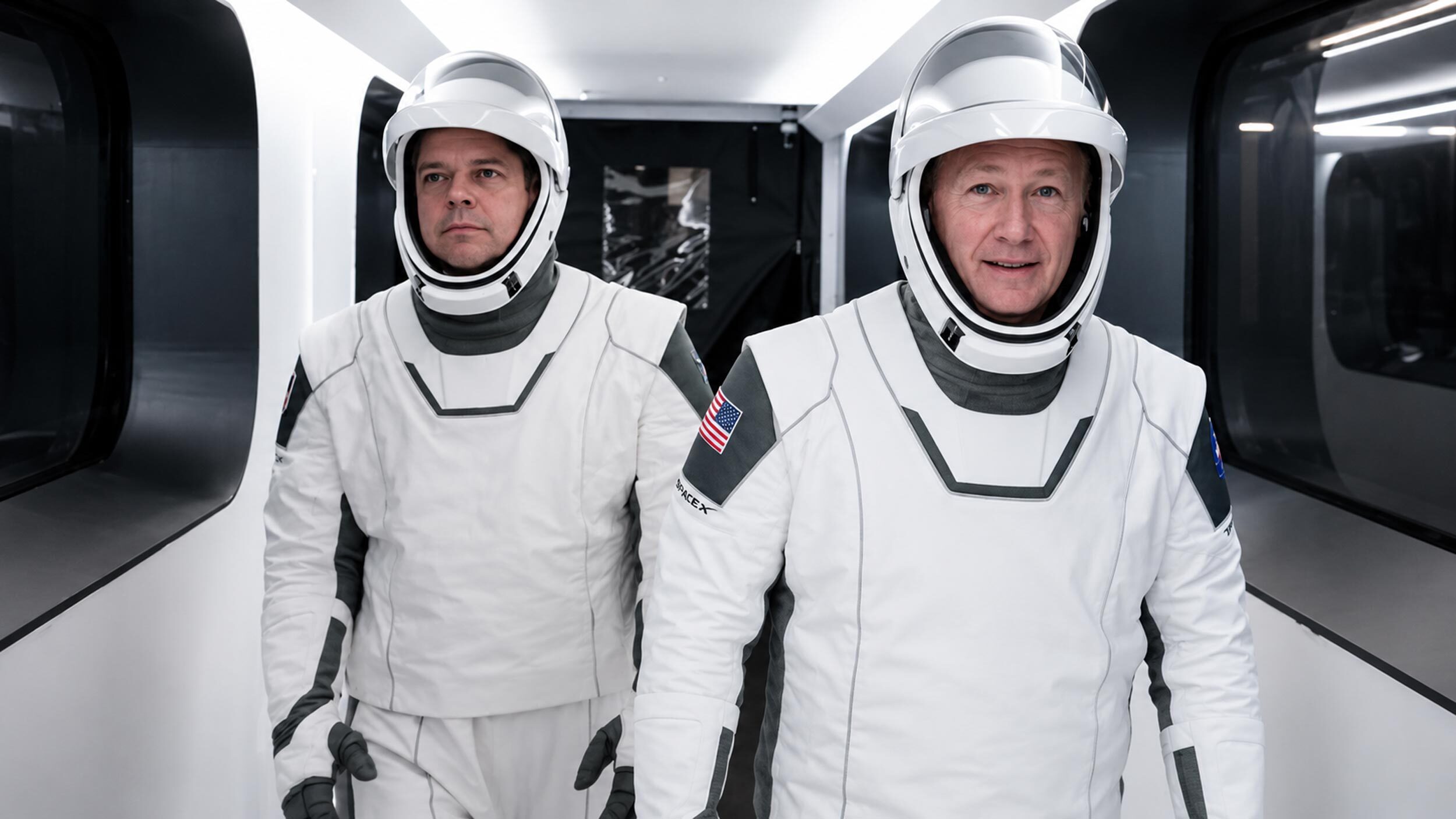
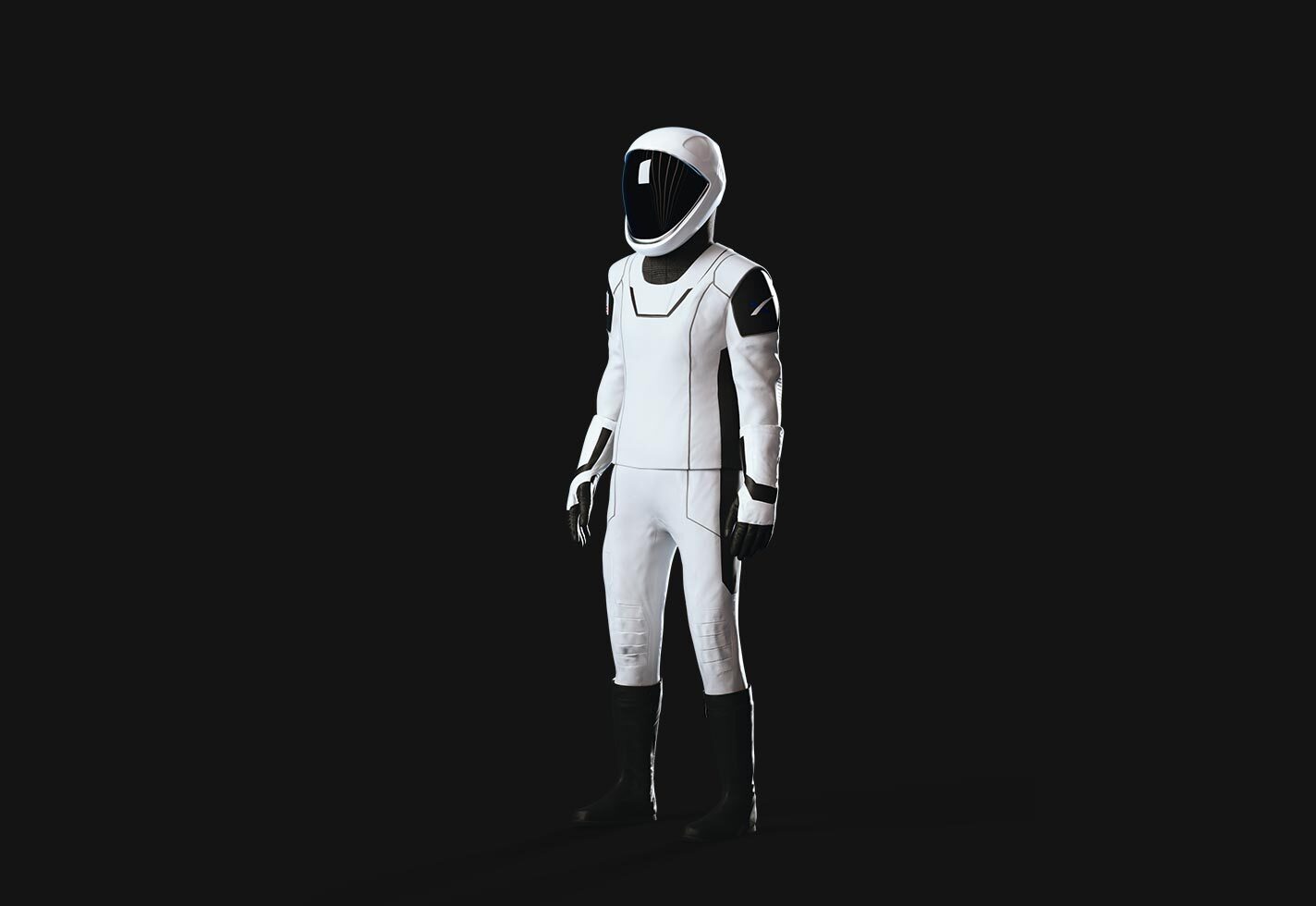
When SpaceX astronauts Doug Hurley and Bob Behnken walk to their capsule for the Demo-2 mission on 30 May 2020, they wear spacesuits unlike the bulky orange and white garments associated with earlier American spaceflight. The suits are slim and close-fitting, predominantly white with black detailing and angular lines. They mark a deliberate decision by SpaceX to treat the appearance of its astronauts as part of the company's identity, not only as an engineering requirement.
The look originates with Jose Fernandez, a Hollywood costume designer whose work includes superhero films. Musk hired Fernandez around 2016 to design the suit, asking for something that looked unlike anything seen before, in keeping with the company's capsule and rockets. Fernandez produced a striking costume, which spacesuit engineers then had to turn into a functional, certified garment capable of protecting astronauts during launch and re-entry.
From costume to functional equipment
The collaboration is unusual in spaceflight. Spacesuits are normally developed entirely by engineers and driven by technical constraints, with appearance a secondary concern. By starting with a designer known for film costumes, SpaceX reverses that order, beginning with a strong visual concept and then engineering it to meet safety requirements. The final suit retains the clean, deliberate look of the original design while functioning as real protective equipment, connected to the capsule through a single umbilical line.
The design choices extend to the smallest details. The suit is custom-made for each astronaut, the helmet is produced using 3D printing, and the gloves are built to work with the Crew Dragon capsule's touchscreen controls. The integration of the suit with the capsule's interior, both sharing a consistent visual language, reinforces the sense of a single, coherently designed system rather than a collection of separately developed parts.
Why appearance matters to the brand
The visual identity of the suit serves a clear purpose. The Demo-2 mission returns human spaceflight to American soil after nearly a decade, and it does so on a commercially developed vehicle. The distinctive, modern look of the suits signals that a new kind of organisation is flying astronauts, visibly different from the government programmes that preceded it. The mission patch carries the words SpaceX Dragon and NASA Demo-2, placing the company's name alongside the space agency's on the astronauts themselves.
For SpaceX, the suit functions as a piece of brand identity worn by the most visible representatives of the company. The images of astronauts in the new suits circulate widely, and the consistent design language, carried across the suit, the capsule and the company's broader visual style, helps present SpaceX as a coherent and modern brand. The look communicates competence and ambition in a way that supports the company's larger story.
Design as part of the mission
The spacesuit shows how a company can extend its brand into objects that are primarily functional. The suit must keep astronauts alive, yet SpaceX treats its appearance as worth investing in, recognising that the people who wear it are among the most photographed symbols of the company. By bringing in a designer from outside the aerospace world, SpaceX produces a suit that performs its safety role while also serving as a memorable visual identity.
The contrast with earlier spaceflight is part of the message. For decades the spacesuit was a piece of engineering whose look followed entirely from its function, and audiences came to associate human spaceflight with bulky, utilitarian garments. By presenting a sleek, deliberately styled alternative, SpaceX uses the suit to argue, without words, that a new era of spaceflight has arrived, led by a company that thinks about design as well as engineering.
The approach reflects a broader pattern in how SpaceX presents itself, with attention to design across its hardware, its facilities and its public communications. The spacesuit, born from a Hollywood costume and engineered into flight-ready equipment, stands as one of the clearest examples, an object where function and brand identity meet on the body of the astronaut.
The single-suit philosophy is itself a branding decision. Rather than maintaining several specialised garments, SpaceX developed one launch and entry suit with a coherent look, worn by every astronaut who flies on Crew Dragon. That consistency means the suit functions as a uniform, an instantly recognisable signal of who is flying and on whose vehicle, in the same way a distinctive livery identifies an airline. Every photograph of a Crew Dragon crew reinforces the same visual identity.
Written with AI assistance, edited by a human. Find out more about our Use of AI.