
Names that carry a story
Most rockets are known by codes, letters and numbers that describe their stage count or their lineage. SpaceX took a different path. Its launch vehicles and spacecraft were given proper names with stories attached, and those stories became part of how the company presented itself. The naming was not decoration. It signalled the personality of a firm that wanted to make spaceflight feel approachable rather than bureaucratic.
The pattern was set early. The company's first rocket was the Falcon 1, named after the Millennium Falcon from Star Wars. Elon Musk had chosen a reference that placed the rocket inside popular culture rather than inside an aerospace catalogue. The number described the vehicle, a single-engine first stage, while the name did the emotional work, linking a real machine to one of the best known fictional spacecraft of all time.
Falcon, by the numbers
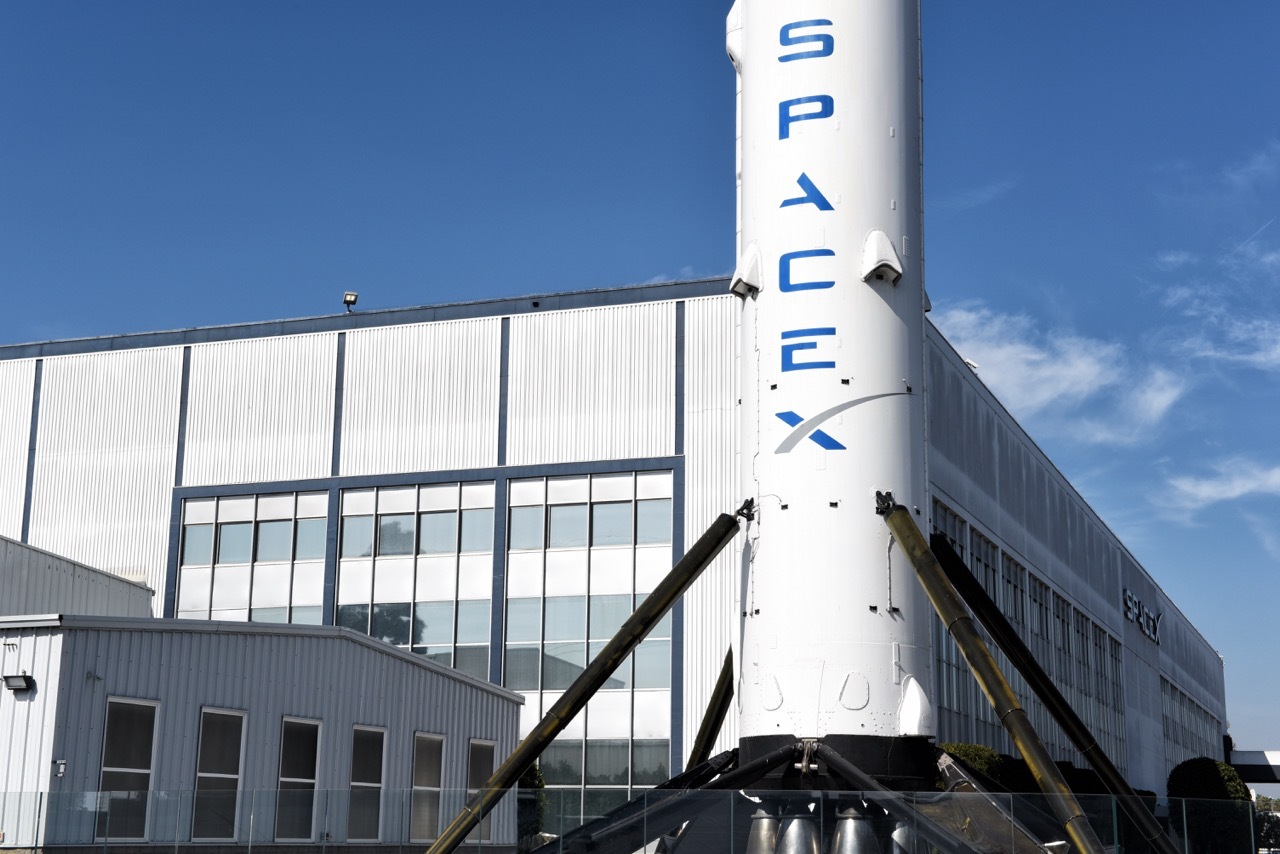
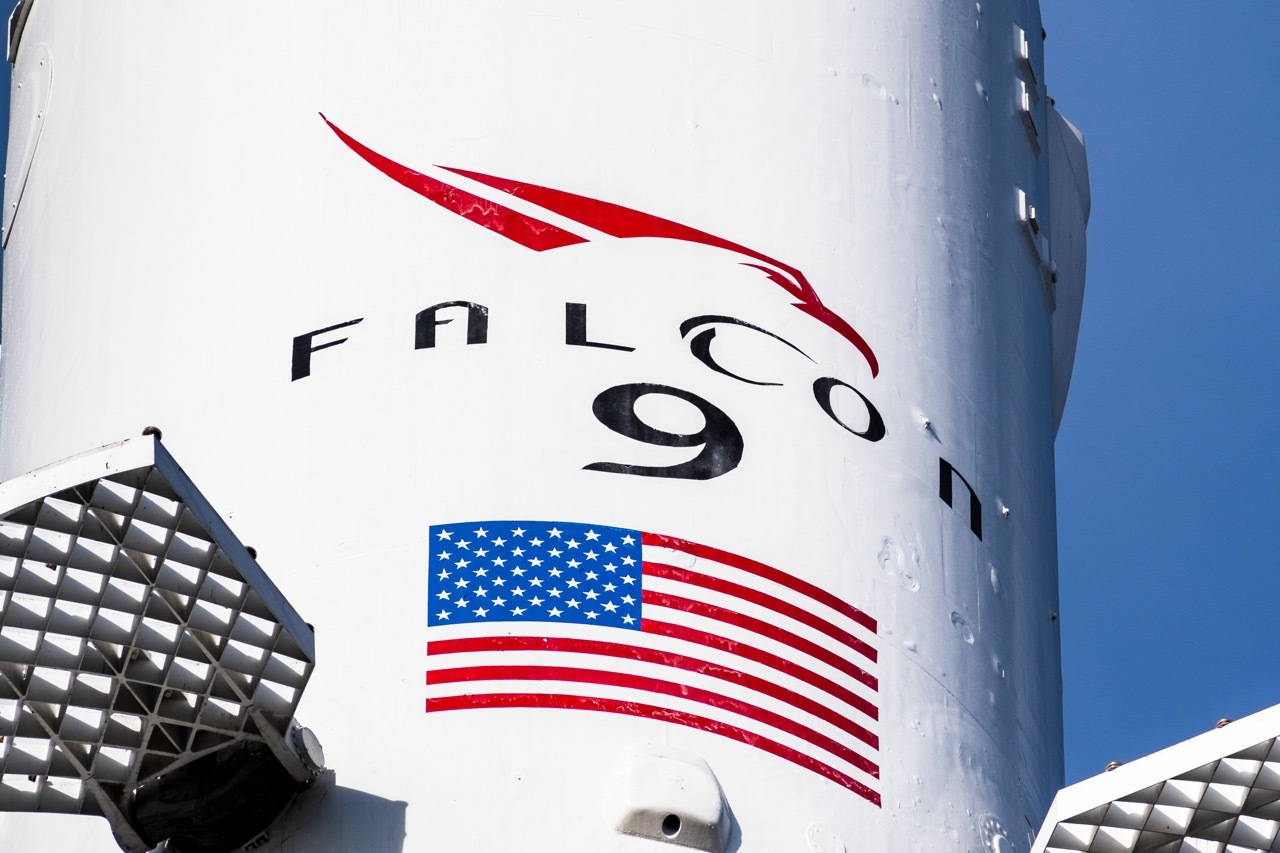
When SpaceX scaled up, the naming logic scaled with it. The Falcon 9 took the same family name and added a nine, a reference to its nine first-stage engines. The Falcon Heavy, built from three Falcon 9 cores, kept the family name and described its class. The result was a clear, legible system. The shared word Falcon told customers and observers that these vehicles belonged to one lineage, while the suffix told them which member of the family they were looking at. This is the basic discipline of brand architecture, the way a company organises and names the products within its portfolio, applied to rockets.
The approach gave SpaceX something many engineering programmes lack, a set of names that the public could remember and repeat. A reporter, a customer or a viewer of a launch broadcast did not need to track an internal designation. Falcon 9 was enough.
Dragon and the answer to the doubters
The company's capsule received a name with a sharper edge. The Dragon spacecraft was named after Puff, the Magic Dragon, the folk song recorded by Peter, Paul and Mary. Musk later explained that he chose the reference because many people had told him his plans for the company were impossible, the stuff of fantasy. Naming the capsule after a song about a mythical creature was a quiet reply to that scepticism. The choice turned a critique into a brand asset.
The Dragon name gained weight as the vehicle succeeded. In December 2010 a Dragon capsule flew to orbit and returned safely, making SpaceX the first private company to recover a spacecraft from orbit. The name that had begun as a wink at the doubters was now attached to a genuine milestone, and the story behind it travelled alongside the achievement.
Starship and the leap in ambition
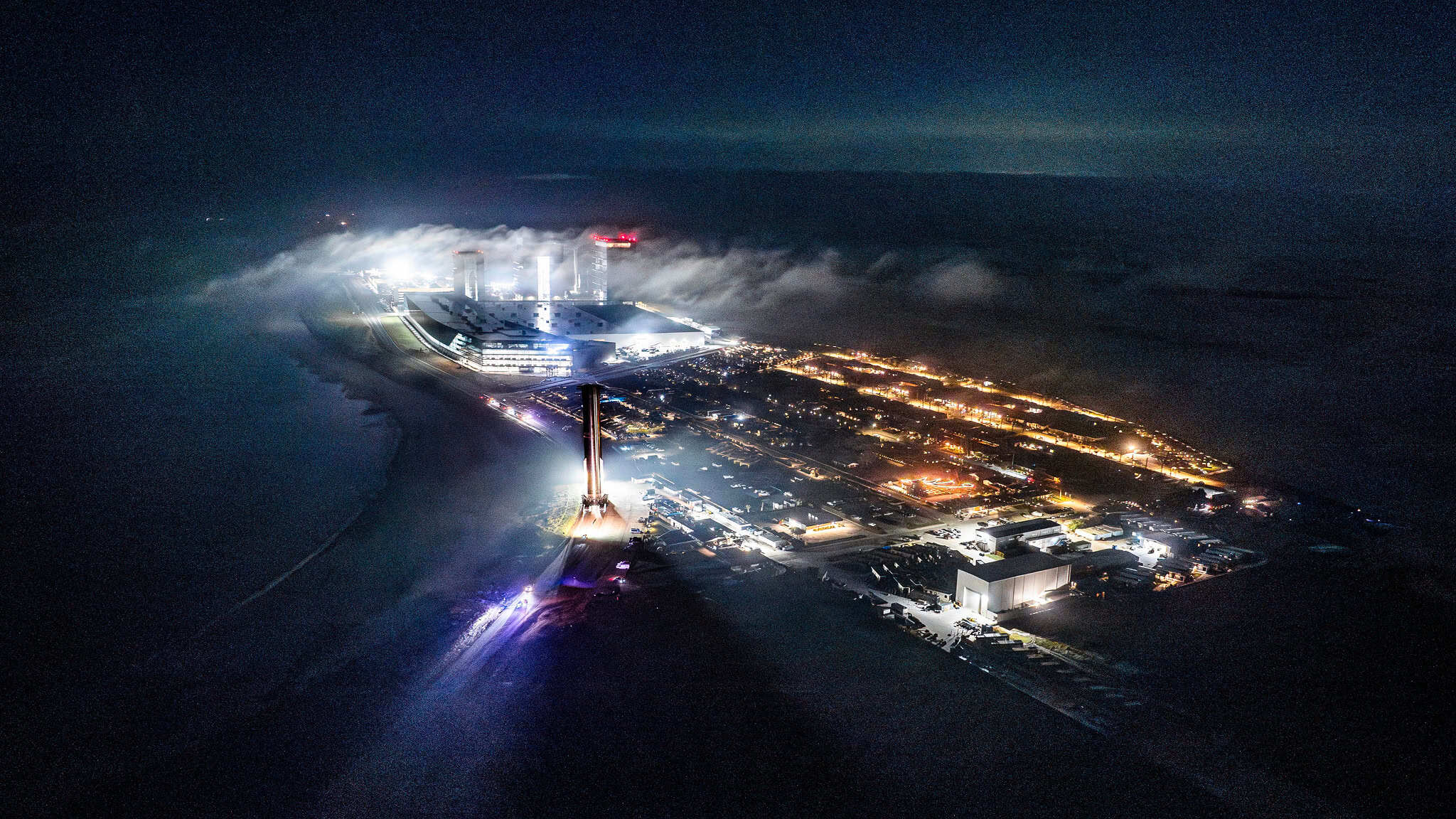
For its largest programme, SpaceX reached for the most direct name of all. The fully reusable vehicle intended for journeys beyond Earth orbit was called Starship, with its booster named Super Heavy. The programme had earlier carried more technical and informal labels, but the company settled on a name that stated the ambition plainly. Starship needed no cultural reference to explain it. The word itself described the destination the company talked about constantly, other planets, and it fit the scale of the project.
The shift in naming style tracked the shift in the company's standing. Falcon and Dragon were the names of a challenger borrowing confidence from familiar stories. Starship was the name of a company confident enough to describe its goal without a borrowed reference.
Why the names mattered for the brand
Taken together, the names formed a coherent and memorable system. Falcon for the rockets, with numbers to distinguish them, Dragon for the capsule, and Starship for the next generation. Each name was short, pronounceable and easy to recall, and each carried a story that journalists and enthusiasts were happy to retell. For a company that relied on attention rather than advertising, names that invited storytelling were a practical advantage.
The naming also reinforced the company's character. The references to science fiction and folk music suggested an organisation that did not take itself too seriously on the surface, even as it pursued extremely serious engineering. That combination, playful names attached to demanding machines, became a recognisable part of the SpaceX brand, and it gave the public an easy way to follow a programme that might otherwise have stayed locked behind technical jargon.
Written with AI assistance, edited by a human. Find out more about our Use of AI.