
A recipe campaign that argues by fashion rather than by category
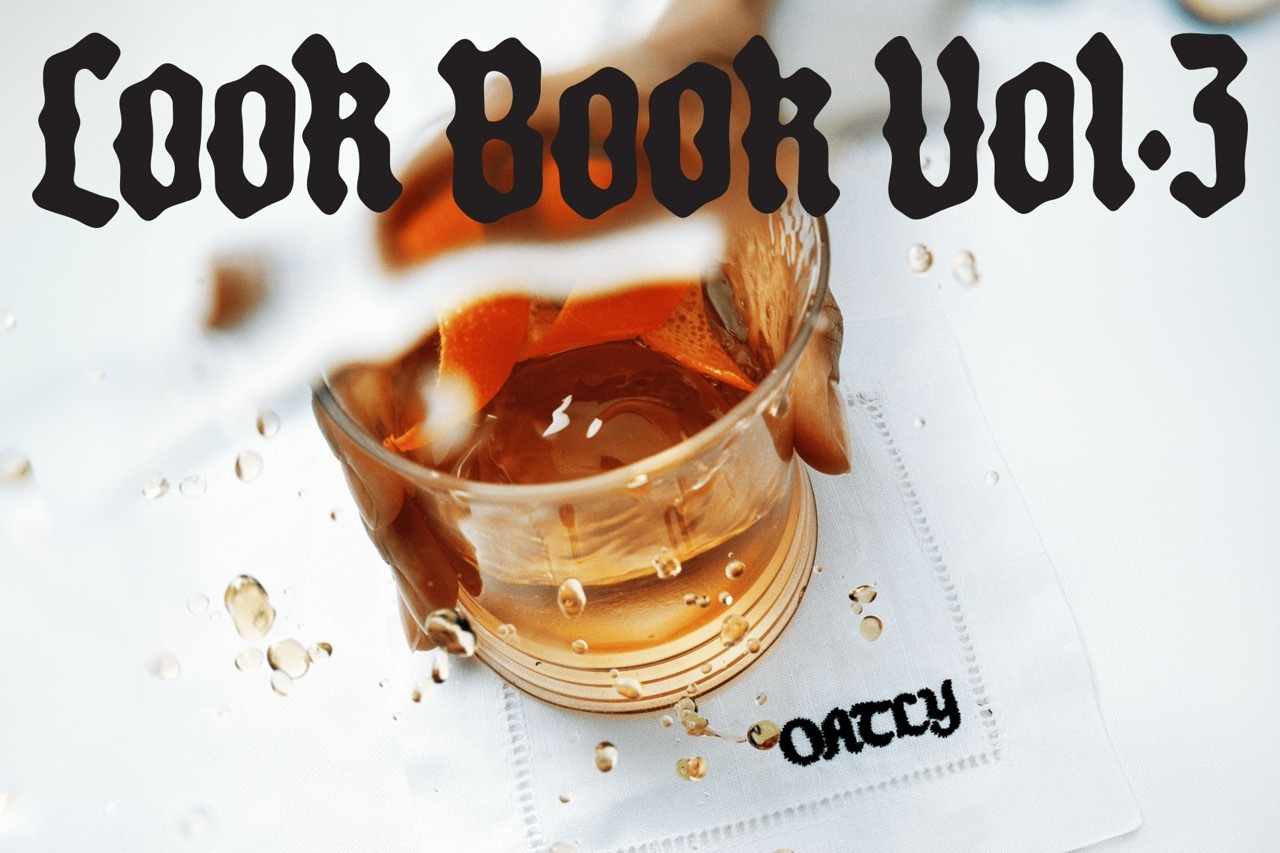
Oatly releases the Spring/Summer 2026 edition of its Look Book at the London Coffee Festival, held in the Old Truman Brewery from 14 to 17 May 2026.1, 2 The release is the third instalment of a programme that the Swedish plant-based brand launched in May 2025 with a Spring/Summer 2025 edition and continued in autumn 2025 with the Autumn/Winter 2025/26 volume.3, 4 The Look Book is positioned not as a recipe leaflet, the format the dairy and coffee categories have used for decades, but as a seasonal collection presented with the visual grammar of a fashion lookbook.
The Spring/Summer 2026 collection is described by Oatly as Latin American in inspiration.1 The featured drinks include a tortilla and agave latte, a fig leaf matcha, a mate cola latte, a clarified hojicha Old Fashioned, an oat tepache, and a matcha Jell-Oat shot.1 The recipes are developed by an in-house team led by Toby Weedon, the company's barista development director, and Rowena Roos, its head of food and drinks experience.4 The team is supported by 60 barista market development managers based in coffee shops across Oatly's main markets, who supply the trend signals and ingredient experiments the central team turns into a coherent seasonal narrative.4
The strategic problem the Look Book answers
Oatly is operating in a category that has matured rapidly. Plant-based milk is no longer a fringe choice. Specialty coffee shops in most European and North American cities now offer at least one oat option as a default. The challenger argument that defined Oatly's communication in the mid-2010s, the case for switching away from cow's milk, has therefore become harder to lead with, because the audience the brand most wanted to reach has already switched. The next problem the brand faces is one of cultural relevance rather than category education. The question is no longer whether the audience will try oat milk. The question is which oat brand the audience will commit to.
The Look Book is a direct answer to that question. By framing the brand's annual recipe development as a seasonal collection rather than as a marketing utility, Oatly moves the conversation away from product comparison and toward cultural participation. The fashion lookbook is a familiar reference for the Gen Z and millennial audience the brand wants to retain. The grammar carries an implicit claim, that the brand belongs in the same conversation as the seasonal collections the audience already follows, and that an oat drink can be treated with the same editorial seriousness as a piece of seasonal clothing.
The format and the visual logic
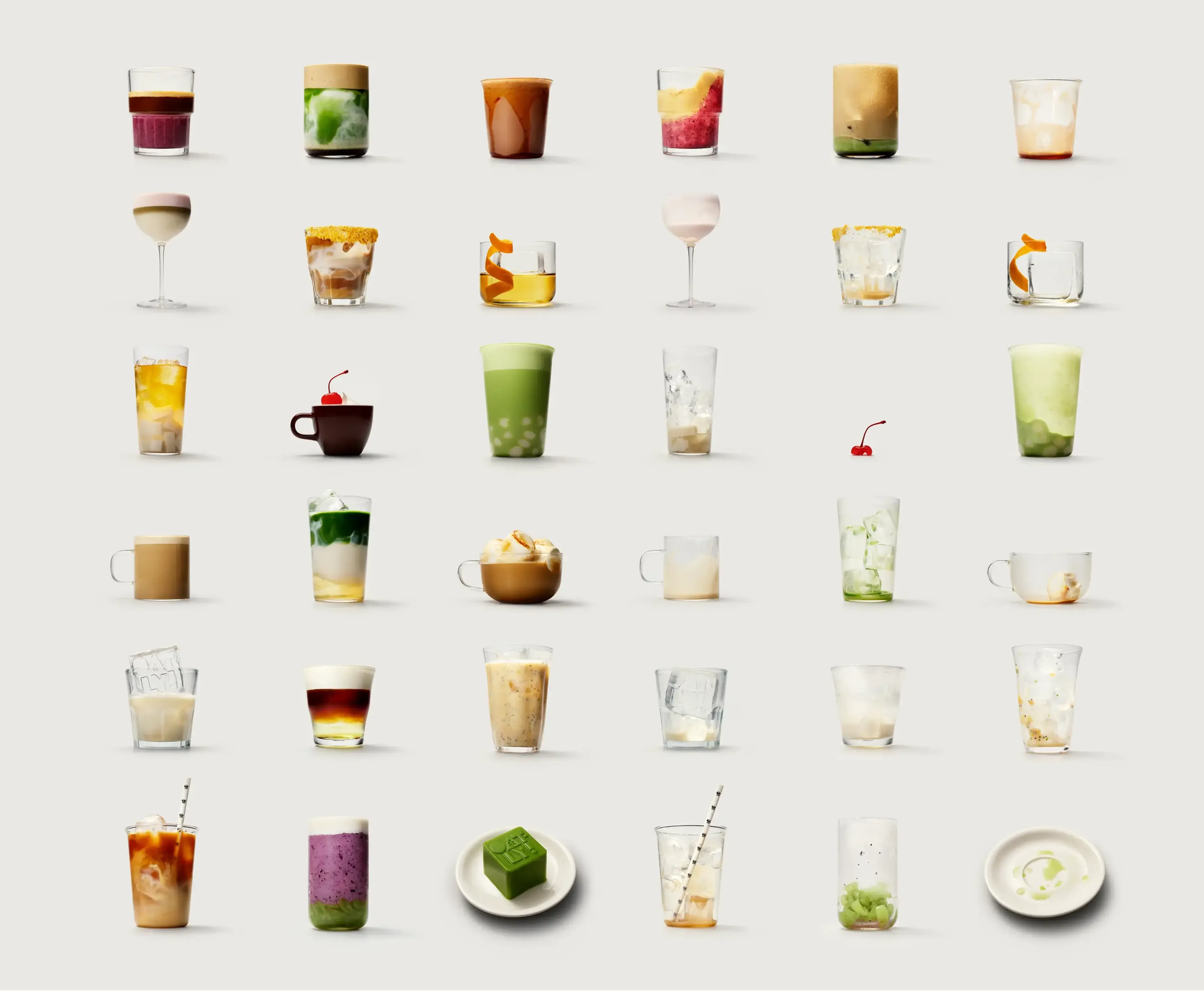
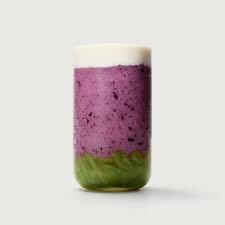
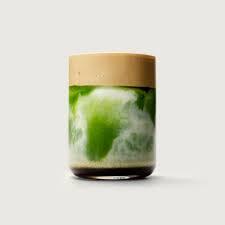
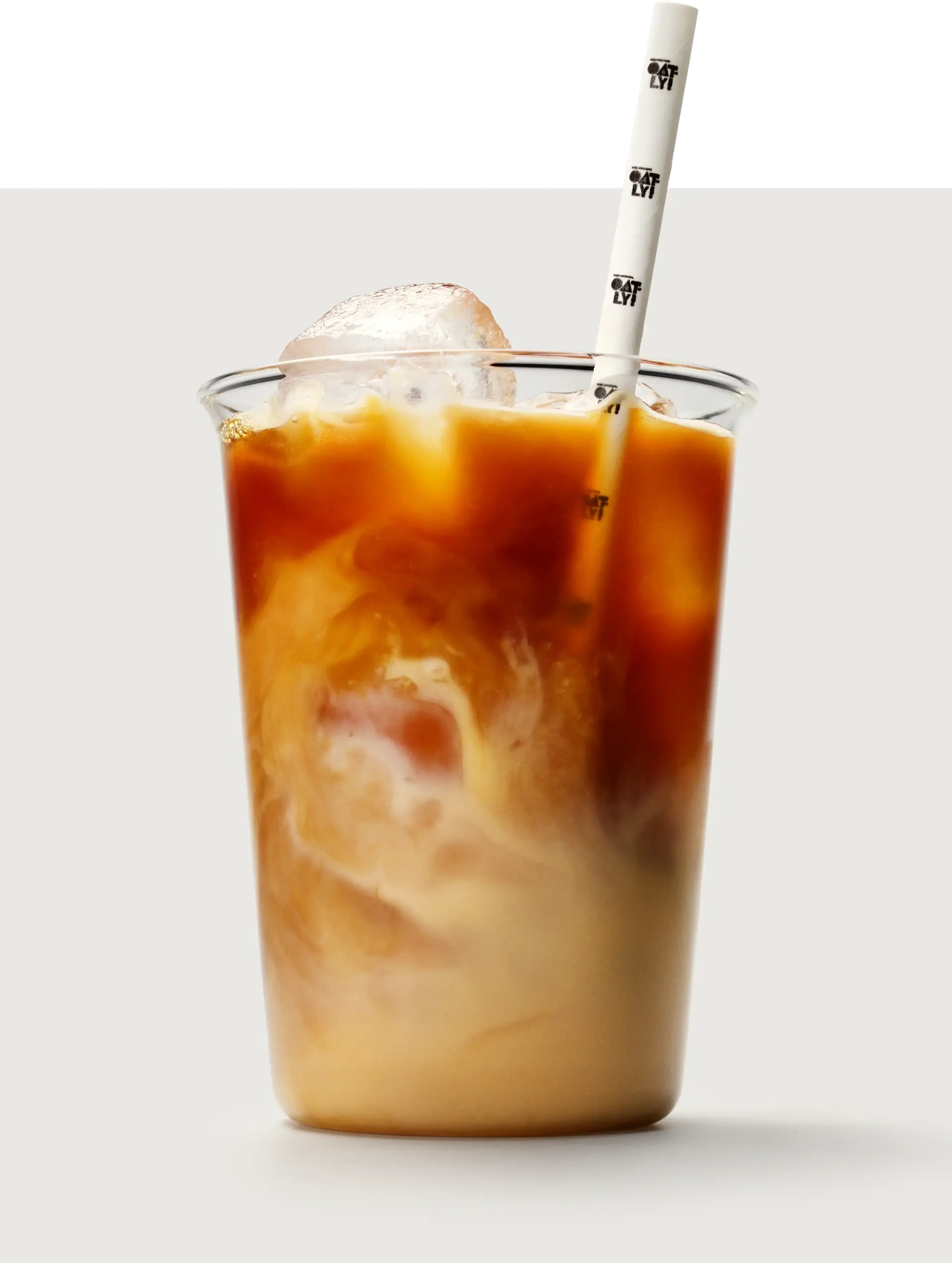
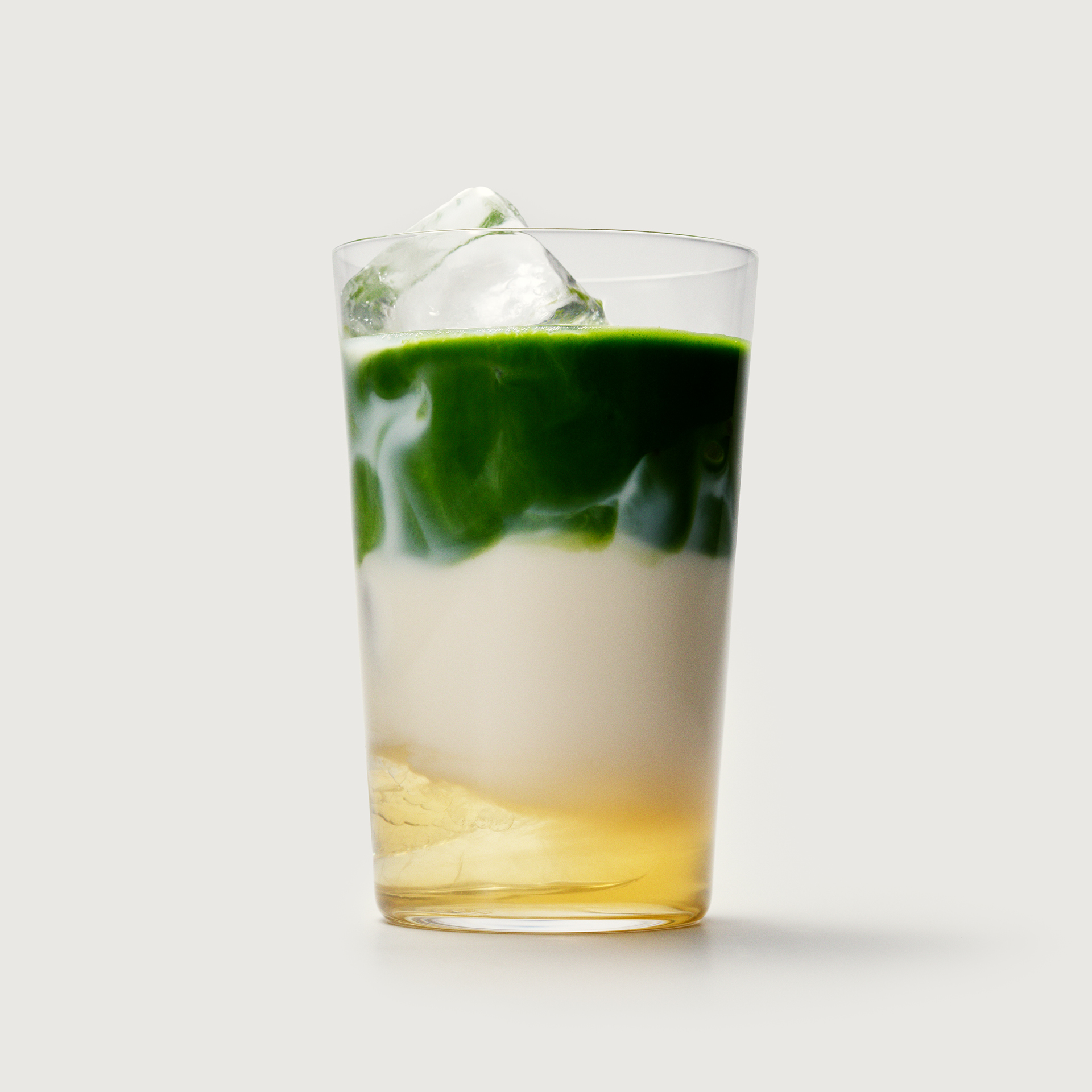
Each edition of the Look Book follows the same structural pattern. A minimalist split-screen layout sits at the heart of the design system, with the drink photographed on one side and the recipe and ingredient credit on the other.5 The photography is unfussy and high-resolution, with strong colour separation between the drink, the glassware, and the background, in a register closer to a fashion editorial than to a food magazine spread. The naming of the drinks is deliberate. A drink is not described by its functional ingredients alone, the way a coffee shop menu would describe it, but is given a title that reads as a small piece of cultural reference, salty banana split, lacto-fermented blueberry matcha, gochujang hot chocolate, clarified hojicha Old Fashioned, matcha Jell-Oat shot.4, 1
The result is a publication that does the work of a campaign without occupying the slots a campaign usually occupies. Out-of-home advertising remains in the brand's mix, with the The Drum reporting in March 2025 on the brand's out-of-home work around blind taste test results.6 The Look Book sits alongside those campaigns as a content asset that the audience comes to rather than one that the brand pushes to the audience. The recipes live on the brand's own website at oatly.com, are extended through social channels, and are activated through hospitality partnerships at events such as the London Coffee Festival and Milan Fashion Week.2, 7
The festival and fashion week activations
The London Coffee Festival serves as the primary launch moment for each edition. Oatly stages an On the Rocks Coffee shop pop-up that serves drinks from the new Look Book, with the festival functioning as a four-day soft launch for the speciality coffee trade audience before the recipes reach the wider consumer base.3, 2 The festival platform is well chosen. It places the new collection in front of the baristas who will translate the recipes into menus over the following months, and it gives the brand a venue in which the audience tastes the work rather than only reads about it.
The fashion connection is reinforced by the brand's partnership with the Italian label AVAVAV during Milan Fashion Week.7 AVAVAV serves Oatly-based drinks at its runway shows, and the partnership extends the Oat Couture metaphor into a literal fashion-week setting.7 Oatly is therefore not making a fashion claim from a distance. The brand is showing up inside the fashion week calendar, with named designer partners, in a way that closes the loop between metaphor and venue.
What the programme continues to model
The Look Book is a useful reference for any food and beverage brand operating in a maturing category. It demonstrates that a brand can earn cultural participation by adopting the format of an adjacent industry rather than by amplifying its own category vocabulary. It also shows the value of internal capability over external commissioning. The recipes are developed in-house by the team that already trains baristas, which keeps the seasonal collection grounded in the daily practice of the trade rather than in a separate marketing department. With three editions released in twelve months, the Look Book has moved from a single creative idea to a repeatable platform, and Oatly has secured a calendar slot of its own inside the fashion-week year.
Written with AI assistance, edited by a human. Find out more about our Use of AI.
1. Oatly, "Look Book Vol. 3" recipe page (undated), for the Spring/Summer 2026 collection's six drinks named in the body (Tortilla & Agave Latte, Fig Leaf Matcha, Mate Cola Latte, Hojicha Old Fashioned, described elsewhere on the same page as clarified, Oat Tepache and Matcha Jell-Oat Shot), for the collection's Latin American flavour framing, and for the edition being numbered Vol. 3 of the programme. https://www.oatly.com/recipes/look-book-vol-3
2. The London Coffee Festival, official event site (undated), for the 2026 festival's dates of 14 to 17 May and its venue at The Truman Brewery. https://www.londoncoffeefestival.com/
3. Oatly, "Spring / Summer 2025 Look Book Recipes" (undated), for that edition's recipe list. Blurred, Stuart Lambert, "Influencers and an 'Oatly on the Rocks' Pop up at London Coffee Festival", 30 May 2025, off whitelist and used for corroboration only, for the Spring/Summer 2025 edition's May 2025 launch timed to the London Coffee Festival and for the recurring On the Rocks Coffee shop pop up format at that festival. https://www.oatly.com/en-us/recipes/look-book-spring-summer-2025 https://blurred.global/work-influencers-and-an-oatly-on-the-rocks-pop-up-at-london-coffee-festival/
4. Green Queen, Anay Mridul, "'Oat Couture': Why Oatly Is Betting on Fashion to Turn Its Fortunes Around", 6 November 2025, off whitelist and used for corroboration only, for the Autumn/Winter 2025/26 edition released in autumn 2025, for the in house team led by barista development director Toby Weedon and head of food and drinks experience Rowena Roos, and for the 60 barista market development managers who supply trend and ingredient signals from coffee shops. The same publication's "Future Food Quick Bites: Oatly Lookbook, Kraft Heinz NotCo & McDonald's Jackfruit Burger", 11 June 2025, off whitelist and used for corroboration only, for the Spring/Summer 2025 drink names salty banana split and lacto fermented blueberry matcha. Oatly, "Autumn / Winter 2025 Look Book Recipes" (undated), for that edition's drink list including gochujang hot chocolate. https://www.greenqueen.com.hk/oatly-oat-couture-plant-based-milk-lookbook-trends-gen-z/ https://www.greenqueen.com.hk/future-food-quick-bites-oatly-lookbook-kraft-heinz-notco-mcdonalds-jackfruit/ https://www.oatly.com/recipes/look-book-autumn-winter-2025
5. CM Trends, Cecile, "Oatly's S/S2025 Look Book: Oat Milk Goes Couture", 20 June 2025, off whitelist and used for corroboration only, for the split screen design of the Look Book pages, with text on one side and full bleed photography on the other. Planet Food News, Scott Mathias, "Oatly's 2025 Lookbook Is Giving Big Beverage Energy and a Splash of Fashion Week Chaos", 6 June 2025, off whitelist and used for corroboration only, for the fashion editorial photography register of the pages. Ideas We Love, Tom Darlington and Matt Prentis, "Ideas We Love: The Oatly Look Book S/S25", 12 June 2025, off whitelist and used for corroboration only, for the pages borrowing the grammar of high fashion photography. https://cm-trends.com/oatlys-s-s2025-look-book-oat-milk-goes-couture/ https://www.planetfood.news/post/oatly-s-2025-lookbook-is-giving-big-beverage-energy-and-a-splash-of-fashion-week-chaos https://ideaswelove.substack.com/p/ideas-we-love-the-oatly-look-book
6. The Drum, "Oatly's Cheeky Outdoor Ads Showcase Blind Taste Test Results", 17 March 2025, for the out of home campaign built on blind taste test results. https://www.thedrum.com/news/2025/03/17/oatly-s-cheeky-outdoor-ads-showcase-blind-taste-test-results
7. Oatly, "Oatly x AVAVAV" (undated). Oatly AB, "Avavav Turns the Runway Inside Out and Oatly Pours It Forward", GlobeNewswire, 1 March 2026. Both for the partnership with AVAVAV at Milan Fashion Week and for the Oatly created drinks served at AVAVAV's runway show. https://www.oatly.com/things-we-do/initiatives/oatly-x-avavav https://www.globenewswire.com/news-release/2026/03/01/3246972/0/en/Avavav-Turns-the-Runway-Inside-Out-and-Oatly-Pours-it-Forward.html