
A Campaign Born From Social Media
Microsoft Australia developed a Copilot+ PC campaign in collaboration with creative agency Giant Squid, featuring entrepreneur and Showpo CEO Jane Lu as the central figure. The campaign originated from a spontaneous social media exchange after Lu posted about her damaged laptop, which led to Microsoft engaging directly with her online and later providing a replacement device.
This initial interaction evolved into a broader brand partnership, forming the foundation for a structured marketing campaign focused on AI-enabled computing.
“The Lazy CEO” as a Strategic Narrative
Jane Lu, known publicly as “The Lazy CEO,” became the narrative anchor for the campaign. Her persona was used to communicate a broader idea that efficiency and smart delegation, rather than effort alone, defined modern productivity.
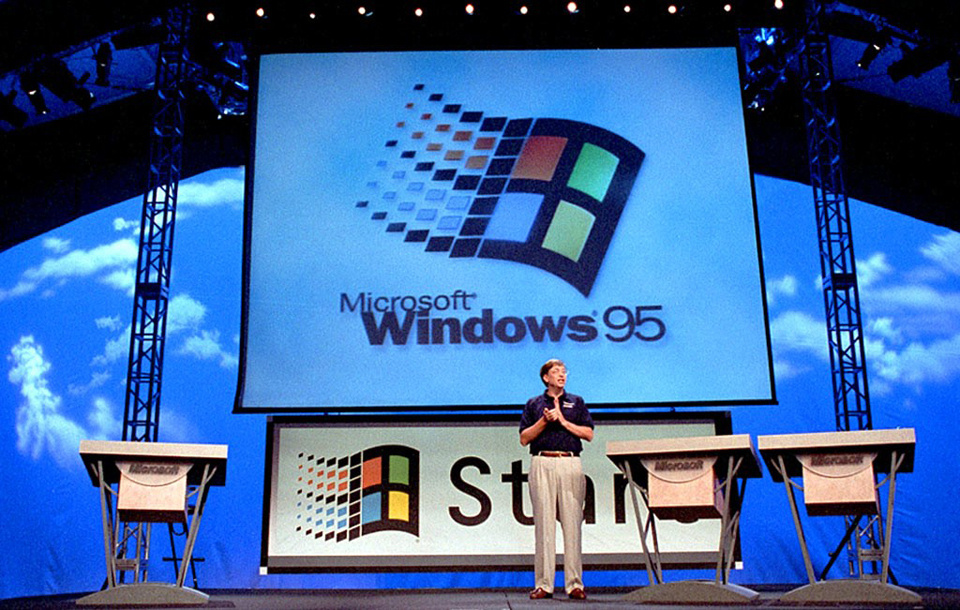
Microsoft aligned this concept with Bill Gates’ well-known idea that “a lazy person will find the easiest way to do difficult tasks,” framing Copilot+ PCs as tools designed to support smarter workflows rather than harder work.
AI Positioned as Everyday Assistance
The campaign demonstrated Copilot+ PC features through a “Day in the Life” narrative format, showing how AI tools supported tasks such as translation, file retrieval, memory recall, and content assistance.
Instead of emphasizing technical specifications, Microsoft focused on lived experience, presenting AI as a seamless productivity layer embedded into daily routines.
Social-First Distribution Strategy
The campaign launched initially through social media engagement before expanding into a broader multi-channel rollout. It later extended across digital, influencer, earned, and traditional media formats, ensuring sustained visibility across platforms.
This structure reflected a shift in Microsoft’s marketing approach toward socially driven storytelling that began with organic engagement rather than top-down advertising.
Framing AI as a Productivity Shift
At its core, the campaign positioned Copilot+ PCs as part of a broader transformation in how people worked. AI was framed as an enabler of efficiency, allowing users to complete tasks faster, automate routine processes, and optimize daily workflows.
Through Jane Lu’s persona and narrative, Microsoft reinforced the idea that productivity in the AI era depended less on effort and more on intelligent system use.
Source: polster outube
Written with AI assistance, edited by a human. Find out more about our Use of AI.