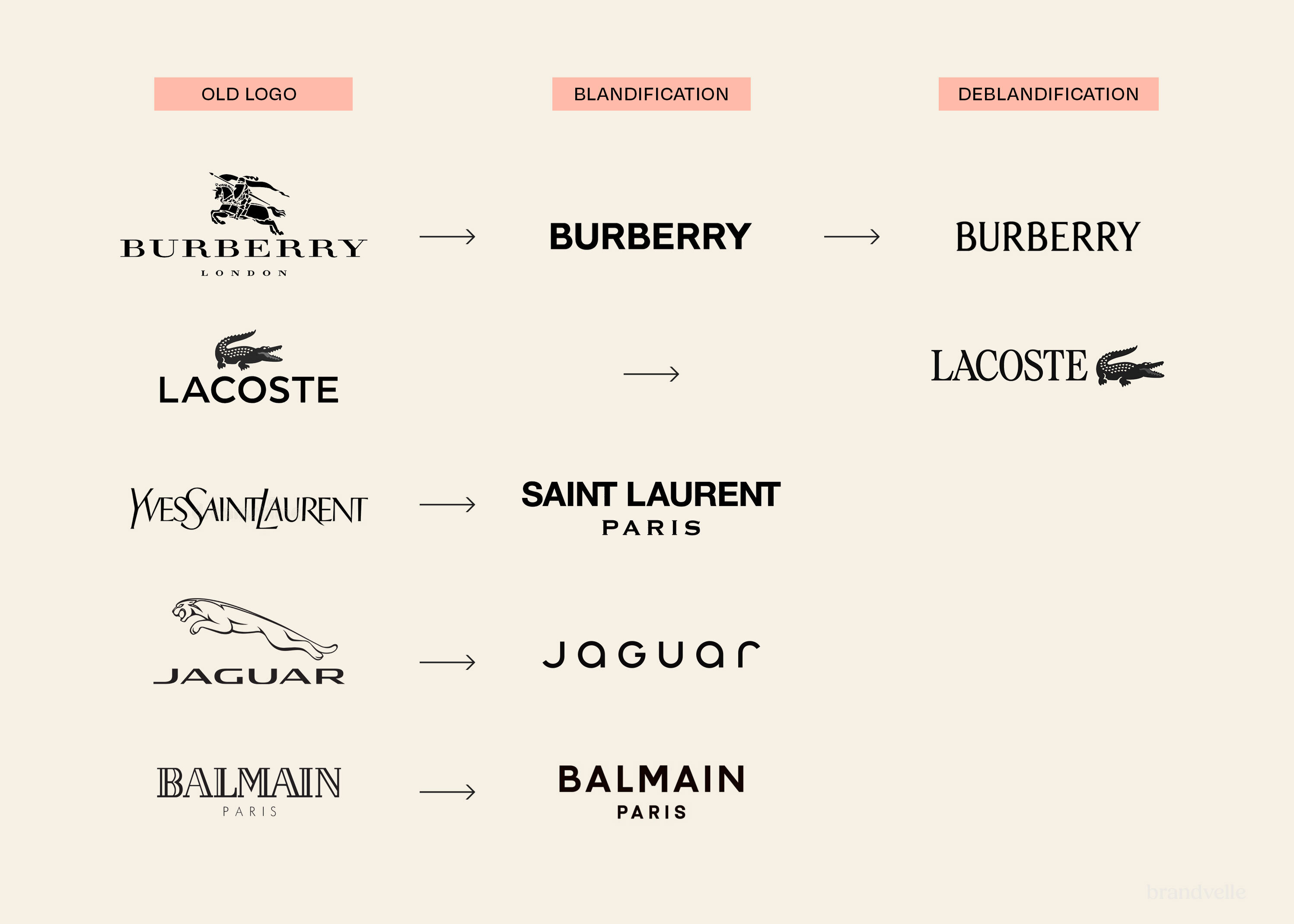
Founded by tennis champion René Lacoste in 1933, the Maison fuses sportswear heritage with French elegance and is known worldwide for the embroidered …
15 Articles
Founded by James Jebbia on Lafayette Street in April 1994 as a skate shop, Supreme defined the modern streetwear category through a tightly controlled…
11 ArticlesA skate-shop crossover for the crocodile
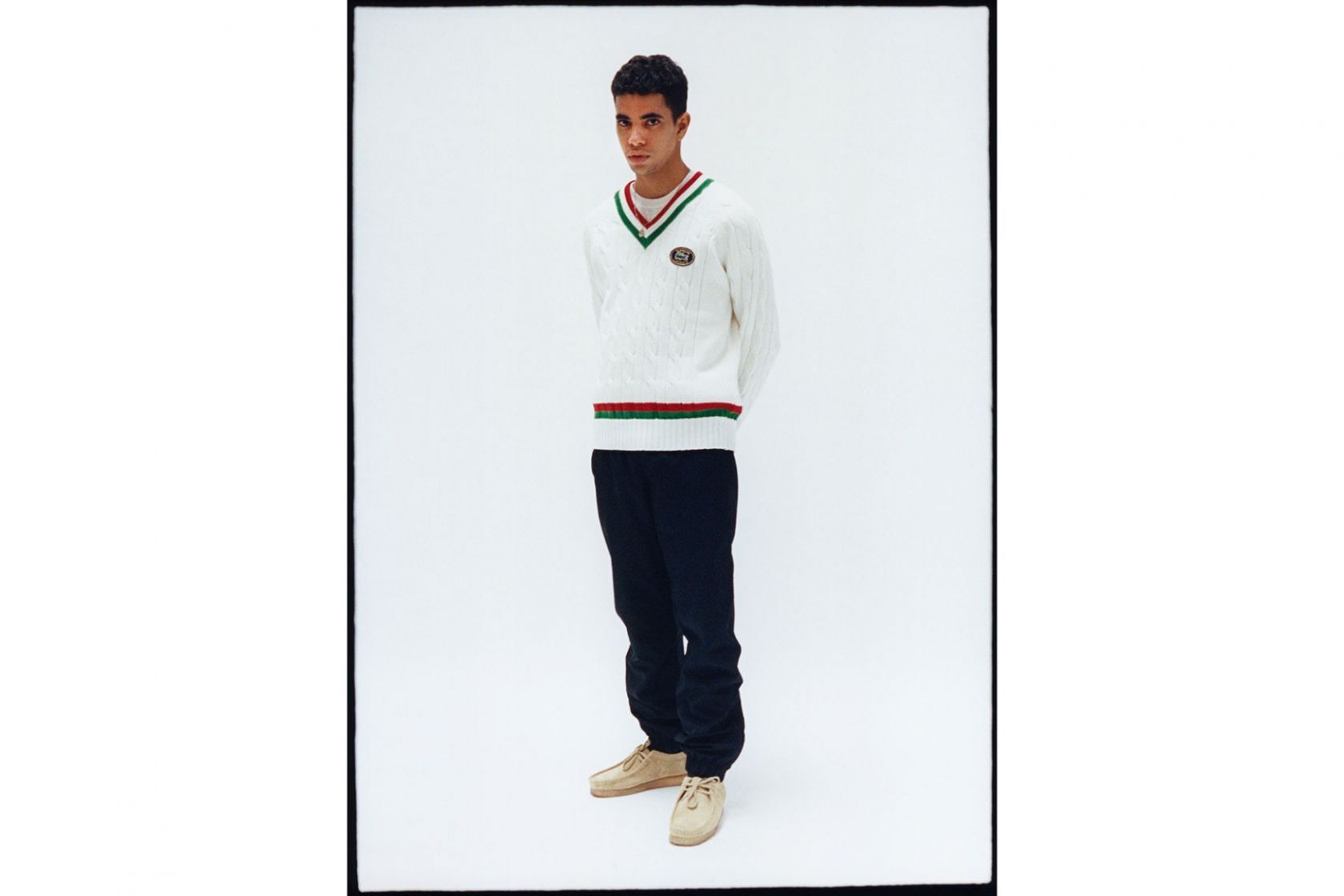
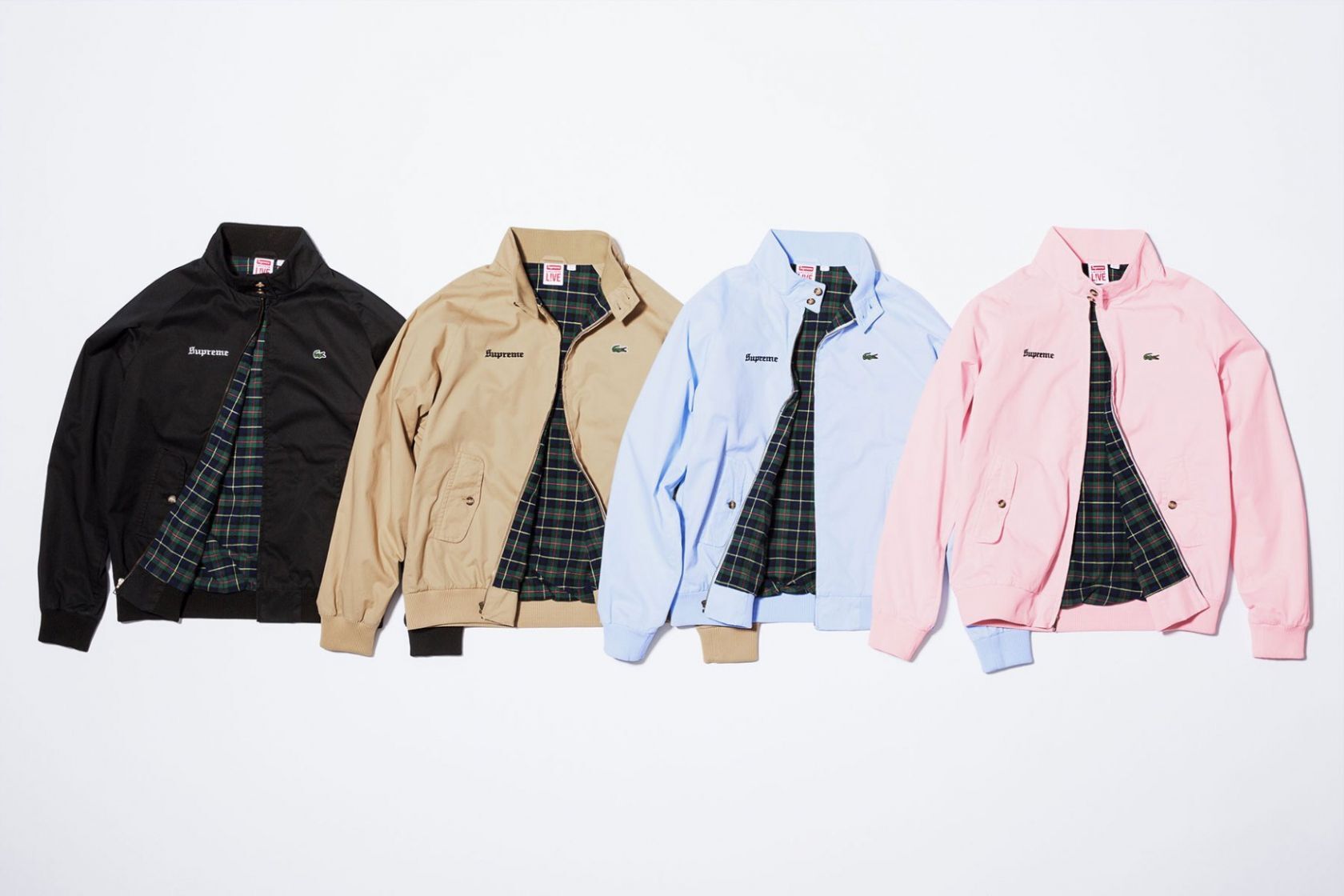
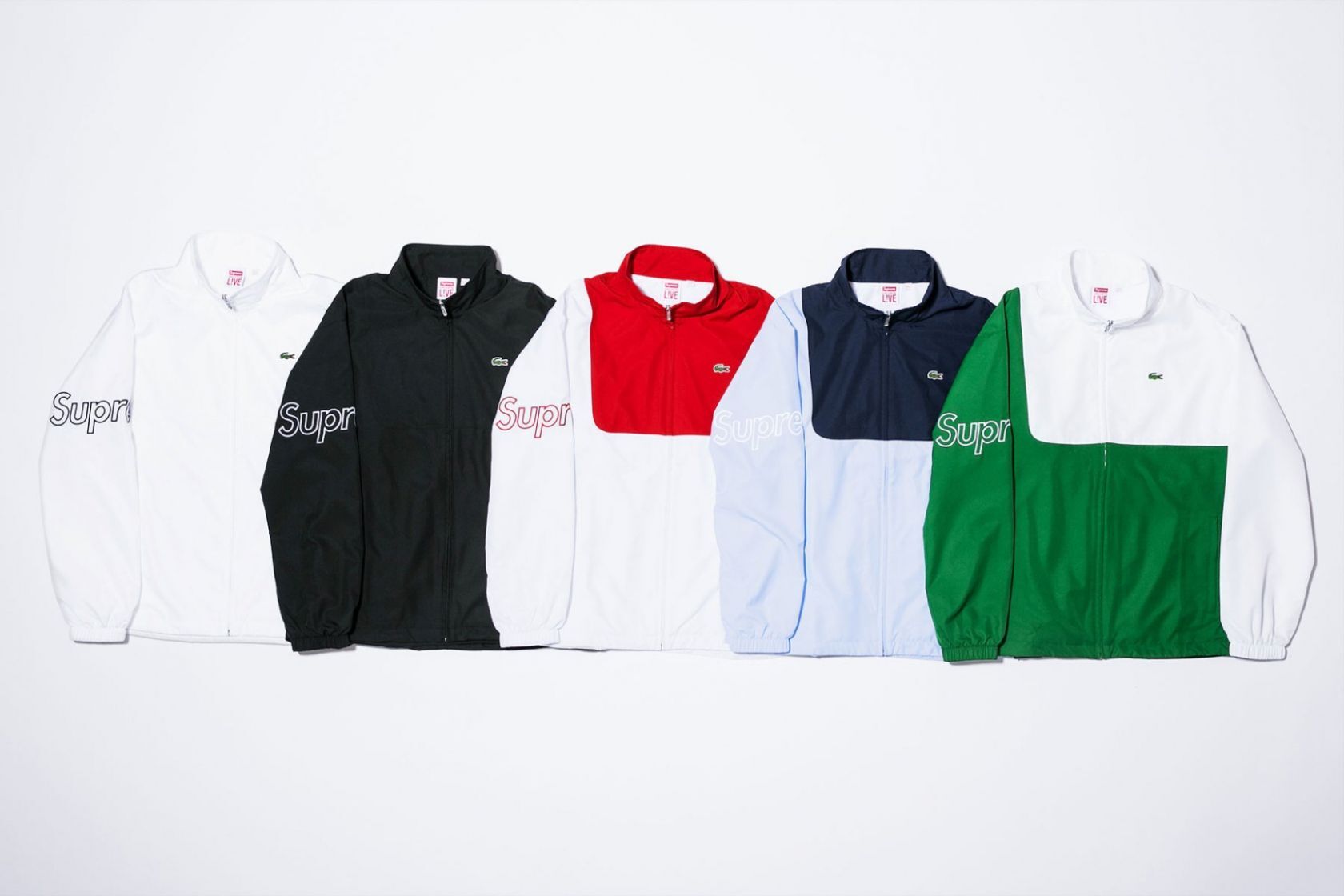
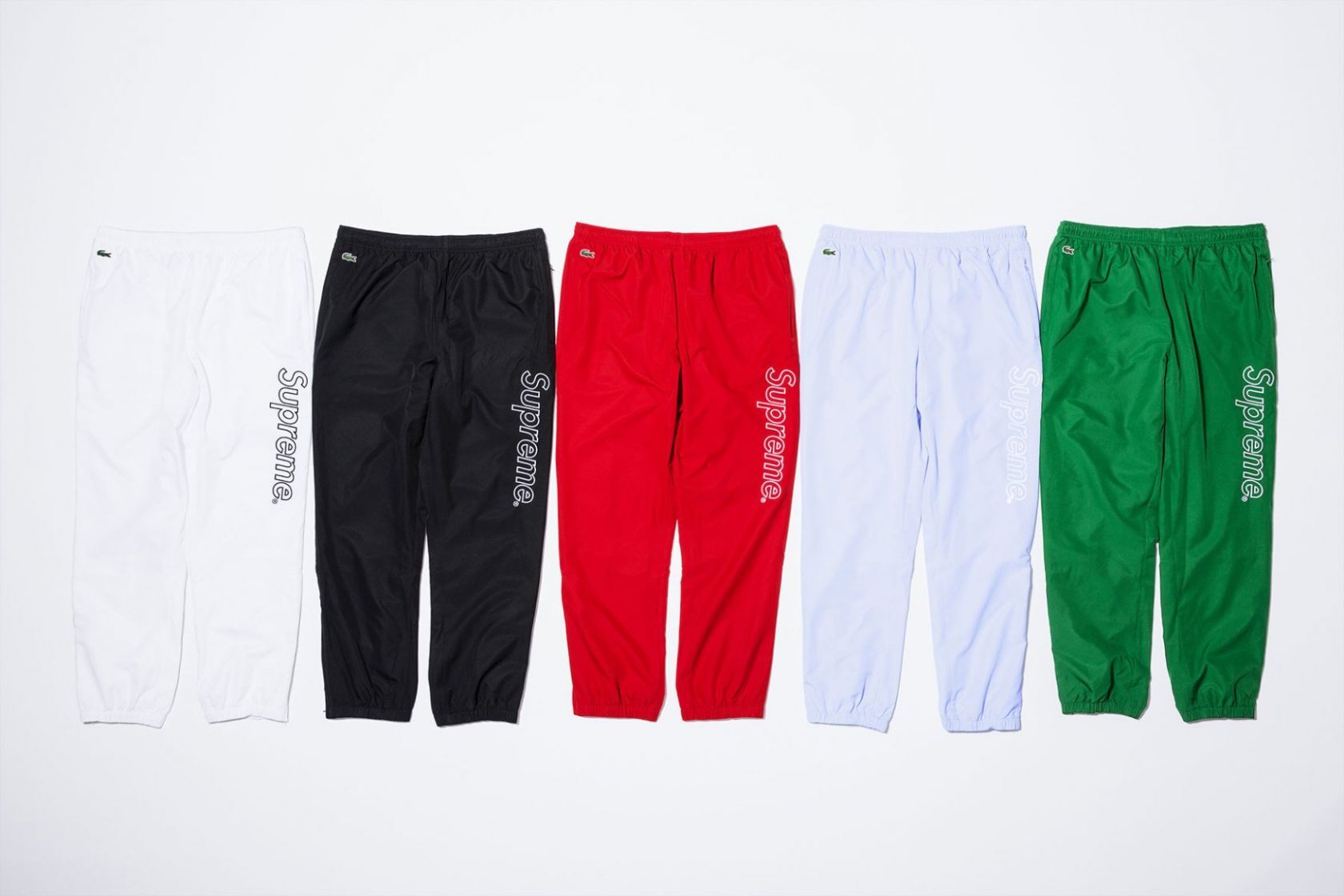
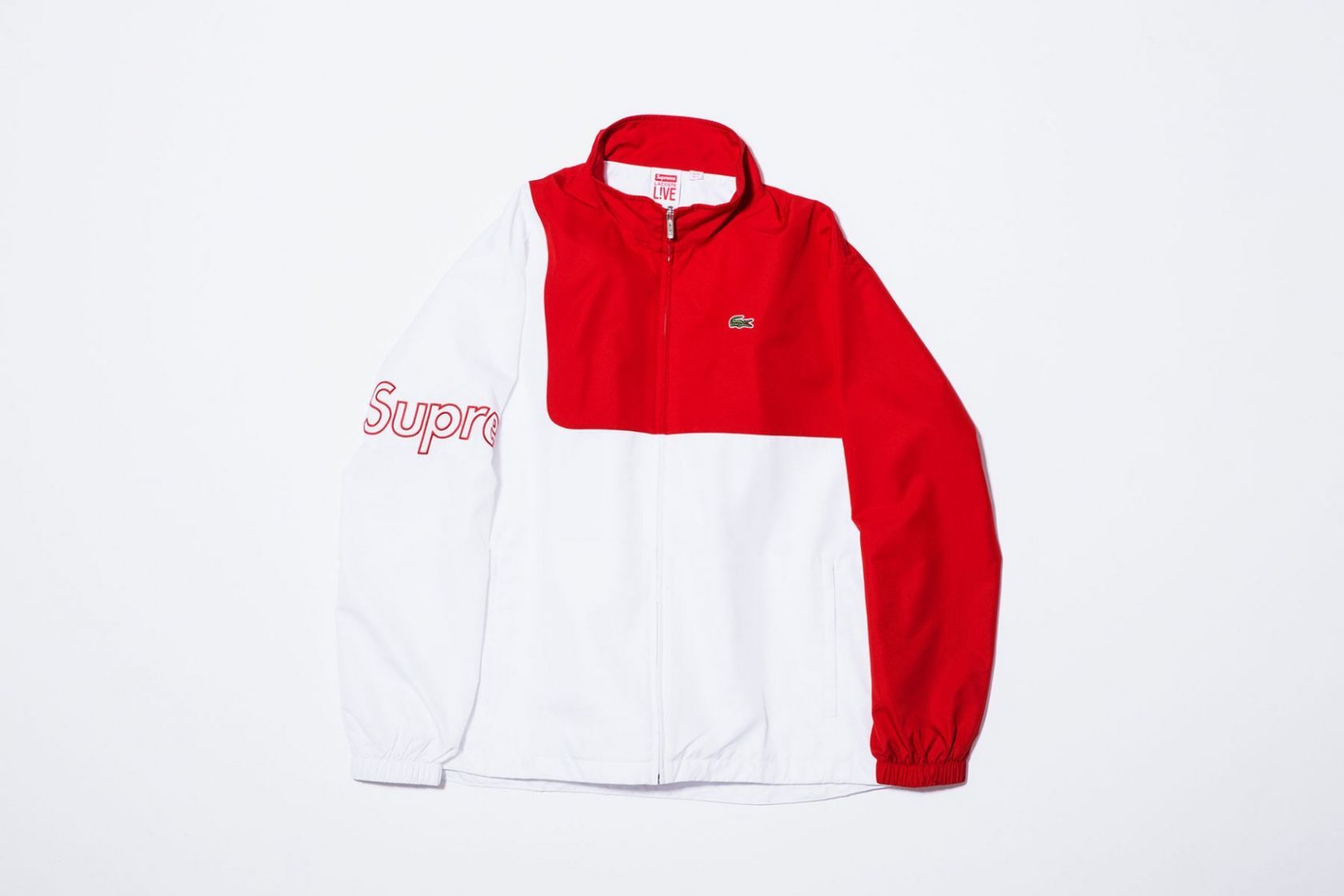
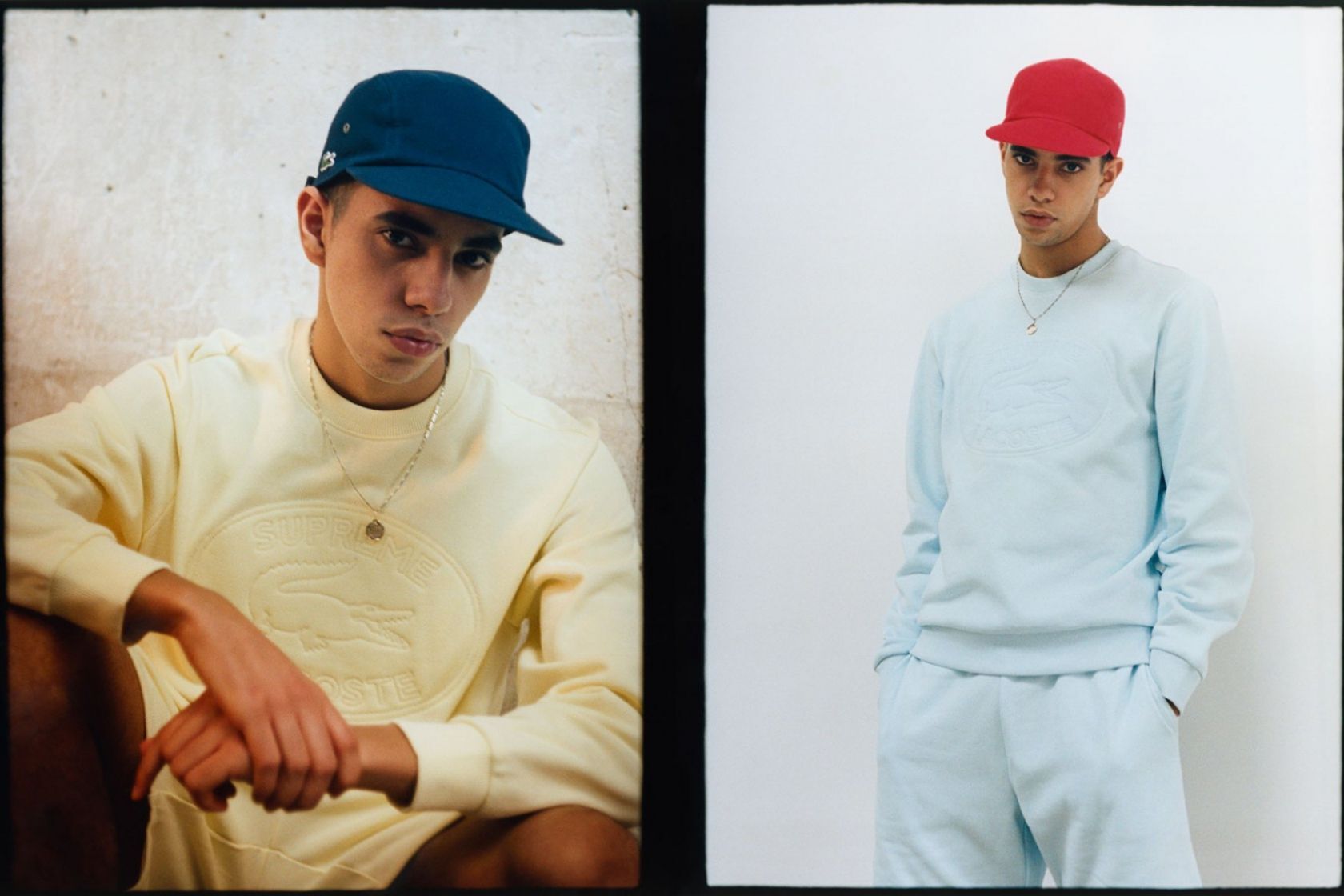
On 16 March 2017 Lacoste and Supreme released a co-branded Spring/Summer 2017 capsule from the four flagship Supreme stores in New York, Los Angeles, London and Paris, with a Tokyo release on 18 March. The collection ran across track jackets, Harrington jackets, tennis sweaters, piqué crewnecks, long-sleeve jersey polos, track pants, piqué shorts and a piqué camp cap, all in pastel colours offset by Supreme red. Each piece carried a co-signed identity that placed the embroidered Lacoste crocodile alongside the Supreme box logo, in a register that read both as classic tennis-club uniform and as a New York skate-shop drop.
The collaboration was the first formal product partnership between Supreme and Lacoste, and it generated unusual anticipation in the days before launch. Resale activity began on the morning of 16 March, queues formed outside the Supreme stores in advance of opening, and most pieces sold out within hours, both at retail and online. The capsule's pricing sat at a premium against either brand's regular ranges, and the secondary-market mark-up reached three to five times the retail figure for the headline items by the end of the first weekend.
Two design grammars in one capsule
The collection was developed under Lacoste's then creative director Felipe Oliveira Baptista, who had led the Maison since 2010 and who left the role in 2018, and through Supreme's in-house design team based in New York. Lacoste contributed the piqué knit, the polo silhouette and the embroidered crocodile, while Supreme contributed the box logo, the colour discipline and the cropped fits associated with skate culture in the late 2010s. The capsule was assembled by translating the codes of one brand into the cuts of the other rather than by overlaying graphics on neutral product, which gave the line a designed coherence that fashion-streetwear collaborations of the period rarely achieved.
The track jacket and the Harrington jacket served as the headline pieces. Both carried a Supreme box logo on the right chest and a Lacoste crocodile on the left chest, in a layout that read as a peer endorsement rather than as a hierarchy of brand authority. The piqué polo and the long-sleeve jersey polo retained the L.12.12 collar architecture, with the box logo printed at the back rather than at the chest, allowing the original Lacoste silhouette to remain legible from the front. The tennis sweater quoted the Maison's archive sweaters in white piqué knit with green and red trim, and added the Supreme wordmark across the chest in a serif type that referenced both brands' visual heritage.
The retail and resale story
Distribution was deliberately limited. Supreme's four physical stores and its website were the only channels for the capsule, and Lacoste's own retail and wholesale networks did not stock the collection. That decision concentrated demand in a small number of locations and reinforced the cultural value of the drop, in line with Supreme's standing model since the late 1990s. The launch followed Supreme's standard Thursday release schedule, with the New York, Los Angeles, London and Paris drops opening at 11:00 local time and the Japan release the following Saturday.
The cultural reception was substantial. Hypebeast, Complex and Refinery29 covered the launch through dedicated lookbooks and unboxings, and the collaboration was widely framed as a watershed moment for Lacoste's relationship with streetwear. For Supreme, the collaboration extended a sequence of partnerships with sportswear and luxury houses that had run since the 2010s, including the headline Louis Vuitton x Supreme collaboration of late 2016 and 2017, and it signalled that the brand's collaborative remit was widening from skate and workwear to mainstream sportswear heritage labels.
What the capsule reset for Lacoste
The Lacoste x Supreme capsule arrived at a critical moment in the Maison's modern history. The relaunch under "Life is a beautiful sport" had repositioned the brand around tenacity and elegance in 2014, and the Felipe Oliveira Baptista runway collections had reintroduced the Lacoste archive to international fashion press through 2015 and 2016. The Supreme partnership added a third register to that work. It signalled that Lacoste was prepared to allow its codes to be edited by an outside design language, on the conditions of the collaborator rather than the Maison, and it placed the crocodile within a New York streetwear hierarchy that reaches a younger audience than the brand's own retail network had typically served.
The capsule also reset Lacoste's collaborative ambition. Earlier partnerships with Christophe Lemaire and Felipe Oliveira Baptista had been internal to the fashion industry, and projects with sport ambassadors and tennis tournaments had operated within the brand's familiar tennis-club world. The Supreme collaboration crossed all three perimeters at once, by working with a culture brand from outside fashion, by accepting a co-equal visual language on the product and by routing distribution through someone else's stores. The principles that flowed from that decision shaped Lacoste's later collaborative slate, including the Polaroid capsule of 2019, the Lacoste and Minecraft drop of 2022 and the limited-edition GOAT capsule for Novak Djokovic in 2025, each of which extended the same logic into a new cultural territory.

Written with AI assistance, edited by a human. Find out more about our Use of AI.