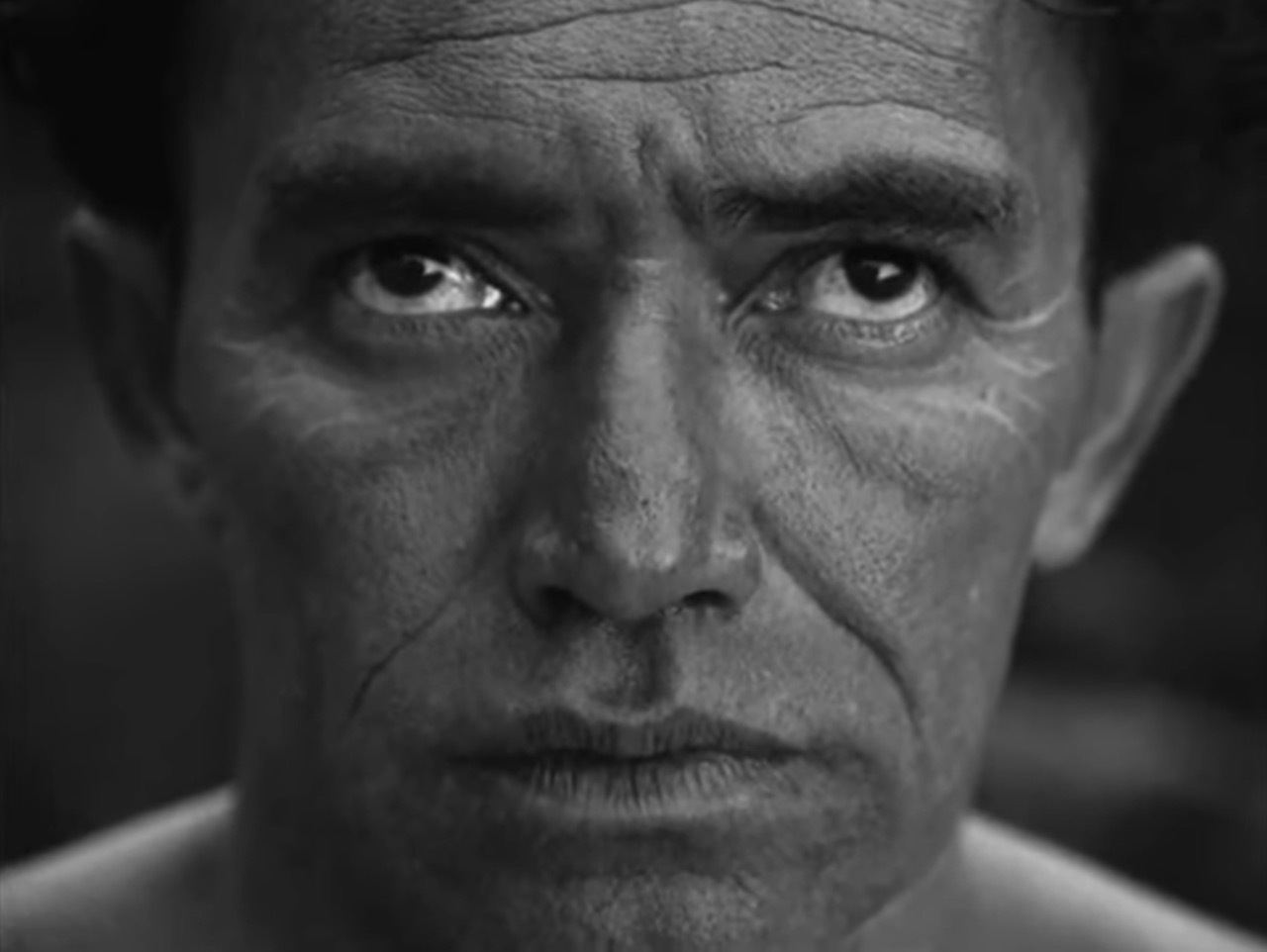
Rather than focusing on traditional advertising themes like sports or nightlife, the brand turned its lens toward a subculture built around style, dignity, and self-expression.1, 2 The campaign was part of Guinness’s broader “Made of More” positioning, which highlights individuals who embody character and resilience in unexpected ways.2, 3
Who are the Sapeurs?
The Sapeurs belong to a fashion-driven movement known as La Sape, a subculture centered in Brazzaville and Kinshasa.4 Its members, often called sapeurs, are known for their extravagant suits, polished shoes, and carefully curated appearance, often worn in contrast to modest or difficult living conditions.2, 4
Despite economic hardship, participants invest heavily in clothing and presentation.4 For them, style is not luxury in the conventional sense, but a form of identity, pride, and self-determination. Dressing well becomes a statement: a way of asserting dignity and individuality in environments where both are often challenged.4
Source: BBDO Youtube
A philosophy of elegance
The Guinness campaign portrayed the Sapeurs not as models or performers, but as individuals living by a personal code of elegance.1 Their style is rooted in discipline, color coordination, and theatrical presence. Every outfit is intentional, and every appearance is a form of expression.
Rather than being superficial, this culture of dress carries social meaning. It reflects a belief that elegance can exist independently of wealth, and that appearance can function as a form of self-respect and even quiet resistance.2, 4
Why Guinness chose them
For Guinness, the Sapeurs fit into a long-standing narrative strategy: highlighting people who embody strength of character in unconventional ways. Instead of depicting traditional success, the brand focused on individuals who define themselves through attitude and persistence.2
The campaign also aligned with Guinness’s global identity, celebrating depth, individuality, and human stories that go beyond surface-level achievement.
Written with AI assistance, edited by a human. Find out more about our Use of AI.
1. Campaign, Ben Bold, "Dignity and poise supercede status for Congo's Sapeurs in Guinness spot", 21 January 2014, for the spot by Abbott Mead Vickers BBDO as the latest TV ad in Guinness's "Made of More" campaign, framed in its headline around dignity and poise over status, showing workers returning from the cane fields who clean up, dress in colourful, stylish clothing and celebrate with their community, and for the Sapeurs in it being a real group of men who gather after work in Brazzaville, the capital of the Republic of Congo, rather than cast performers. https://www.campaignlive.co.uk/article/dignity-poise-supercede-status-congos-sapeurs-guinness-spot/1228070
2. The Drum, "AMV unveils latest Guinness creative", 14 January 2014 (date taken from the URL, the page shows none), for the spot extending the "Made of More" campaign, which it describes as celebrating people of integrity and character, for the Sapeurs as men from Congo-Brazzaville who wear striking suits in stark contrast to their surroundings, for the words of Adrian Rossi, executive creative director at AMV BBDO, that we can "let circumstance define us, or we can defy it", and for Stephen O'Kelly, marketing director, Guinness Western Europe, naming dignity and self-expression as what drew the brand to the group and saying that for the Sapeurs fine clothes stand for peace, integrity and honour; off whitelist and used for corroboration only. https://www.thedrum.com/news/2014/01/14/amv-unveils-latest-guinness-creative
3. SLTN (Scottish Licensed Trade News), "Style takes centre stage in Guinness ad", 13 January 2014, for Diageo unveiling the Sapeurs spot as the next stage of its "Made of More" campaign for Guinness, with Stephen O'Kelly saying "In the spirit of Made of More we wanted to capture the story of a group of men"; off whitelist and used for corroboration only. https://sltn.co.uk/2014/01/13/style-takes-centre-stage-in-guinness-ad/
4. Wikipedia, "La Sape", accessed 8 October 2026, for La Sape, from Société des Ambianceurs et des Personnes Élégantes, as a subculture centred on fashion and elegance that originated in Kinshasa and Brazzaville, for its outward luxury set against modest living conditions and the criticism that members spend too much on clothing, for dress as a way of showing that one exists and deserves respect and of keeping dignity, and for elegant dress described as a form of resistance against social marginalisation. https://en.wikipedia.org/wiki/La_Sape