
A surrealist film for a console launch
On 24 November 2000, Sony Computer Entertainment Europe launched the PlayStation 2 across Europe and Asia. The launch was carried by a 60 second cinema and television film titled The Third Place, directed by David Lynch and produced through TBWA London for Sony Computer Entertainment Europe. The Third Place sat inside a wider campaign platform branded Fun, Anyone?, which extended across press, outdoor, and a separate companion film by Chris Cunningham titled Mental Wealth. The combined campaign was reported at the time as a 20 million US dollar global media commitment, with The Third Place running in more than 20 territories in the weeks around the European launch.
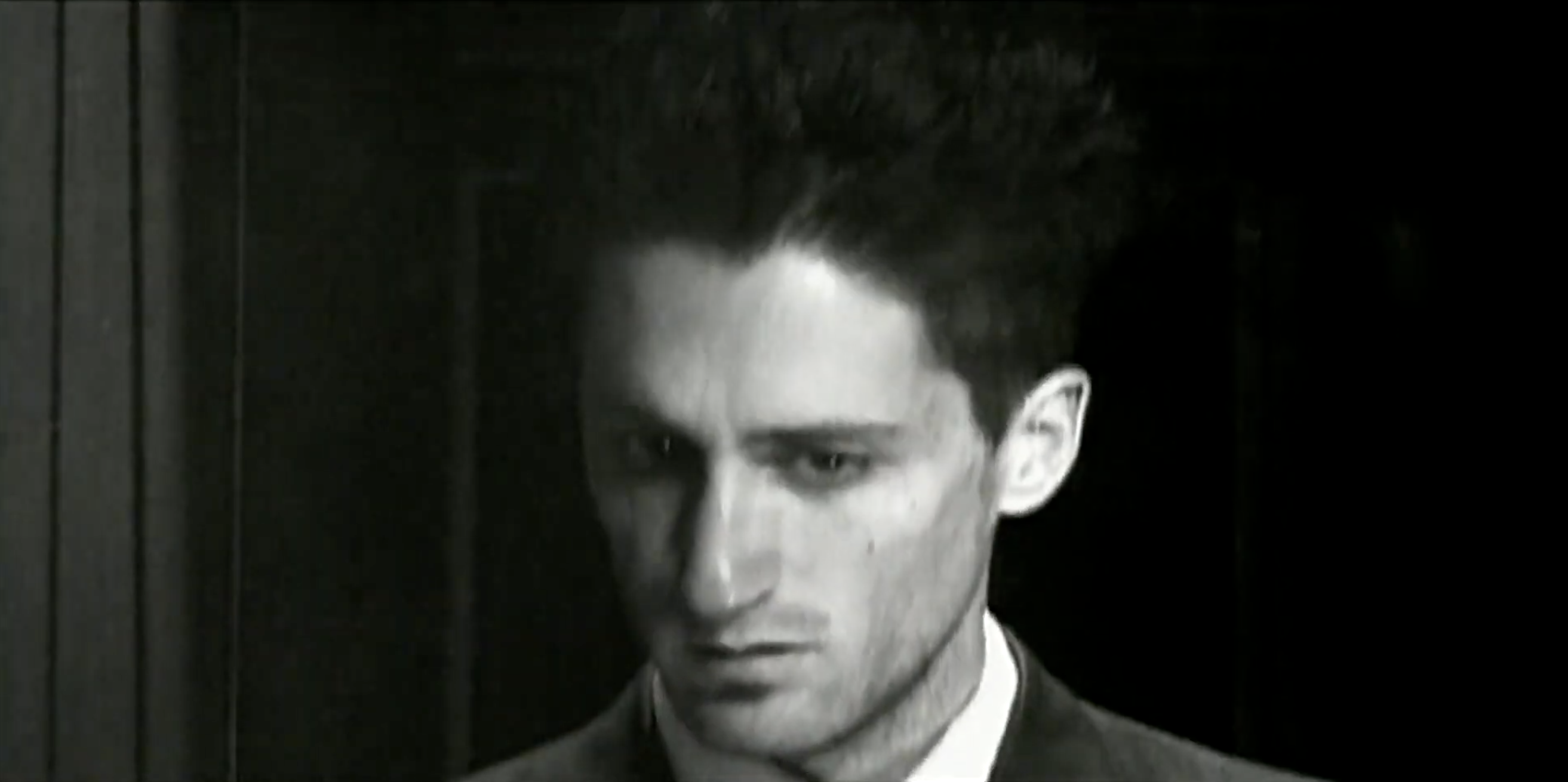
The film opened on a windswept staircase, took the viewer through a series of wordless tableaux populated by impassive figures, and culminated with a duck-headed monarch crowned at the head of an absurdist banquet. No console, no controller, no gameplay footage, and no product narration appeared in the cut. The signature framed the entire 60 seconds as a single proposition: Welcome to the Third Place. The endline asked nothing of the viewer except to register that something other than reality and other than fantasy now existed, and that the PlayStation 2 was its address.
The brief Sony Computer Entertainment Europe set
The PlayStation 2 entered the European market against a strategic problem rather than a competitive one. The original PlayStation had created the home console category in Europe over the second half of the 1990s and had defined an audience that the marketing of competitors had not yet learned to address. Sony Computer Entertainment Europe and TBWA London therefore briefed the launch campaign not as a category fight but as a generation handover. The platform argument was that the original PlayStation had been a place to play, and the PlayStation 2 was a place to be. The specific phrasing used in trade interviews around the launch was that the new console occupied a Third Place between the everyday and the imagined.
This brief produced a creative answer that was unusual for a launch advertisement of the period. Most console marketing of the late 1990s and early 2000s relied on demonstrations of game footage, frame rate claims, and licence-led titles. The Fun, Anyone? platform did the opposite. It withheld every conventional product cue and spent the launch budget on culture, atmosphere, and authorship. The decision was a deliberate continuation of the platform set by Double Life in 1999 for the original PlayStation, which had also avoided gameplay imagery and had also been built by TBWA London.
Why David Lynch was the choice
The choice of David Lynch as director was central to the platform's authority. By 2000, Lynch had built a body of work in television and film that was synonymous with the surface texture the campaign wanted to achieve. The visual grammar of Twin Peaks, Lost Highway, and Mulholland Drive offered exactly the dreamlike misalignment of objects, figures, and time that the Third Place needed in order to read as a separate plane. Lynch was also a director who treated commercial commissions as part of his artistic output rather than as a sideline, which made the production a co-authorship rather than a service relationship.
The companion film, Mental Wealth, was directed by Chris Cunningham, the music video director associated with Aphex Twin and Bjork. The pairing of Lynch and Cunningham inside a single platform signalled that the PlayStation 2 marketing budget was being treated as a cultural project rather than a product launch. The Fun, Anyone? campaign therefore arrived in the press with the expectation of a film festival rather than a games industry release.
How the work read against the category
Trade reviews at launch and award juries in the following year treated The Third Place as a high point of the late TBWA London era. The film was nominated and recognised across the British and European awards circuit during 2001 and entered the long memory of the games marketing category as one of the canonical PlayStation films alongside Double Life. Audience reaction was divided in the opposite direction. The film polarised European viewers, with broad press coverage devoted to confused reactions, and Sony Computer Entertainment Europe used that confusion as part of the PR rollout rather than as a problem to defuse.
The strategic effect of the work was to consolidate the European audience that the original PlayStation had built. By choosing not to compete on specifications, the launch refused to enter a value comparison with future Microsoft and Nintendo entries. By choosing to build a platform line rather than a tagline, the campaign set up a vocabulary that subsequent PS2 work could extend without resetting.
What the launch continues to model
The Third Place is a useful reference for any brand operating in a category where product specifications dominate the conversation. It demonstrated that a launch advertisement can refuse the entire vocabulary of the category and still anchor a successful product cycle. It demonstrated that authorship matters as a brand signal, and that the choice of director can carry as much positioning weight as the choice of endline. It also demonstrated, twice in two years, that PlayStation marketing under TBWA London worked best when it placed the player inside an imagined second world and let the hardware recede behind it. The pattern set in 1999 with Double Life and continued in 2000 with The Third Place would shape the next two generations of PlayStation work.
Source: PlayStation Europe Youtube
Written with AI assistance, edited by a human. Find out more about our Use of AI.