
A tavern full of characters and a single absent host
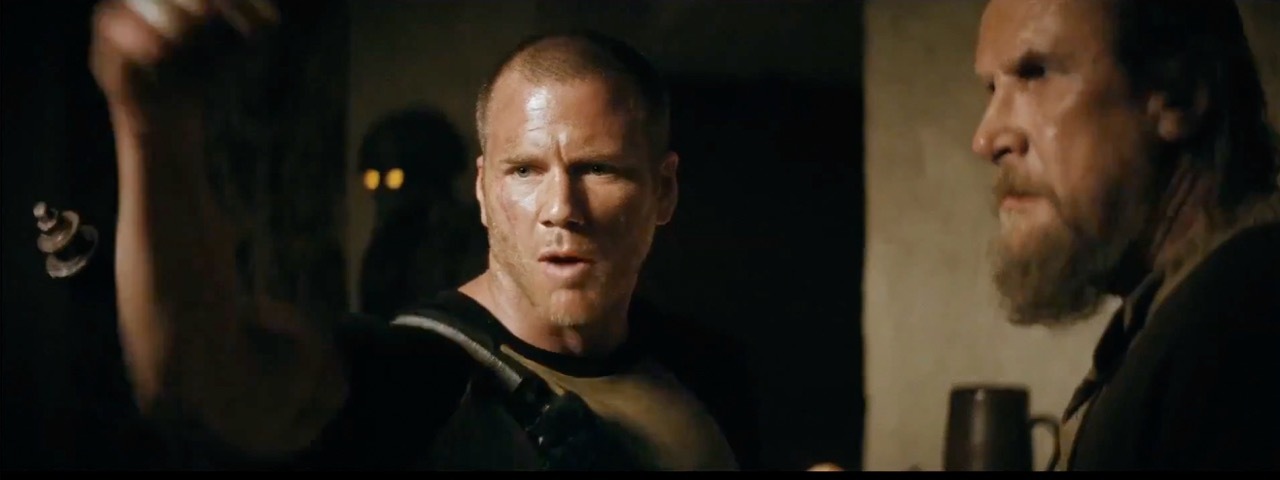
On 5 October 2011, Sony Computer Entertainment America premiered Michael, a two minute film inside the Long Live Play campaign. The work was developed by TBWA Chiat Day Los Angeles, which had held the PlayStation business in North America since the PS2 era, and was directed by the production team at Bigfoot Entertainment. The spot opened with a slow approach to a candlelit tavern, then revealed an interior gathered with characters from across the PlayStation catalogue. Drake from Uncharted, Cole from inFamous, Kratos from God of War, Sackboy from LittleBigPlanet, Sweet Tooth from Twisted Metal, Solid Snake, Ezio Auditore, the Helghast from Killzone, Sephiroth, and dozens of further franchise figures stood shoulder to shoulder.
Each character spoke in turn. Each addressed a single name. Each line of dialogue thanked the same individual for what he had done. The film closed with a portrait reveal. The toasted figure was not a character at all. He was Michael, a fictional gamer played by Bradley Steven Perry, presented as the audience surrogate for every PlayStation player who had ever held the controller. The endline named the platform: Long Live Play.
The strategic position the platform answered
By 2011, the PlayStation 3 had been on sale for five years. The console generation had moved through its launch phase and was settling into the late-cycle period in which retention matters more than acquisition. The Xbox 360 had built its installed base aggressively in the early years of the cycle, and Nintendo had carved out a parallel category with the Wii. PlayStation had recovered ground steadily over the same period, but the platform argument needed to acknowledge the long-tenured PS3 audience rather than try to convert new buyers a fifth year into the cycle.
Long Live Play was therefore designed as a thank-you platform rather than a recruitment platform. The phrasing was deliberate. The line celebrated the act of playing rather than the act of buying, and the platform argument was built around the idea that the brand had a debt to its players rather than the other way round. The campaign opened earlier in 2011 with the live consumer programme It Only Does Everything and a series of community films, then moved into the long-form Michael spot in October 2011 to anchor the platform as a single emotional statement.
Who Michael is and why the device worked
Michael Cuthbert was the named protagonist of the film. He did not appear on screen until the final frame, where his portrait, a still photograph of a young man in a chair holding a DualShock controller, was lit in the tavern at the position the camera had been moving toward throughout the cut. The reveal was delayed past the point at which most viewers expected it. The structural device of the spot was that the audience kept assuming that the next character to speak would be Michael, only to discover that every speaking character in the film was in fact a guest at his celebration.
The reveal worked because the narrative grammar of the spot promised one kind of pay-off and delivered another. Players expected to see a hero arrive. The film instead handed the hero role to the off-screen player. The audience surrogate device was old, but its execution inside a two minute long film, with dozens of speaking-line cameos from rights-cleared characters across multiple publishers, was unprecedented in the games marketing category at that scale. Trade reporting at the time placed the rights-clearance work alone as one of the most complex parts of the production.
The clearance work and the cameos
Long Live Play required the participation of multiple third-party publishers in addition to Sony's own first-party studios. Square Enix permitted the Sephiroth appearance, Konami contributed Solid Snake, Ubisoft permitted Ezio Auditore, and the wider cast of supporting characters drew on a long list of partner studios. The willingness of those publishers to lend their characters to a Sony platform film was itself a positioning statement. PlayStation could legitimately claim, through the cast of the film, that the platform had become the canonical home for a certain kind of cinematic, narrative-led game across publisher lines. The agency credit list and the ad industry coverage of the spot through the autumn of 2011 framed the cameos in exactly that language.
Michael ran on television, in cinemas, on YouTube, and as a centrepiece of the platform's wider community programmes through the holiday quarter. Audience reaction was strong, and the film entered the late-2011 and 2012 awards circuits in North America. The campaign was widely cited inside trade press at the time as one of the strongest PlayStation films since Greatness Awaits had been launched eleven months earlier in the late 2010 trade calendar.
What the film continues to model
Michael is a useful reference for any brand asking how to address a long-tenured audience without losing newness. It demonstrated that a platform argument can be built around gratitude rather than acquisition, and that a film can put the audience itself in the protagonist seat by withholding the protagonist from the visible cast. It demonstrated that a console platform can act as a host across publisher lines, and that the right rights-clearance work, when assembled into a single cut, becomes a positioning statement in itself. It also demonstrated, in line with the longer PlayStation pattern that began with Double Life, that the strongest PlayStation marketing keeps the player at the centre of the frame even when the player is, technically, not on screen at all.
Source: Adrenalyze Youtube
Written with AI assistance, edited by a human. Find out more about our Use of AI.