A Brand in Decline Before the Breakthrough
In the early 1980s, Levi Strauss & Co. faced a serious decline in both relevance and sales.1 Denim had lost its cultural appeal, and younger audiences no longer associated jeans with style or identity. The 501 model, once the brand’s core product, had been particularly affected by this downturn.1 Previous campaigns had succeeded in rebuilding brand awareness and credibility, but they had failed to translate that renewed image into actual sales.1
Insight-Driven Strategy and Cultural Positioning
To address this gap, Levi’s and its agency BBH turned to emerging market research methods to better understand consumer motivations.1 The findings revealed that customers were not just looking for clothing, but for a sense of identity and self-expression.1 The strategy shifted accordingly. Instead of focusing only on product features, the campaign emphasized the emotional and cultural meaning of the 501 jean, reconnecting it with ideas of originality and individuality.1
The “Launderette” Moment
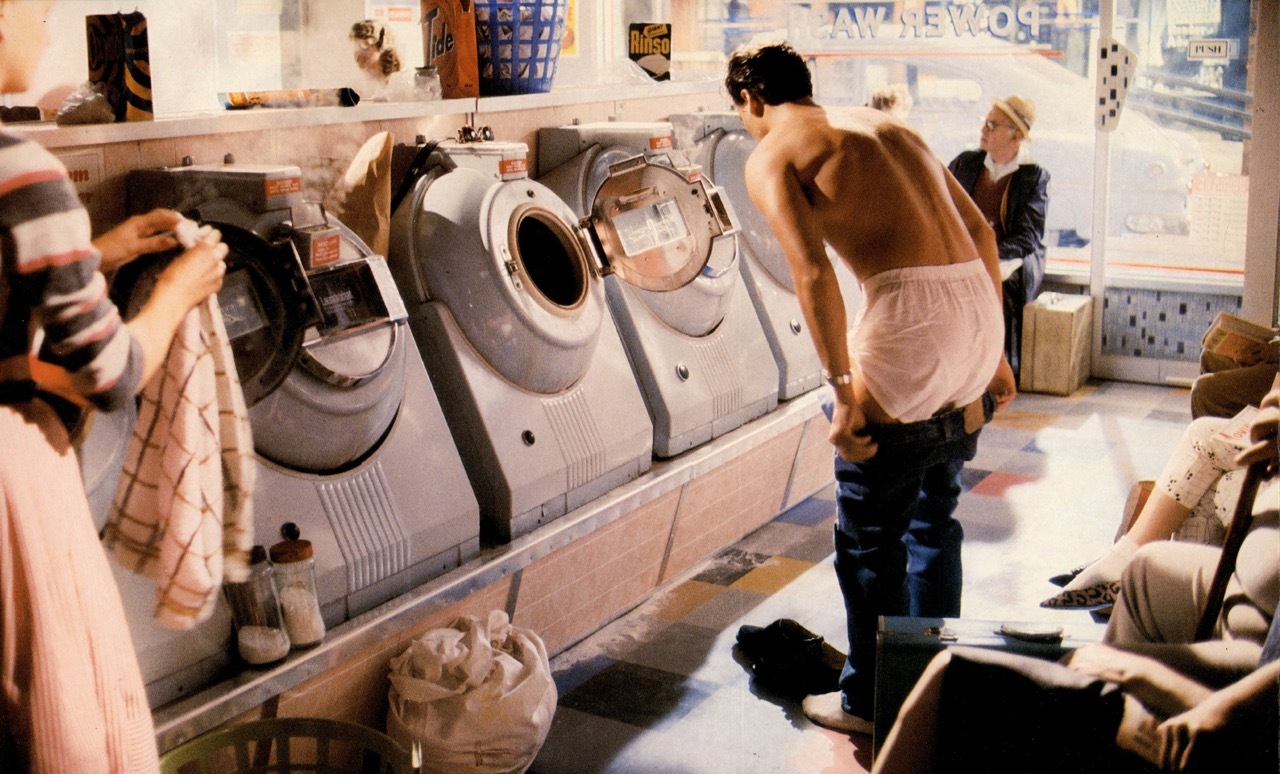
The resulting advertisement, launched in the UK in 1985, featured a young man confidently stripping down to his boxer shorts in a public laundromat while washing his jeans.1, 2, 3 The scene combined nostalgia, music, and bold visual storytelling to create a striking and memorable moment.2 The ad showcased the product’s distinctive features, including its fit and button fly, while simultaneously presenting the wearer as confident, independent, and unapologetic.1
Immediate Impact on Sales and Culture
The campaign’s effect was immediate and dramatic. Sales of Levi’s 501 jeans increased by 800%, reaching levels where demand exceeded supply.1, 2 Beyond sales, the campaign influenced broader culture. The music featured in the ad re-entered the charts, and the visual style helped redefine masculinity and fashion advertising.3, 4 It also contributed to a renewed perception of denim as relevant, youthful, and desirable.
Restoring Market Leadership
By the end of the decade, Levi’s had regained its position as a leading brand in the denim market.1 The campaign demonstrated how advertising grounded in cultural insight could not only rebuild brand image but also directly drive commercial success. “Launderette” became a defining example of how a single campaign could reshape both a product’s trajectory and an entire category, turning a declining market into a renewed cultural force.
Source: Marcel Visser Youtube
Written with AI assistance, edited by a human. Find out more about our Use of AI.
1. Marketing Week, Russell Parsons, "‘It was a piece of magic’: How Levi’s ‘Laundrette’ ad led to an 800% sales boost", 15 May 2019, off whitelist (UK marketing trade title) and the only source found for the earlier campaigns and the research, for Levi’s and the jeans category being in crisis when BBH took the account in 1982, the 501 having suffered more than any other product in the portfolio, the three earlier campaigns that elevated brand equity but hardly sold jeans, the then new market research technique Levi’s adopted and its finding of a desire for identity, the positioning around originality, the launch in the UK on Boxing Day 1985 with Nick Kamen stripped to his boxer shorts in a launderette, the button fly and silhouette shown in the ad, 501 sales rising 800% to a point where demand outstripped supply, and Levi’s being number one again by the end of the 1980s. https://www.marketingweek.com/levis-laundrette-sales-boost/
2. Levi Strauss & Co., Tracey Panek, "How Levi’s® Laundrette Ad Reignited the 501®", 19 November 2020, for the ad by BBH airing on UK television on Boxing Day 1985, Nick Kamen stripping to his boxers in a laundromat and putting his 501 jeans into a washer, the late 1950s or early 1960s small town American setting and Marvin Gaye’s "I Heard It Through the Grapevine" as its soundtrack, and the 800% sales rise, which the company gives as "according to some estimates". https://www.levistrauss.com/2020/11/19/levis-laundrette-ad-reignited-the-501/
3. Creative Review, Megan Williams, "Beyoncé and Levi’s reinterpret classic Laundrette ad", 1 October 2024, for the 1985 ad having been created by BBH London with Nick Kamen in boxer shorts, and for it having put "I Heard It Through the Grapevine" back in the music charts; the second half of that sentence, on masculinity and fashion advertising, rests on no source found. https://creativereview.co.uk/levis-beyonce-classic-laundrette-1985-ad
4. Wikipedia, "I Heard It Through the Grapevine", accessed 8 October 2026, for Tamla Motown re-releasing Marvin Gaye’s single in the UK after the 1985 "Launderette" commercial, with the Levi’s 501 logo on the sleeve, and the reissue reaching number eight on the UK Singles Chart in 1986. https://en.wikipedia.org/wiki/I_Heard_It_Through_the_Grapevine